



Hydrogenated Polyisobutene: properties, uses, pros, cons, safety
Hydrogenated Polyisobutene is a chemical compound, polyene, with simple hydrocarbon structures and with no functional groups other than alkenes or alkanes, produced by the polymerisation of vinyl monomers such as alkenes or olefin and obtained from the hydrogenation of Polyisobutene. It is a polymeric ingredient using an ethylene unit.
The name defines the structure of the molecule
- "Hydrogenated" signifies that the original compound has undergone a hydrogenation process, wherein double bonds present in the structure have been saturated with hydrogen atoms.
- "Poly" signifies that the molecule is a polymer, meaning a large molecule composed of many repeating units.
- "Isobutene" is a hydrocarbon and an isomer of butene.
Description of raw materials used in production
- Isobutene - A gaseous hydrocarbon that is polymerized to form polyisobutene (PIB).
- Catalyst - For example, aluminum chloride, which facilitates the polymerization of isobutene.
- Hydrogen - Used in the hydrogenation process.
Step-by-step summary of industrial chemical synthesis process.
- Polymerization - Isobutene is exposed to the catalyst under controlled conditions to form polyisobutene (PIB).
- Hydrogenation - PIB undergoes a hydrogenation process to saturate the double bonds and form Hydrogenated Polyisobutene.
- Purification - The product is purified from impurities and catalyst residues through techniques like distillation or filtration.
- Cooling - The Hydrogenated Polyisobutene is cooled and solidified.
- Quality Control - The final product undergoes various quality checks to ensure it meets specifications.
It appears as colourless liquid.
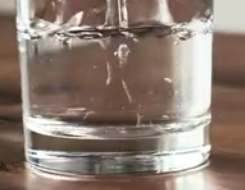
Insoluble in organic solvents or water, soluble only in special organic solvents.
What it is used for and where
Cosmetics
Skin conditioning agent. It is the mainstay of topical skin treatment as it has the function of restoring, increasing or improving skin tolerance to external factors, including melanocyte tolerance. The most important function of the conditioning agent is to prevent skin dehydration, but the subject is rather complex and involves emollients and humectants that can be added in the formulation.
Skin conditioning agent - Emollient. Emollients have the characteristic of enhancing the skin barrier through a source of exogenous lipids that adhere to the skin, improving barrier properties by filling gaps in intercorneocyte clusters to improve hydration while protecting against inflammation. In practice, they have the ability to create a barrier that prevents transepidermal water loss. Emollients are described as degreasing or refreshing additives that improve the lipid content of the upper layers of the skin by preventing degreasing and drying of the skin. The problem with emollients is that many have a strong lipophilic character and are identified as occlusive ingredients; they are oily and fatty materials that remain on the skin surface and reduce transepidermal water loss. In cosmetics, emollients and moisturisers are often considered synonymous with humectants and occlusives.
Viscosity Enhancing Agent - non acqueous. Since viscosity is important for increasing the chemical and physical stability of the product, Viscosity Enhancing Agent non acqueous is an important dosage factor in gels, suspensions, emulsions, solutions. Increasing viscosity makes formulations less sedimentary and more homogeneously thickened.
A variant of Polyisobutene, the hydrogenated Polyisobutene (HP) is used for topical use in cosmetics as an emollient to moisturize and give a pleasant sensation to the skin (1).
Medical
Polyisobutene is used in transdermal drug-releasing patches (2).
Safety
A 2-year chronic oral toxicity study of polybutene did not reveal macroscopic or microscopic pathological changes, so the CIR group of experts does not believe that these mostly insoluble polymers present any risks in the use and concentration practices described in this safety assessment (3).
CAS 68937-10-0 40921-86-6 61693-08-1

