Uova di gallina (Gallus gallus domesticus)
Alimento naturale costituito da albume (soluzione proteica) e tuorlo (emulsione lipidica ricca di fosfolipidi e carotenoidi) racchiusi in guscio calcareo. Elevata qualità proteica, funzioni tecnologiche versatili (emulsione, schiuma, gelificazione) e profilo micronutrizionale di rilievo (vitamine A, D, E, B12, folati, colina, selenio).
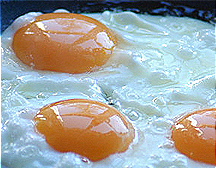
Valore calorico (per 100 g e per uovo medio)
Uovo intero crudo: ~140–155 kcal/100 g; proteine ~12–13 g; grassi ~10–11 g; carboidrati ~1 g.
Uovo medio (M, 53–60 g con guscio): ~70–85 kcal (edibile ~45–50 g).
Albume: ~45–55 kcal/100 g; proteine ~10–11 g; grassi ~0 g.
Tuorlo: ~310–330 kcal/100 g; proteine ~16–17 g; grassi ~27–32 g.
Composizione e micronutrienti (uovo intero, per 100 g)
Acqua ~75 g • Proteine ~12–13 g (alto VB/PDCAAS≈1) • Grassi ~10–11 g • Colesterolo ~370–400 mg (per uovo M ~180–220 mg).
Vitamine: A (retinolo), D, E, K; B12, B2, B5, biotina, folati.
Minerali: Selenio, fosforo, iodio (dipende dall’alimentazione), zinco, ferro (maggiore nel tuorlo).
Fito/zoocomposti: luteina e zeaxantina (colore del tuorlo).
Profilo lipidico (riferito alla frazione grassa del tuorlo)
SFA (saturi): ~31–36% — palmitico (C16:0), stearico (C18:0).
MUFA (monoinsaturi): ~40–45% — oleico (C18:1 n-9).
PUFA (polinsaturi): ~18–22% totali
n-6 (linoleico C18:2, arachidonico C20:4) ~14–18%
n-3 (ALA C18:3, DHA C22:6 1–3%; ↑ nelle uova omega-3).
Fosfolipidi: lecitine (fosfatidilcolina) ~28–32% dei lipidi del tuorlo.
Classificazione commerciale e qualità
Categorie: A fresco (vendita al dettaglio), B (industria). Taglie: S, M, L, XL. Guscio: colore bianco/bruno non influisce sul valore nutrizionale.
Parametri: Haugh Unit (qualità albume), indice tuorlo, camera d’aria (freschezza), pH albume (~7,6 fresco → ↑ con l’età), pulizia guscio.
Proprietà tecnologiche
Emulsionanti (tuorlo/lecitine) → maionese, salse.
Schiumogene (proteine dell’albume) → meringa, soufflé.
Gelificanti/coagulanti → creme, flan, pastificati.
Coloranti e sapore (carotenoidi/composti del tuorlo).
Impieghi alimentari
Uova intere per omelette, impanature, prodotti da forno; albume per schiume leggere e prodotti high-protein; tuorlo per salse/emulsioni, pasta fresca, pasticceria. Prodotti pastorizzati (liquidi, surgelati, polveri) per applicazioni industriali e ricette a freddo.
Sicurezza alimentare
Rischio principale: Salmonella da guscio/contenuto.
Uso a crudo (es. maionese, tiramisù): impiegare uova pastorizzate.
Cotture interne: albume coagulato e tuorlo denso; per preparazioni ripiene/derivati, raggiungere ≥72 °C al cuore.
Igiene: evitare cross-contamination, lavare mani/attrezzi; non lavare le uova domestiche (può favorire ingressi microbici).
Conservazione e shelf-life
Conservare a 0–5 °C, punta in giù, nella confezione originale; evitare sbalzi termici e odori forti (guscio poroso). Data di consumo consigliata sulle confezioni. Uova sode: refrigerare e consumare entro 3–7 giorni. Prodotti pastorizzati: seguire etichetta; polvere d’uovo stabile se asciutta e al buio. Applicare FIFO.
Nutrizione e salute
Uovo = proteine complete, colina (membrane/cervello), vitamina D e B12; luteina/zeaxantina (funzione visiva). Il contenuto di colesterolo va considerato nel contesto dell’apporto lipidico totale e del profilo SFA/MUFA/PUFA della dieta. Uova arricchite in omega-3 offrono più DHA. (Nessun claim salutistico senza autorizzazione.)
Qualità e specifiche (temi tipici)
Haugh Unit, indice tuorlo, pH, peso e taglia, integrità/pulizia guscio, colore L*a*b* del tuorlo (carotenoidi), microbiologia (assenza di Salmonella), residui entro limiti. Per ovoprodotti: pastorizzazione documentata, aw (polveri), solubilità e schiumabilità/emulsionabilità.
Allergeni e idoneità
L’uovo è tra i 14 allergeni maggiori UE (proteine di albume/tuorlo). Possibile uso di lisozima da uovo (E1105) in alcuni alimenti (es. formaggi duri) → richiede etichettatura. Non idoneo a diete vegane; idoneità religiosa subordinata a certificazioni laddove richieste.
Sostenibilità e filiera
Impatto legato a allevamento (benessere animale, gestione deiezioni), mangimi, trasporti e refrigerazione. Miglioramenti: benessere (allevamenti alternativi), efficienza energetica, riduzione sprechi (uso ovoprodotti), trattamento effluenti su target BOD/COD, pack riciclabili.
Troubleshooting in cucina
Maionese “impazzita” → sbilancio fase/temperatura: aggiungere acqua o tuorlo a filo e montare; lavorare a 20–25 °C.
Meringa che “piange” → zucchero/granulometria o cottura inadeguati: stabilizzare con acido (cremor tartaro/succo di limone) e cuocere a T corretta.
Anello verde sul tuorlo sodo → cottura prolungata/raffreddamento lento (FeS): raffreddare rapidamente in acqua/ghiaccio.
Uova strapazzate secche → T troppo alta: cuocere dolcemente, togliere dal fuoco prima del punto ottimale.
Conclusione
Le uova di gallina combinano elevata qualità proteica, micronutrienti chiave e versatilità tecnologica. Gestione attenta di sicurezza, conservazione e cottura permette di valorizzarne le funzioni emulsionanti, schiumogene e gelificanti in cucina e in industria.
Mini-glossario
SFA/MUFA/PUFA (n-6/n-3) — acidi grassi saturi/monoinsaturi/polinsaturi (famiglie omega-6/omega-3)
HU (Haugh Unit) — indice di qualità dell’albume
VB/PDCAAS — valore biologico/indice di qualità proteica
aw — attività dell’acqua (stabilità delle polveri)
FIFO — first in, first out
BOD/COD — domanda biochimica/chimica di ossigeno (effluenti)
L*a*b* — spazio colore CIELAB (tuorlo/guscio)
Studi
Sull'assunzione di uova di gallina per quanto riguarda il suo impatto sulla salute umana, negli ultimi decenni i pareri sono contrastanti. I dubbi si concentrano sul contenuto di colesterolo e sul suo ruolo potenziale negli esiti cardio-metabolici.
Un uovo di gallina intero o sodo contiene circa 15 microgrammi di selenio e inoltre ferro, Vitamina B2, B12, D, E
Contiene anche luteina, un carotenoide che può essere protettivo contro malattie come la degenerazione maculare legata all'età (1) e colina, un ristrutturatore cellulare e nervoso nonché antinfiammatorio.(2)
Da recenti studi è anche emerso che l'uovo, per il suo contenuto di vitamina D, aiuta a proteggere gli occhi dalla cataratta e da altre malattie degenerative dovute all'invecchiamento.
D'altra parte, le raccomandazioni salutari indicano che il colesterolo alimentare dovrebbe essere limitato a meno di 200 mg al giorno; un singolo tuorlo d'uovo di grandi dimensioni contiene circa 275 mg di colesterolo (3), quindi l'assunzione anche di un solo uovo aumenta il colesterolo LDL, cioè il colesterolo "cattivo".
Il consumo di uova nella popolazione di mezza età ed anziana è stata a lungo discusso nella letteratura scientifica. L'impatto sul sistema cardiovascolare con possibilità di malattie è stato posto sotto osservazione da diversi anni.
Questo studio ritiene però che la quantità di assunzione di uova intere non influisca sul rischio di malattie cardiovascolari (4).
Questo studio, invece, ritiene che un elevato consumo di uova sia significativamente associato ad un maggiore rischio di contrarre malattie cardiovascolari incidentali (5).
Uova studi
Bibliografia_________________________________________________________________
(1) Chung HY, Rasmussen HM, Johnson EJ. Lutein bioavailability is higher from lutein-enriched eggs than from supplements and spinach in men. J Nutr. 2004 Aug;134(8):1887-93. 2004.
Abstract. Lutein may be protective against diseases such as age-related macular degeneration (ARMD). At present, data regarding bioavailability of lutein from various sources are insufficient. Healthy men (n = 10) participated in an intervention study with a crossover design. After a 2-wk washout period during which they consumed a low-carotenoid diet, the men were administered 1 of 4 lutein doses (lutein supplement, lutein ester supplement, spinach, and lutein-enriched egg) for 9 d. All lutein doses provided 6 mg lutein except for the lutein ester dose, which provided 5.5 mg lutein equivalents. Serum samples were collected from fasting subjects on d -14, 1 (baseline), 2, 3, and 10 and analyzed for changes in lutein concentration. Triacylglycerol-rich lipoproteins (TRL) were separated from postprandial blood samples (0-24 h) after the first lutein dose and analyzed for lutein concentration. Subjects completed all 4 treatments of the study in random order. Results from repeated-measures 1-way ANOVA showed that the baseline and dose-adjusted lutein response in serum was significantly higher after egg consumption than after lutein, lutein ester, and spinach consumption on d 10. There was no significant difference in TRL response. In conclusion, the lutein bioavailability from egg is higher than that from other sources such as lutein, lutein ester supplements, and spinach. The lutein bioavailability from lutein, lutein ester supplements, and spinach did not differ. This finding may have implications for dietary recommendations that may decrease the risk of certain diseases, e.g., ARMD.
(2) Zeisel SH. Choline: critical role during fetal development and dietary requirements in adults. Annu Rev Nutr. 2006;26:229-50. 2006.
Abstract. Choline is an essential nutrient needed for the structural integrity and signaling functions of cell membranes; for normal cholinergic neurotransmission; for normal muscle function; for lipid transport from liver; and it is the major source of methyl groups in the diet. Choline is critical during fetal development, when it influences stem cell proliferation and apoptosis, thereby altering brain and spinal cord structure and function and influencing risk for neural tube defects and lifelong memory function. Choline is derived not only from the diet, but from de novo synthesis as well. Though many foods contain choline, there is at least a twofold variation in dietary intake in humans. When deprived of dietary choline, most men and postmenopausal women developed signs of organ dysfunction (fatty liver or muscle damage), while less than half of premenopausal women developed such signs. Aside from gender differences, there is significant variation in the dietary requirement for choline that can be explained by very common genetic polymorphisms.
(3) Spence JD, Jenkins DJ, Davignon J. Dietary cholesterol and egg yolks: not for patients at risk of vascular disease Can J Cardiol. 2010 Nov;26(9):e336-9.
A widespread misconception has been developing among the Canadian public and among physicians. It is increasingly believed that consumption of dietary cholesterol and egg yolks is harmless. There are good reasons for long-standing recommendations that dietary cholesterol should be limited to less than 200 mg/day; a single large egg yolk contains approximately 275 mg of cholesterol (more than a day's worth of cholesterol). Although some studies showed no harm from consumption of eggs in healthy people, this outcome may have been due to lack of power to detect clinically relevant increases in a low-risk population. Moreover, the same studies showed that among participants who became diabetic during observation, consumption of one egg a day doubled their risk compared with less than one egg a week....
(4) Wang MX, Wong CH, Kim JE. Impact of whole egg intake on blood pressure, lipids and lipoproteins in middle-aged and older population: A systematic review and meta-analysis of randomized controlled trials. Nutr Metab Cardiovasc Dis. 2019 Jul;29(7):653-664. doi: 10.1016/j.numecd.2019.04.004.
(5) Zhong VW, Van Horn L, Cornelis MC, Wilkins JT, Ning H, Carnethon MR, Greenland P, Mentz RJ, Tucker KL, Zhao L, Norwood AF, Lloyd-Jones DM, Allen NB. Associations of Dietary Cholesterol or Egg Consumption With Incident Cardiovascular Disease and Mortality. JAMA. 2019 Mar 19;321(11):1081-1095. doi: 10.1001/jama.2019.1572.
Abstract. Importance: Cholesterol is a common nutrient in the human diet and eggs are a major source of dietary cholesterol. Whether dietary cholesterol or egg consumption is associated with cardiovascular disease (CVD) and mortality remains controversial. Objective: To determine the associations of dietary cholesterol or egg consumption with incident CVD and all-cause mortality. Design, setting, and participants: Individual participant data were pooled from 6 prospective US cohorts using data collected between March 25, 1985, and August 31, 2016. Self-reported diet data were harmonized using a standardized protocol. Exposures: Dietary cholesterol (mg/day) or egg consumption (number/day). Main outcomes and measures: Hazard ratio (HR) and absolute risk difference (ARD) over the entire follow-up for incident CVD (composite of fatal and nonfatal coronary heart disease, stroke, heart failure, and other CVD deaths) and all-cause mortality, adjusting for demographic, socioeconomic, and behavioral factors. Results: This analysis included 29 615 participants (mean [SD] age, 51.6 [13.5] years at baseline) of whom 13 299 (44.9%) were men and 9204 (31.1%) were black. During a median follow-up of 17.5 years (interquartile range, 13.0-21.7; maximum, 31.3), there were 5400 incident CVD events and 6132 all-cause deaths. The associations of dietary cholesterol or egg consumption with incident CVD and all-cause mortality were monotonic (all P values for nonlinear terms, .19-.83). Each additional 300 mg of dietary cholesterol consumed per day was significantly associated with higher risk of incident CVD (adjusted HR, 1.17 [95% CI, 1.09-1.26]; adjusted ARD, 3.24% [95% CI, 1.39%-5.08%]) and all-cause mortality (adjusted HR, 1.18 [95% CI, 1.10-1.26]; adjusted ARD, 4.43% [95% CI, 2.51%-6.36%]). Each additional half an egg consumed per day was significantly associated with higher risk of incident CVD (adjusted HR, 1.06 [95% CI, 1.03-1.10]; adjusted ARD, 1.11% [95% CI, 0.32%-1.89%]) and all-cause mortality (adjusted HR, 1.08 [95% CI, 1.04-1.11]; adjusted ARD, 1.93% [95% CI, 1.10%-2.76%]). The associations between egg consumption and incident CVD (adjusted HR, 0.99 [95% CI, 0.93-1.05]; adjusted ARD, -0.47% [95% CI, -1.83% to 0.88%]) and all-cause mortality (adjusted HR, 1.03 [95% CI, 0.97-1.09]; adjusted ARD, 0.71% [95% CI, -0.85% to 2.28%]) were no longer significant after adjusting for dietary cholesterol consumption. Conclusions and relevance: Among US adults, higher consumption of dietary cholesterol or eggs was significantly associated with higher risk of incident CVD and all-cause mortality in a dose-response manner. These results should be considered in the development of dietary guidelines and updates.




