



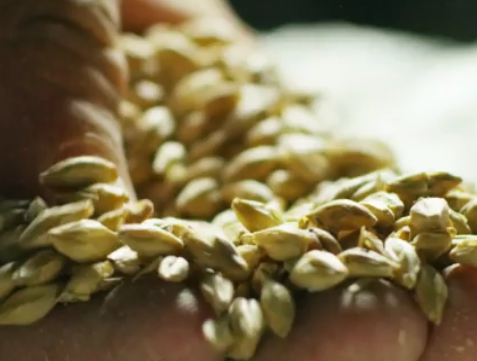
The history of Barley (Hordeum vulgare), a plant belonging to the Poaceae family, is ancient and dates back 10,000 years. Barley is an ancient grain, cultivated for thousands of years and used in a variety of culinary dishes around the world. Rich in nutrients, barley is especially noted for its fiber, protein, and a range of essential vitamins and minerals. Barley can be consumed whole, pearled (with part of the husk removed), or in the form of flakes and flour, making it incredibly versatile in the kitchen. Depending on the variety (e.g. two-row vs six-row barley), the ear may show two or six longitudinal rows of grains. Kernels are elongated, straw-yellow to brownish, and in many types they remain tightly enclosed in adhering hulls (“hulled barley”), which must be removed or abraded (pearling) for human consumption. Barley is widely used in human and animal nutrition, in the production of flours, flakes, pearled barley, malt and brewed beverages, and is a key raw material in beer production.
Botanical classification
Common name: barley
Scientific name: Hordeum vulgare
Family: Poaceae (Gramineae)
Genus: Hordeum
Origin: Near East and Southwest Asia; one of the first domesticated cereal species
Growth habit: annual cereal with erect culms (50–120 cm), more or less compact spike, and variable awns depending on the variety
Cultivation and growing conditions
Climate
Suited to temperate and cool–temperate climates.
More resistant to cold than wheat, but less than rye; also tolerates drought well.
Has a relatively short growth cycle, so it is often chosen where early harvests are needed in crop rotations.
Exposure
Needs full sun for proper tillering and uniform ripening.
In shade it becomes lanky, flowers less and produces less grain.
Soil
Adapts to many soil types, but prefers well-drained, medium-textured, neutral to slightly alkaline soils.
More tolerant than wheat of poor and saline soils.
Does not tolerate prolonged waterlogging, which favours lodging and root diseases.
Irrigation
Normally grown under rainfed conditions, relying on autumn–spring rainfall.
In very dry areas, supplementary irrigation during stem elongation/heading can improve yield.
It is especially sensitive to drought during flowering and grain filling.
Temperature
Germinates well from 3–5 °C, with optimal development around 10–18 °C.
Autumn/winter types require vernalisation (a period of cold) to complete the cycle.
Late frosts during full flowering can reduce spike fertility.
Fertilization
Moderate nutrient requirements.
Needs less nitrogen than wheat; excessive N increases lodging.
Adequate phosphorus and potassium before sowing are important to promote rooting and strong stems.
Its rustic nature makes it suitable for organic and low-input systems.
Crop management
Requires a well-prepared seedbed, fine and level.
Autumn sowing (October–November) is most common; in cold regions, late winter/spring sowing with suitable varieties is possible.
Generally competitive against weeds; mechanical hoeing can be useful in early stages where needed.
Avoid soil compaction, which reduces tillering and root development.
Harvest
Usually harvested from June to July, depending on sowing date and climate.
Harvest is carried out at physiological maturity, when grain moisture is appropriate (avoiding both too-early harvest and losses due to over-drying and shattering).
The grain may be used for human food, animal feed or malting (two-row barley for beer).
Propagation
Propagated exclusively by seed.
Use healthy, certified seed to limit fungal diseases (bunt, helminthosporium, rusts).
Seeding rate varies with soil fertility and sowing date: higher for late sowings.
Indicative nutritional values per 100 g (dry pearled barley)
Energy: ~330–350 kcal
Water: ~10–12 g
Total carbohydrates: ~65–70 g
starch: main fraction
simple sugars: ~1–2 g
Protein: ~10–12 g
Total dietary fibre: ~4–6 g (higher in whole or hulled barley)
Total fat: ~1.5–2 g
SFA (saturated fatty acids): minor fraction
MUFA (monounsaturated fatty acids): small–moderate share (e.g. oleic acid)
PUFA (polyunsaturated fatty acids): relevant share (mainly n-6)
TFA (natural trans fatty acids): negligible
Vitamins: B-group vitamins (B1, B3, B6), vitamin E (in the germ), folate
Minerals: phosphorus, magnesium, potassium, iron, zinc, manganese
β-glucans: approx. 3–8 g/100 g (higher levels in wholegrain and minimally processed barley)
(Values refer to pearled barley; wholegrain products retain more fibre, β-glucans, vitamins and minerals.)
Key constituents
Carbohydrates
starch as the main energy source
non-starch polysaccharides, including insoluble and soluble fibre (notably β-glucans)
Proteins
barley storage proteins (hordeins and related fractions) forming gluten-type structures; barley is not suitable for coeliac individuals
Lipids
unsaturated fatty acids (oleic and linoleic acids) with a smaller proportion of SFA
tocopherols (vitamin E), mainly in the germ
Micronutrients
minerals: phosphorus, magnesium, potassium, iron, zinc, copper, manganese
B-group vitamins: thiamine, niacin, pyridoxine, folates
Phytocompounds
phenolic acids (ferulic, caffeic and derivatives), mostly bound to fibre
lignans and other natural antioxidants associated with bran and aleurone
Production process
Cultivation
sowing in autumn or spring in temperate climates
preference for well-drained soils and agronomic management similar to other winter cereals
high adaptability and good yields even under suboptimal conditions
Harvesting
mechanical combining at full grain maturity, when kernel moisture is suitable for safe storage
Post-harvest
drying (if necessary) to around 12 % moisture
cleaning and grading to remove impurities and foreign matter
dehulling or pearling for human food use (pearled barley, hulled barley)
Processing
milling to obtain wholemeal or semi-refined flours
flaking to produce breakfast cereals and muesli ingredients
malting (steeping, germination, kilning) for brewing and malt-based ingredients
roasting and grinding for “barley coffee” beverages
Storage
grain stored in dry, ventilated silos
flours, pearled barley and flakes packed in moisture- and oxygen-protective packaging, away from light and heat
Physical properties
Grain: elongated, hard kernel, straw-yellow to light brown, with or without hulls depending on type and processing.
Pearled barley: rounded, smoothed surface, ivory to off-white colour, reduced bran content.
Flour: variable particle size, cream to light-beige colour, moderate water absorption compared with wheat flour.
Malt: colour from pale yellow to dark brown depending on kilning and roasting intensity, with characteristic malty aroma.
Sensory and technological properties
Aroma: mild cereal note with sweet and slightly toasted nuances; malted barley shows more intense caramel, biscuit and roasted notes.
Taste: delicate, soft flavour with subtle sweetness; in soups and salads, barley contributes a pleasant “nutty” and comforting profile.
Technological functionality:
β-glucans contribute to viscosity, gelling and stabilising properties in foods and beverages,
malt is essential in brewing, providing enzymes (amylases) that convert starch into fermentable sugars,
barley flour is useful for bread and baked goods, often blended with wheat flour to compensate for weaker gluten.
Food applications
Whole or pearled kernels
soups, stews, broths and minestrone-type dishes,
grain salads and warm or cold one-dish meals,
side dishes as an alternative to rice or other cereals.
Barley flour
bread, flatbreads, buns and crackers (usually in blends with wheat flour),
biscuits and rustic-style baked goods,
partial replacement in pizza and bakery formulations for a more “wholegrain” positioning.
Malted barley
beer and other fermented beverages,
malt syrup and malt extracts used as sweeteners and flavouring agents,
bakery products and breakfast cereals where malt enhances flavour and colour.
Roasted barley / barley coffee
caffeine-free hot drinks based on roasted and ground barley, often positioned as an alternative to coffee.
Flakes
muesli, granola and breakfast cereals,
thickening and texturising ingredient in soups and meat preparations.
Nutrition and health
Barley is a relevant source of soluble fibre, especially β-glucans, which are recognised for contributing to the maintenance of normal blood cholesterol levels within a balanced diet and appropriate daily intakes.
Total fibre supports normal bowel function, increases satiety and can help moderate post-prandial glycaemic response when barley is part of mixed meals.
B-group vitamins and minerals (magnesium, phosphorus, manganese, iron, zinc) support energy metabolism, bone health and normal function of the nervous system.
Barley contains gluten and is not suitable for people with coeliac disease or wheat/barley allergy; it may also be unsuitable for individuals with non-coeliac gluten sensitivity.
Compared with more refined cereal products, whole and minimally processed barley typically has a moderate glycaemic index, partly thanks to β-glucans and fibre structure.
Portion note
Pearled or hulled barley (dry): approx. 60–80 g per adult serving (corresponding to about 150–200 g cooked).
Barley flour in bread and baked goods: used similarly to other cereal flours; inclusion levels may be limited by gluten strength and desired texture.
Allergens and intolerances
Barley contains gluten-forming proteins:
not suitable for people with coeliac disease,
not suitable for those with wheat or barley protein allergy or with diagnosed non-coeliac gluten sensitivity.
In multi-ingredient or industrial products, there may be cross-contamination with other allergens (e.g. soy, nuts, sesame) depending on manufacturing lines; label information should always be checked.
Storage and shelf-life
Grain: stable for several months when stored in a cool, dry, well-ventilated environment, protected from pests and moisture.
Pearled barley: typically 6–12 months shelf-life in sealed containers under dry, cool conditions.
Flours: more sensitive to oxidation and rancidity due to lipid content; typical shelf-life 3–6 months, shorter for wholemeal flours.
Malt: generally stable but hygroscopic; quality is affected by moisture and oxygen, requiring dry, cool storage.
“Barley coffee” and roasted products: shelf-life depends on roasting degree, packaging and storage; flavour deteriorates if exposed to air and light for long periods.
Safety and regulatory
Barley production and processing must comply with GMP and HACCP principles, with particular focus on:
mycotoxin control (e.g. deoxynivalenol, ochratoxin A),
physical contaminants (stones, metal fragments),
microbiological quality in storage and processing environments.
Barley and barley-derived ingredients used in foods with nutrition or health claims (e.g. “high in fibre”, “contains β-glucans”) must meet the compositional criteria defined by legislation and adhere to authorised wording.
Process water and effluents from malting, brewing and grain processing plants should be managed in line with environmental regulations, including monitoring of BOD and COD.
Labelling
Barley-based products should indicate:
sales name (e.g. “pearled barley”, “barley flour”, “barley malt”),
full ingredient list in descending order by weight,
clear indication of gluten-containing cereals as required by allergen labelling rules,
nutrition declaration (energy, fat, carbohydrates, sugars, fibre, protein, salt),
origin and specific production methods (e.g. “organic”) where claimed or required,
any fibre- or β-glucan-related nutrition/health claims only when legal conditions are met.
Troubleshooting
Kernels remaining too firm after cooking
Possible causes: insufficient soaking, very old grain, or highly compact kernels.
Actions: extend soaking time (where used), lengthen cooking time, or use slightly higher cooking temperatures/pressure.
Over-soft or mushy texture
Possible causes: excessive cooking time, overly aggressive pre-cooking, or use of very small pearled grains.
Actions: reduce cooking time, test-cook each batch, adjust water-to-grain ratios.
Dense or low-volume baked goods with barley flour
Possible causes: low gluten strength, overly high barley flour proportion, insufficient hydration or fermentation.
Actions: blend barley flour with strong wheat flour, adjust hydration and fermentation, use preferments or longer resting times.
Off-flavours (rancid or “stale”)
Possible causes: oxidation of lipids due to prolonged or inappropriate storage.
Actions: shorten storage periods, maintain cool, dry conditions, use oxygen-barrier packaging, rotate stock regularly.
Sustainability and supply chain
Barley is well suited to low-input systems and is often used in crop rotations with legumes and other cereals to improve soil structure and fertility and to reduce disease and weed pressure.
Its rustic nature and ability to grow in relatively poor soils and cool climates contribute to a favourable environmental profile compared with more demanding crops.
Processing by-products (bran, screenings, spent grains from brewing and malting) can be used as animal feed, as ingredients in high-fibre foods, or as biomass for energy and compost, enhancing resource efficiency.
Environmentally responsible management of malting and brewing effluents, with monitoring of BOD and COD and appropriate treatment, supports the sustainability of barley-based processing chains.
Main INCI functions (cosmetics)
(Mainly referring to barley extracts, hydrolysates and barley-derived ingredients.)
skin conditioning – water-soluble components (such as polysaccharides and partially hydrolysed proteins) help improve skin feel and comfort.
antioxidant – phenolic compounds and vitamin E can contribute to protecting both the formulation and, to some extent, the skin from oxidative processes.
soothing – barley extracts are used in some calming and comforting skin-care products.
film forming – starch and protein fractions can form a light film on the skin surface, enhancing tactile properties.
hair conditioning – hydrolysed barley or grain proteins are used to improve hair manageability and visual appearance.
Conclusion
Hordeum vulgare (barley) is a versatile, nutritionally valuable and technologically important cereal, strongly rooted in both traditional cuisine (soups, breads, porridges) and modern industry (malt, beer, barley-based beverages). Thanks to its content of fibre and β-glucans, barley can contribute to beneficial functional effects as part of a balanced diet. Its suitability for relatively low-input cultivation and the efficient use of by-products along the value chain make barley an interesting option for sustainable food and beverage systems and for the development of health-oriented cereal products.
Studies
In barley there are functional ingredients interesting for human health such as beta-glucans, polysaccarids, the main components of the soluble part of dietary fiber. Their characteristic is to facilitate the regular function of the gastrointestinal tract, the homeostasis of glucose and the regulation of energy in the human body (2). They can prevent oncogenesis due to the protective effect against powerful genotoxic carcinogens (3).
But while a high beta-glucan content is positive for human health, the brewing industry that uses malt, needs a low concentration of beta-glucans as high levels can negatively affect malt filtration.
In addition, phenolic compounds found in barley, as well as producing an antioxidant effect in the human body, have probiotic and gastroprotective effects (4).
Another interesting aspect of the other ingredients present in barley concerns the effect that fermented barley extract produces on the colon mucosa. It has been noted that this extract can relieve constipation (5).
Mini-glossary
SFA – Saturated fatty acids: fatty acids without double bonds; excessive intake relative to unsaturated fats may be associated with increased cardiovascular risk.
MUFA – Monounsaturated fatty acids: fatty acids with one double bond; generally considered favourable when they replace saturated fats.
PUFA – Polyunsaturated fatty acids: fatty acids with two or more double bonds (n-6 and n-3 series); contribute to normal heart function within a balanced diet.
TFA – Trans fatty acids: fatty acids with at least one trans double bond; total intake should be kept as low as possible, with barley itself containing at most natural traces.
GMP – Good manufacturing practices: hygiene and quality standards that ensure safe and consistent products along the production chain.
HACCP – Hazard analysis and critical control points: preventive system used to identify, evaluate and control hazards in food production.
BOD – Biological oxygen demand: indicator of biodegradable organic load in wastewater.
COD – Chemical oxygen demand: indicator of the total amount of oxidisable substances in wastewater.
References__________________________________________________________________________
(1) FAO 2019
(2) Baldassano S, Accardi G, Vasto S. Beta-glucans and cancer: The influence of inflammation and gut peptide. Eur J Med Chem. 2017 Dec 15;142:486-492. doi: 10.1016/j.ejmech.2017.09.013. Epub 2017 Sep 15. PMID: 28964548.
(3) Akramiene D, Kondrotas A, Didziapetriene J, Kevelaitis E. Effects of beta-glucans on the immune system. Medicina (Kaunas). 2007;43(8):597-606.
Abstract. Beta-glucans are naturally occurring polysaccharides. These glucose polymers are constituents of the cell wall of certain pathogenic bacteria and fungi. The healing and immunostimulating properties of mushrooms have been known for thousands of years in the Eastern countries. These mushrooms contain biologically active polysaccharides that mostly belong to group of beta-glucans. These substances increase host immune defense by activating complement system, enhancing macrophages and natural killer cell function. The induction of cellular responses by mushroom and other beta-glucans is likely to involve their specific interaction with several cell surface receptors, as complement receptor 3 (CR3; CD11b/CD18), lactosylceramide, selected scavenger receptors, and dectin-1 (betaGR). beta-Glucans also show anticarcinogenic activity. They can prevent oncogenesis due to the protective effect against potent genotoxic carcinogens. As immunostimulating agent, which acts through the activation of macrophages and NK cell cytotoxicity, beta-glucan can inhibit tumor growth in promotion stage too. Anti-angiogenesis can be one of the pathways through which beta-glucans can reduce tumor proliferation, prevent tumor metastasis. beta-Glucan as adjuvant to cancer chemotherapy and radiotherapy demonstrated the positive role in the restoration of hematopiesis following by bone marrow injury. Immunotherapy using monoclonal antibodies is a novel strategy of cancer treatment. These antibodies activate complement system and opsonize tumor cells with iC3b fragment. In contrast to microorganisms, tumor cells, as well as other host cells, lack beta-glucan as a surface component and cannot trigger complement receptor 3-dependent cellular cytotoxicity and initiate tumor-killing activity. This mechanism could be induced in the presence of beta-glucans.
(4) Charalampopoulos D, Pandiella SS, Webb C. Evaluation of the effect of malt, wheat and barley extracts on the viability of potentially probiotic lactic acid bacteria under acidic conditions. Int J Food Microbiol. 2003 Apr 25;82(2):133-41. doi: 10.1016/s0168-1605(02)00248-9.
Abstract. In this work, the effect of cereal extracts, used as delivery vehicles for potentially probiotic lactic acid bacteria (LAB), on the acid tolerance of the cells was evaluated under conditions that simulate the gastric tract. More specifically, the effect of malt, barley and wheat extracts on the viability of Lactobacillus plantarum, Lactobacillus acidophilus and Lactobacillus reuteri during exposure for 4 h in a phosphate buffer acidified at pH 2.5 was investigated. In the absence of cereal extracts all strains demonstrated a significant reduction in their cell population, particularly L. plantarum. The viability of L. plantarum was improved by approximately 4 log(10) cycles in the presence of malt and 3 log(10) cycles in the presence of wheat and barley. The survival of L. acidophilus and L. reuteri was increased by more than 1.5 and 0.7 log(10) cycle, respectively, upon addition of cereal extracts. In order to evaluate the contribution of the cereal constituents on cell survival, the individual effect of glucose, maltose and free amino nitrogen (FAN), which were added at concentrations that correlated to the reducing sugar and FAN content of the cereal extracts, was examined. The viability of L. plantarum was progressively improved as the maltose or glucose concentration increased; an increase by approximately 2 log(10) cycles was observed in the presence of 8.33 g/l sugar. The survival of L. acidophilus increased by more than 1 log(10) cycle, even at very low concentrations of maltose and glucose (e.g., 0.67 g/l), while L. reuteri stability was enhanced in the presence of maltose but no appreciable effect was demonstrated in the presence of glucose. Sugar analysis indicated that glycolysis was inhibited in all cases. Addition of tryptone and yeast extract, used as sources of FAN, enhanced L. acidophilus acid tolerance, but did not affect L. reuteri and L. plantarum. The results presented in this study indicate that malt, wheat and barley extracts exhibit a significant protective effect on the viability of L. plantarum, L. acidophilus and L. reuteri under acidic conditions, which could be mainly attributed to the amount of sugar present in the cereal extracts.
(5) Lim JM, Kim YD, Song CH, Park SJ, Park DC, Cho HR, Jung GW, Bashir KMI, Ku SK, Choi JS. Laxative effects of triple fermented barley extracts (FBe) on loperamide (LP)-induced constipation in rats. BMC Complement Altern Med. 2019 Jun 21;19(1):143. doi: 10.1186/s12906-019-2557-x.
Abstract. Background: Constipation, a common health problem, causes discomfort and affects the quality of life. This study intended to evaluate the potential laxative effect of triple fermented barley (Hordeum vulgare L.) extract (FBe), produced by saccharification, Saccharomyces cerevisiae, and Weissella cibaria, on loperamide (LP)-induced constipation in Sprague-Dawley (SD) rats, a well-established animal model of spastic constipation....Results: In the present study, oral administration of 100-300 mg/kg of FBe exhibited promising laxative properties including intestinal charcoal transit ratio, thicknesses and mucous producing goblet cells of colonic mucosa with decreases of fecal pellet numbers and mean diameters remained in the lumen of colon, mediated by increases in gastrointestinal motility. Conclusion: Therefore, FBe might act as a promising laxative agent and functional food ingredient to cure spastic constipation, with less toxicity observed at a dose of 100 mg/kg.

