



C10-30 alkyl acrylate crosspolymer: properties, uses, pros, cons, safety
C10-30 alkyl acrylate crosspolymer is a chemical compound, a cross-linked copolymer.
It appears as a soft white powder, soluble in water in its raw form, but in cosmetics and personal care products it is usually included in a solution or emulsion. The properties of the final product may vary depending on the specific formulation.
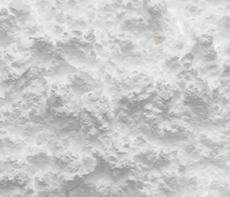
C10-30 alkyl acrylate crosspolymer is a term used in the cosmetics industry to refer to a class of copolymers formed from various C10-30 alkyl acrylates (esters of acrylic acid), cross-linked with an allyl pentaerythritol ether or an allyl sucrose ether.
They are broken down as follows:
- C10-30 Alkyl Acrylates are acrylic acid esters with an alkyl group containing 10 to 30 carbon atoms. The specific alkyl group can vary, resulting in a range of different acrylates.
- Crosspolymer refers to polymer chains linked together, forming a three-dimensional network. This cross-linking process can improve the properties of the polymer, making it more resistant to chemicals, heat and mechanical stress.
- Allyl Ether of Pentaerythritol or Allyl Ether of Sucrose are the cross-linking agents used to form the cross-linked polymer. They react with acrylate monomers to link the polymer chains together.
Description of the raw materials used in its production:
- C10-30 Fatty Alcohols are alcohols derived from natural fats or synthesized industrially. These alcohols consist of carbon chains of varying lengths, ranging from C10 to C30.
- Alkyl Acrylates are compounds obtained from the reaction of acrylic acid with fatty alcohols. In the synthesis of C10-30 Alkyl Acrylate Crosspolymer, a mixture of alkyl acrylates derived from C10 to C30 fatty alcohols is used.
Industrial chemical synthesis step-by-step:
- Preparation of Alkyl Acrylates - Alkyl acrylates are prepared by reacting acrylic acid with C10-30 fatty alcohols. This reaction involves the bonding of the acrylates with the carbon chains of the alcohols, forming the desired alkyl acrylates.
- Polymerization - The alkyl acrylates are then subjected to a polymerization process to form C10-30 Alkyl Acrylate Crosspolymer. During polymerization, the alkyl acrylate units bond together through covalent linkages, forming a three-dimensional network.
- Purification - The polymer obtained from the polymerization is purified to remove any impurities and by-products. This can be done through filtration and washing processes.
- Drying and Packaging - The purified C10-30 Alkyl Acrylate Crosspolymer is dried to remove residual moisture and then packaged for distribution and use in the cosmetic industry.
What it is used for and where
Polymeric thickeners have been used in pharmaceutical and cosmetic products for decades. They are primarily rheological modifiers, which change the physical properties of a system and, in suspension components, the rate of migration.
C10-30 alkyl acrylate crosspolymer has an excellent electrolyte tolerance, which allows high surfactants to be stabilised and insoluble ingredients to be suspended.
Pharmaceuticals
The inclusion of C10-30 alkyl acrylate crosspolymer in pharmaceutical formulations makes oil-in-water emulsions of organic oils more stable where emulsion stability is a product quality priority. It has been observed that the inclusion of this chemical compound in pharmaceutical emulsions containing a limited number of additives influences and improves the droplet size distribution in oil/water emulsions (1).
Cosmetics
- Emulsion stabiliser. Emulsions are thermodynamically unstable. Emulsion stabilisers improve the formation and stability of single and double emulsions. as well as their shelf-life. It should be noted that in the structure-function relationship, the molar mass of the ingredient used plays an important role.
- Film-forming agent. It produces, upon application, a very thin continuous film with an optimal balance of cohesion, adhesion and stickiness on skin, hair or nails to counteract or limit damage from external phenomena such as chemicals, UV rays and pollution.
- Viscosity control agent. It controls and adapts, Increasing or decreasing, viscosity to the required level for optimal chemical and physical stability of the product and dosage in gels, suspensions, emulsions, solutions.
C10-30 alkyl acrylate crosspolymer is predominantly used as a thickener, co-thickener or polymeric emulsifier in facial and body cleansing cosmetics to improve viscosity at pH 5.5. The amount included in the formula is typically 0.2% w/w in emulsions It usually interacts with non-ionic surfactants (2).
Commercial applications
Gelling Agent. C10-30 Alkyl Acrylate Crosspolymer is used in cosmetics and skincare products to create a gel-like consistency.
Emulsion Stabilizer. Used in creams and lotions to help stabilize emulsions and prevent components from separating.
Viscosity Enhancer. Increases the viscosity of products like lotions, creams, and gels, making them thicker.
Film Former. Can form a thin film on the skin or hair, helping to lock in moisture.
Suspending Agent. Helps to suspend solid particles in liquid or semi-liquid products.
The most relevant studies on this chemical compound have been selected with a summary of their contents:
C10-30 alkyl acrylate crosspolymer studies
Typical optimal commercial product characteristics C10-30 alkyl acrylate crosspolymer
| Appearance | White fine powder |
| Solution Clarity(%) | ≥92 |
| Loss on drying (%) | ≤2.0 |
| Wetting Time | ≤6 |
| Viscosity: (mPa.s) | 8000-16000 45000-65000 |
Synonyms:
- Acrylates/C10-30 alkyl acrylate cross polymer
- Acrylates/C10-30 alkyl acrylate crosspolymer

