

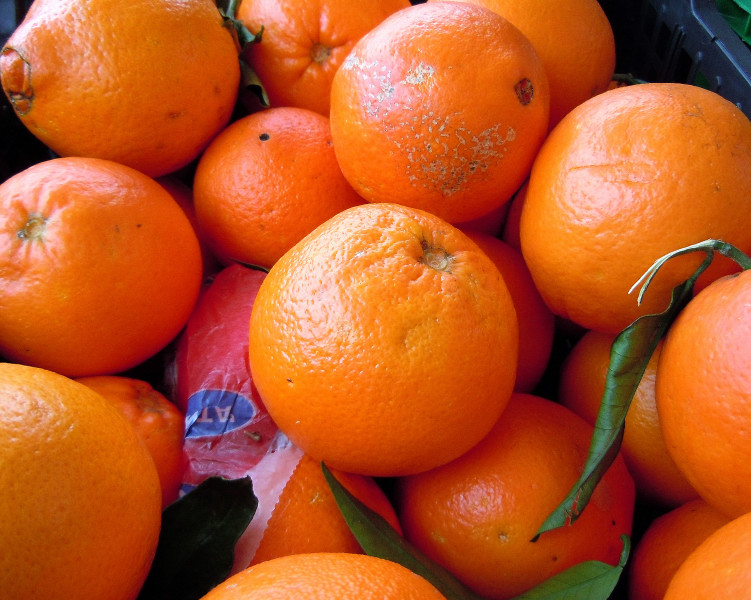
Citrus Pectin
Rating : 8
| Evaluation | N. Experts | Evaluation | N. Experts |
|---|---|---|---|
| 1 | 6 | ||
| 2 | 7 | ||
| 3 | 8 | ||
| 4 | 9 | ||
| 5 | 10 |
10 pts from Frank123
| Sign up to vote this object, vote his reviews and to contribute to Tiiips.Evaluate | Where is this found? |
| "Descrizione" about Citrus Pectin Review Consensus 10 by Frank123 (12474 pt) | 2026-Jan-10 12:44 |
| Read the full Tiiip | (Send your comment) |
Citrus pectin: E440 additive, INCI functions, identifiers (CAS/EC), gelling properties, and formulation guidance
Citrus pectin
Citrus Pectin – polysaccharide (heteropolysaccharide) based on polygalacturonic acid (partially esterified)
Synonyms: pectin (citrus), pectin from citrus peel, E440(i) pectins (food use)
INCI / functions: binding, emulsion stabilising, film forming, viscosity controlling (typical cosmetic functions)
Definition
Citrus pectin is a polysaccharide extracted mainly from citrus peel (botanical matrices of the Rutaceae family), composed predominantly of galacturonic acid chains (a “polygalacturonic acid” backbone partially methyl-esterified). From a compositional standpoint, the ingredient corresponds to a polymeric mixture with variable degree of esterification: HM (high methoxyl) and LM (low methoxyl) pectins differ in gelling mechanism and use conditions. In food formulation, it is a reference gelling agent and thickener, while in cosmetics it is used to increase viscosity, stabilize dispersed systems, and contribute to a more film-forming and uniform skin feel.

Calories (energy value)
| Parameter | Value |
|---|---|
| Indicative energy value | ~200 kcal per 100 g (if counted as fiber: 2 kcal/g) |
| Use note | at typical use levels (fractions of a %) the energy contribution in the finished product is generally negligible |
Identification data and specifications
| Identifier | Value |
|---|---|
| Common name | citrus pectin |
| INCI name (cosmetic use) | pectin / citrus pectin (depending on supplier nomenclature) |
| CAS number | 9000-69-5 |
| EC/EINECS number | 232-553-0 |
| Food additive | E440(i) (pectins) |
Key constituents
| Class | Typical components | Technical note |
|---|---|---|
| Main polymer fraction | polygalacturonic acid chains (galacturonans) | structure responsible for gelling and viscosity |
| Functional groups | methyl ester fraction (grade-dependent) | differentiates HM vs LM behavior |
| Minor components | neutral sugars and variable minor botanical fractions | influence color, viscosity, and batch repeatability |
Physicochemical properties (indicative)
| Property | Value/description | Note |
|---|---|---|
| Physical state | powder | typically white–cream |
| Water solubility | dispersible; progressive hydration | requires proper wetting and time |
| Rheological behavior | thickening and gelling | depends on grade and conditions (pH, sugars, Ca²⁺) |
Functional role and practical mechanism of action
| Function | What it does in the formula | Operational note |
|---|---|---|
| Gelling agent (food) | forms structured gels | HM: sugar + acidity; LM: Ca²⁺ |
| Thickener / viscosity controlling | increases viscosity and “body” | useful in aqueous systems and dispersions |
| Stabiliser | supports stability of suspensions/emulsions | reduces separation and syneresis (grade-dependent) |
| Film forming (cosmetics) | contributes a light, uniform film | effect linked to dose and system |
Typical gelling conditions
| Type | Main driver | Indicative pH range | Technical note |
|---|---|---|---|
| HM (high methoxyl) | sugars + acidity | ~2.8–3.5 | typical for jams/jellies |
| LM (low methoxyl) | Ca²⁺ (ionic bridges) | ~2.5–6.5 | useful for low-sugar and thermo-stable gels |
Formulation compatibility
In food applications, pectin performance depends critically on pH, soluble solids (sugars), calcium presence, and processing profile (temperature, shear, hydration time). In HM systems, efficiency increases with adequate acidity and sugar content; in LM systems, control of Ca²⁺ ions is essential (dose and form, to avoid overly rigid gels or localized precipitation).
In cosmetics, pectin is generally compatible with aqueous systems and O/W emulsions as a rheology modifier, but it can be sensitive to: (i) high electrolyte levels (viscosity changes), (ii) extreme pH, and (iii) interactions with cationic polymers (potential complexation). In “clear” formulas, achieving full transparency can be challenging: the outcome depends on dispersion quality and the selected grade. Good practice is to introduce pectin with proper wetting (premix with sugar in food, or with compatible humectants in cosmetics) to minimize lumps and “fish-eyes”.
Use guidelines (indicative)
| Application | Typical range | Technical note |
|---|---|---|
| Jams/jellies (food) | 0.2–1.5% | depends on pectin type, °Brix, and pH |
| Beverages/fruit preparations | 0.05–0.5% | for stability and mouthfeel |
| Cosmetics (gels, lotions, masks) | 0.1–1.0% | evaluate texture, slip, and stability |
| Suspensions | 0.1–0.8% | reduces sedimentation; verify electrolytes |
Typical applications
Food: gel formation (jams), stabilization of fruit preparations, texture improvement, and reduced syneresis in selected systems.
Cosmetics: gels and masks requiring controlled viscosity, improved suspension stability, and support for a light sensorial film.
Pharmaceutical/technical: use as a functional polymer (thickener/binder) in selected systems, depending on quality specifications.
Quality, grades and specifications
| QC parameter | What to control |
|---|---|
| Type and standardisation | HM vs LM; degree of esterification (if declared) |
| Gelling strength | performance under target conditions (pH, sugars or Ca²⁺) |
| Moisture | powder stability and flow |
| Ash/electrolytes | impact on rheology and repeatability |
| Microbiology (food) | limits and food-grade compliance |
| Color/odor | impact on clear or delicate products |
Safety, regulation and environment
In food, pectin is a well-established additive (category E440) used under the conditions applicable to the product category. In cosmetics, as a plant-derived polymer, the correct safety approach is the finished product assessment: attention to purity, contaminants, and microbiological stability in aqueous formulas. From an environmental perspective, it is a naturally derived substance; practical sustainability considerations are mainly linked to industrial handling of process water and organic residues in line with local regulation and good operational practice.
Formulation troubleshooting
| Issue | Likely cause | Recommended action |
|---|---|---|
| Lumps / incomplete hydration | poor wetting, too fast addition | premix (with sugar or humectant), sprinkle addition, allow hydration time |
| Gel too rigid (LM) | excess/localized Ca²⁺ | reduce Ca²⁺, use controlled-release salts, improve dispersion |
| Weak gel (HM) | pH off-target or insufficient soluble solids | adjust pH and °Brix, increase pectin or change grade |
| Unstable viscosity in cosmetics | electrolytes/pH, polymer interactions | optimize salts and pH, select a more suitable grade, run thermal cycling |
| Haze in “clear” systems | dispersion not fine enough or unsuitable grade | change grade, optimize hydration and process, accept opalescence if claim-compatible |
Conclusion
Citrus pectin is a plant polymer based on polygalacturonic acid, primarily used as a gelling agent and thickener in food (E440) and as a rheology modifier in cosmetics. Selecting the appropriate grade (HM/LM), managing pH, sugars or Ca²⁺, and using a controlled hydration process are decisive for repeatable performance and long-term stability.
Studies
Anti-tumour activity and membrane permeability: Findings suggested that citrus PET-pectin can be developed as a potential dietary supplement in plant origin for cancer prevention (1).
This study aims to better understand the implications that chemical modifications may impose on the structure of citrus pectins (2).
The present study revealed that MCP, a galectin‑3 inhibitor, reduced the size of atherosclerotic lesions by inhibiting the adhesion of leucocytes to endothelial cells. Inhibition of galectin‑3 function may be a therapeutic strategy for the treatment of atherosclerosis (3).
Mini-glossary
| Term | Meaning | Note |
|---|---|---|
| HM | high methoxyl pectin | gels with sugar + acidity |
| LM | low methoxyl pectin | gels with Ca²⁺ |
| °Brix | soluble solids content (sugars) | relevant for HM gels |
| Syneresis | liquid release from a gel | reduced by proper grade/process |
| Ca²⁺ | calcium ion | key driver for LM gels |
References__________________________________________________________________________
(1) Huang, P.H., Fu, L.C., Huang, C.S., Wang, Y.T., and Wu, M.C. The uptake of oligogalacturonide and its effect on growth inhibition, lactate dehydrogenase activity and galactin-3 release of human cancer cells. Food Chem. 2012; 132: 1987–1995
Abstract. Anti-tumour activity and membrane permeability of 1 kDa oligogalacturonide (PET-pectin), prepared from citrus pectin after 24 h hydrolysis, by commercial pectic enzyme produced by Aspergillus niger, on four human cell lines (HepG2, A549, Colo 205, and HEK293) and the uptake of oligogalacturonide by HEK293 cell and BALB/c mouse were investigated. PET-pectin causes a higher value of growth inhibition, lactate dehydrogenase release, and galactin-3 release in human cancer cells, as compared to the human normal HEK293 cell. There was a good correlation between growth inhibition of human cells and the uptake of rhodamine B-PET-pectin content by these cells. Additionally, almost no difference between growth inhibitions of human normal HEK293 cells cultivated with PET-pectin and pectin was found. Total pectin content in the blood of PET-pectin administrated mice increased to a maximum at 2 h after oral administration, while it did not increase and change in pectin administrated mice. Our findings suggested that citrus PET-pectin can be developed as a potential dietary supplement in plant origin for cancer prevention.
(2) Fracasso AF, Perussello CA, Carpiné D, Petkowicz CLO, Haminiuk CWI. Chemical modification of citrus pectin: Structural, physical and rheologial implications. Int J Biol Macromol. 2018 Apr 1;109:784-792. doi: 10.1016/j.ijbiomac.2017.11.060. Epub 2017 Nov 11.
(3) Lu Y, Zhang M, Zhao P, Jia M, Liu B, Jia Q, Guo J, Dou L, Li J. Modified citrus pectin inhibits galectin-3 function to reduce atherosclerotic lesions in apoE-deficient mice. Mol Med Rep. 2017 Jul;16(1):647-653. doi: 10.3892/mmr.2017.6646.
Abstract. Galectin-3 is a carbohydrate-binding lectin, which has been implicated in the modulation of atherosclerotic pathophysiology, and is highly expressed in monocytes, macrophages and endothelial cells within atherosclerotic plaques. Modified citrus pectin (MCP) is produced from citrus pectin via pH and temperature modifications, which break it into shorter, non‑branched, galactose‑rich carbohydrate chains. MCP is able to tightly bind with galectin‑3, via recognition of its carbohydrate recognition domain, and facilitates the modulation of galectin‑3‑induced bioactivity. The present study explored the effects of MCP on the initiation of atherosclerosis. Eight‑week‑old apolipoprotein E‑deficient mice were treated with 1% MCP and fed an atherogenic diet for 4 weeks. The effects of MCP on atherosclerotic initiation were determined by pathological analysis and scanning electron microscope (SEM) imaging. MCP treatment reduced the size of atherosclerotic lesion areas, which was accompanied by decreased numbers of macrophages and smooth muscle cells (SMCs). Furthermore, SEM examination of the surface of the atheroma‑prone vessel wall indicated that MCP treatment reduced endothelial injury. To analyze the effects of MCP on monocyte adhesion, firstly, oxidized‑low density lipoprotein and various concentrations of MCP (0.025, 0.05, 0.1 and 0.25%) were incubated with the human umbilical vein endothelial cells (HUVECs) for stimulation and following this, the U937 cells were plated onto the HUVECs. The results revealed that MCP reduced the adhesion of U937 monocytes to HUVECs, indicating the adhesion-inhibiting effects of MCP. In conclusion, the present study revealed that MCP, a galectin‑3 inhibitor, reduced the size of atherosclerotic lesions by inhibiting the adhesion of leucocytes to endothelial cells. Inhibition of galectin‑3 function may be a therapeutic strategy for the treatment of atherosclerosis.
| Sign up to vote this object, vote his reviews and to contribute to Tiiips.EvaluateClose | (0 comments) |
Read other Tiiips about this object in __Italiano (1)
Component type:   Natural Main substances:   Last update:   2026-01-10 12:25:08 | Chemical Risk:   |

