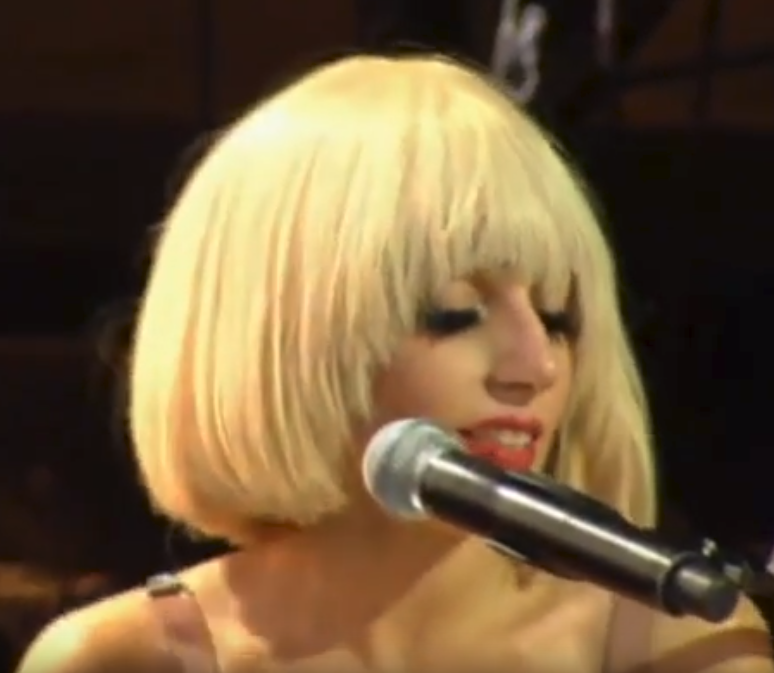
Lady Gaga, biografia completa, identità artistica, sperimentazione pop e discografia
Profilo
Lady Gaga (Stefani Joanne Angelina Germanotta; New York, Stati Uniti, 28 marzo 1986) è cantautrice, musicista, performer e attrice statunitense, una delle figure più influenti della musica pop del XXI secolo.
Lady Gaga ha ridefinito il concetto di pop star contemporanea, fondendo scrittura musicale, performance art, moda e attivismo culturale in un progetto artistico coerente e riconoscibile, capace di coniugare successo commerciale e sperimentazione identitaria.

Origini e formazione (New York)
Cresciuta a New York, Gaga riceve una formazione musicale solida fin dall’infanzia, studiando pianoforte classico e canto. L’ambiente urbano e multiculturale newyorkese influisce profondamente sulla sua visione artistica, alimentando un interesse precoce per:
teatro,
performance,
musica pop e rock,
avanguardia visiva.
La sua formazione include esperienze nel circuito underground e nei club, che contribuiscono a sviluppare una forte consapevolezza scenica e una concezione dell’arte come costruzione identitaria.
Esordio discografico e affermazione globale
Il debutto discografico segna un’immediata affermazione internazionale. Lady Gaga si impone rapidamente come nuova icona pop grazie a:
melodie immediatamente riconoscibili,
produzione elettronica efficace,
immaginario visivo provocatorio.
In questa fase iniziale, la cantante ridefinisce i codici del pop mainstream, introducendo temi legati a identità, inclusione, corpo e libertà espressiva, spesso veicolati attraverso un’estetica volutamente eccessiva.
Identità, performance e costruzione del personaggio
Un elemento centrale dell’opera di Lady Gaga è la costruzione consapevole del personaggio artistico. La performance non è accessoria alla musica, ma parte integrante del messaggio.
Questo approccio si manifesta attraverso:
uso simbolico della moda,
teatralizzazione del corpo,
sovrapposizione tra persona e personaggio.
Lady Gaga utilizza l’eccesso come strumento critico, trasformando il pop in spazio di riflessione sull’identità contemporanea.
Evoluzione musicale e versatilità stilistica
Nel corso della carriera, Gaga dimostra una notevole versatilità musicale, attraversando generi e linguaggi differenti:
pop elettronico,
dance,
rock,
jazz tradizionale,
ballad pianistiche.
Questa evoluzione è accompagnata da un progressivo spostamento dell’attenzione:
dall’estetica provocatoria alla centralità della voce,
dalla costruzione del mito alla dimensione personale e autobiografica.
La voce e il rapporto con la tradizione
Contrariamente a una percezione iniziale puramente pop, Lady Gaga possiede una vocalità solida e tecnicamente fondata, con una forte influenza della tradizione jazz e del canto classico leggero.
La sua attività nel jazz e nel repertorio standard americano evidenzia:
Questo dialogo con la tradizione contribuisce a legittimare la sua figura anche in contesti extra-pop.
Cinema, recitazione e ampliamento del linguaggio
Accanto alla musica, Lady Gaga sviluppa una carriera cinematografica significativa, ampliando ulteriormente il proprio raggio espressivo. L’attività attoriale si inserisce coerentemente nel suo percorso artistico, rafforzando l’idea di un’artista multidisciplinare.
Il passaggio tra musica e cinema avviene senza soluzione di continuità, mantenendo costante l’attenzione all’intensità emotiva e alla costruzione del personaggio.
Impegno sociale e dimensione culturale
Lady Gaga è fortemente impegnata in temi di:
inclusione,
diritti civili,
salute mentale,
autodeterminazione.
Il suo attivismo è integrato nella produzione artistica e nella comunicazione pubblica, contribuendo a ridefinire il ruolo della pop star come figura culturalmente responsabile.
Stile musicale e caratteristiche distintive
Elementi centrali dello stile di Lady Gaga:
Forte identità visiva e performativa.
Melodie pop strutturate, spesso di immediata efficacia.
Versatilità vocale, dal pop al jazz.
Uso del corpo e dell’immagine come linguaggio simbolico.
Capacità di dialogo tra mainstream e ricerca artistica.
Singoli ufficiali (come artista principale)
(Ordine approssimativo cronologico — alcuni anni delle release possono variare a seconda dei mercati)
2008 – 2010 (era The Fame / The Fame Monster)
Just Dance (feat. Colby O'Donis) (2008)
Poker Face (2008)
Eh, Eh (Nothing Else I Can Say) (2009)
LoveGame (2009)
Paparazzi (2009)
Bad Romance (2009)
Telephone (feat. Beyoncé) (2010)
Alejandro (2010)
2011 – 2013 (era Born This Way / Artpop)
9. Born This Way (2011)
10. Judas (2011)
11. The Edge of Glory (2011)
12. Yoü and I (2011)
13. Marry the Night (2011)
14. Applause (2013)
15. Do What U Want (feat. R. Kelly) (2013)
16. G.U.Y. (2014)
2015 – 2016 (era Joanne)
17. Til It Happens to You (2015)
18. Perfect Illusion (2016)
19. Million Reasons (2016)
20. A-Yo (2016)
21. Joanne (2017) (singolo estratto dall’album)
2020 – 2021 (era Chromatica / remix / altri progetti)
22. Stupid Love (2020)
23. Rain On Me (con Ariana Grande) (2020)
(tra gli estratti di Chromatica ci sono anche altri singoli legati a remix/collegamenti di progetto)
Colonne sonore e singoli correlati
24. Shallow (con Bradley Cooper) – da A Star Is Born (2018)
25. Always Remember Us This Way – da A Star Is Born (2018)
26. I’ll Never Love Again – da A Star Is Born (2018)
27. Hold My Hand – da Top Gun: Maverick (2022)
(Questi sono singoli legati a colonne sonore in cui Gaga è artista principale.)
2024 – 2025 e oltre (era Harlequin / Mayhem)
28. Die With a Smile (feat. Bruno Mars) (2024)
29. Disease (2024)
30. Abracadabra (2025)
(Altri singoli promozionali legati all’era Mayhem potrebbero essere confermati con il completamento delle release ufficiali.)
Altri singoli ufficiali o minori inclusi nella categoria “Singoli di Lady Gaga”
31. 911
32. A-Yo
33. Abracadabra
34. Anything Goes (con Tony Bennett e Lady Gaga)
35. I Can’t Give You Anything but Love (con Tony Bennett e Lady Gaga)
36. Bloody Mary
37. Sweet Sounds of Heaven (feat. Rolling Stones & Lady Gaga)
Impatto artistico e culturale
Lady Gaga ha avuto un ruolo decisivo nel ridefinire il pop come spazio di sperimentazione identitaria e culturale, dimostrando che la musica mainstream può veicolare contenuti complessi senza perdere accessibilità.
Lettura critica: Lady Gaga come artista totale del pop contemporaneo
Il percorso di Lady Gaga mostra come il pop possa funzionare come sistema integrato di musica, immagine, performance e discorso sociale. La sua opera supera la distinzione tra intrattenimento e ricerca, collocandosi in una zona di dialogo continuo tra cultura alta e cultura popolare.
Lady Gaga rimane una figura chiave per comprendere l’evoluzione della musica pop nel XXI secolo, non solo come cantante, ma come artista totale e costruttrice di linguaggi.



 Lady Gaga