



Vegetables
Vegetables include a broad group of plant foods obtained from different edible parts of plants, including leaves, stems, roots, bulbs, flowers, fruits, and seeds.
Examples include carrots, courgettes, aubergines, peppers, tomatoes, spinach, lettuce, cabbage, broccoli, fennel, onions, and many other plant species.
From a nutritional point of view, vegetables are generally characterised by a high water content, relatively low energy density, and a good amount of dietary fibre.
Their composition varies considerably according to the species. Many vegetables provide vitamin C, folate, vitamin K, provitamin A carotenoids, potassium, and other minerals.
They also contain numerous bioactive compounds, including polyphenols, flavonoids, carotenoids, and glucosinolates, depending on the type of vegetable.
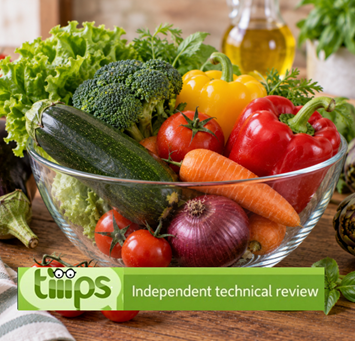
Dark green vegetables are often particularly rich in folate, vitamin K, and carotenoids, while yellow, orange, and red vegetables may provide significant amounts of beta-carotene, lycopene, and other plant pigments.
Cooking can reduce some heat-sensitive nutrients, such as part of the vitamin C content, but it may also increase the availability of certain compounds, including some carotenoids.
Calories
The calorie content of vegetables varies considerably according to the species.
Many fresh vegetables provide approximately 15–50 kcal per 100 g.
Vegetables that are naturally richer in starch or sugars may have higher values.
Preparation methods can substantially alter energy intake: the addition of oil, butter, cheese, sauces, or other high-calorie ingredients can greatly increase the calorie content compared with the original vegetable.
Uses in Food
Vegetables are a fundamental component of a wide range of food preparations.
They can be eaten raw, steamed, boiled, grilled, roasted, stewed, or sautéed.
They are used in salads, side dishes, soups, purées, risotto, pasta dishes, one-pot meals, and preparations based on cereals or legumes.
They can also be used in sauces, spreads, fillings, savoury pies, omelettes, vegetable patties, and baked products.
Many vegetables are also sold frozen, dried, fermented, pickled, or canned.
Eating a wide variety of vegetables helps diversify the intake of fibre, vitamins, minerals, and bioactive compounds.
Uses in Cosmetics
Many vegetables and their extracts are also used in cosmetics.
Plant extracts may be included in creams, serums, masks, cleansers, lotions, and hair-care products.
Depending on the species, they may provide carotenoids, polyphenols, vitamins, and other antioxidant compounds.
Extracts of cucumber, carrot, tomato, and other vegetables may be used for conditioning, moisturising, or antioxidant purposes in cosmetic formulations.
Some oils and derivatives obtained from seeds or other plant parts are also used as emollient ingredients.
Food-grade vegetables should not, however, be considered equivalent to standardised cosmetic extracts or derivatives.
Allergens
The general category of vegetables does not constitute a single food allergen.
However, some individual species can cause allergic reactions or cross-reactivity.
Among vegetables, celery is one of the allergens subject to mandatory declaration in the European Union and the United Kingdom.
Other vegetables may cause reactions particularly in people with pollen allergies, as part of pollen-food syndrome or oral allergy syndrome.
In compound foods, the specific vegetable species present and any additional allergens used in the preparation should therefore be considered.
Evaluation
Vegetables are generally a nutritionally favourable food category, characterised by high amounts of water, fibre, vitamins, minerals, and bioactive compounds, often with a relatively low calorie content.
Their nutritional value varies considerably according to species and preparation method.
Ingredient verdict: a generally very favourable plant-food category as part of a varied and balanced diet; consuming different types and colours helps provide a broader range of nutrients and bioactive compounds.
Cons: possible individual allergies or intolerances to specific vegetables; calorie content can increase substantially when prepared with high-fat ingredients

