



Cultivated mushrooms
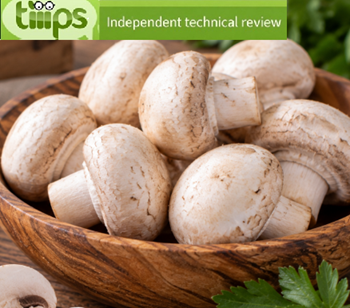
Cultivated mushrooms are edible mushrooms grown under controlled conditions on specific substrates rather than collected from the wild.
The term may include several species, particularly button mushrooms (Agaricus bisporus), as well as Pleurotus, shiitake, and other cultivated varieties. Their nutritional characteristics may therefore vary slightly depending on the species.
Mushrooms consist mainly of water and generally have a low energy density.
They provide a modest amount of protein, very little fat and carbohydrates, together with dietary fibre, including structural components such as chitin and beta-glucans.
They contain several micronutrients, particularly potassium, phosphorus, copper, selenium, and B vitamins, with amounts varying according to species and growing conditions.
Some mushrooms may also provide vitamin D2 (ergocalciferol), especially when exposed to ultraviolet light, which promotes the conversion of naturally occurring ergosterol into vitamin D2.
They also contain various bioactive compounds, including polyphenols and antioxidant substances, whose concentrations differ considerably between species.
Cooking changes their texture and may improve the digestibility of some structural components.
Calories
Fresh cultivated mushrooms generally provide approximately 20–30 kcal per 100 g.
The actual value varies according to the species and water content.
Energy density may increase considerably when mushrooms are cooked with oil, butter, cream, cheese, or other calorie-dense ingredients.
Dried mushrooms have much higher calorie values per 100 g, mainly because of the substantial loss of water.
Uses in Food
Cultivated mushrooms are used in a wide range of culinary preparations.
They can be sautéed, baked, grilled, or stewed and served as a side dish or used as a main ingredient.
They are commonly used in risotto, pasta dishes, soups, pizza, savoury pies, and fillings.
They can also be incorporated into sauces, creams, gravies, omelettes, and dishes based on meat or vegetables.
Some varieties are also used dried or ground into powder as a flavouring ingredient.
Commercial cultivated mushrooms may be sold fresh, frozen, dried, preserved in oil, or canned.
From a nutritional perspective, they are a low-calorie food and can contribute fibre, minerals, and micronutrients as part of a varied diet.
Uses in Cosmetics
Extracts obtained from several mushroom species are also used in cosmetics.
They may be included in creams, serums, masks, cleansers, and skin-care products.
Some mushroom extracts are used for their content of polysaccharides, beta-glucans, and antioxidant compounds, mainly for conditioning and moisturising purposes in cosmetic formulations.
Derivatives of specific species may also be used in products designed to improve the appearance of the skin and help protect it from oxidative stress.
Food-grade cultivated mushrooms should not, however, be considered equivalent to standardised cosmetic mushroom extracts.
Allergens
Cultivated mushrooms are not among the major food allergens subject to mandatory declaration in the European Union, United Kingdom, or United States.
However, individual allergic reactions are possible, although relatively uncommon.
Some people may also experience digestive discomfort related to the presence of chitin and other cell-wall components, particularly after consuming large amounts or insufficiently cooked mushrooms.
In processed mushroom products, any allergens introduced through sauces, seasonings, or additional ingredients should also be considered.
Evaluation
A nutritionally interesting food because of its low calorie content and its contribution of fibre, potassium, B vitamins, and other micronutrients.
Its nutritional profile depends on the species, while the cooking method and added ingredients can substantially alter the overall calorie content.
Ingredient verdict: generally a nutritionally favourable, low-calorie food that can add variety, fibre, and micronutrients to the diet; thorough cooking and moderate use of high-fat seasonings are preferable.
Cons: possible digestive discomfort or rare individual allergic reactions; calorie content can increase considerably when prepared with high-fat ingredients

