



Malted cereal flour
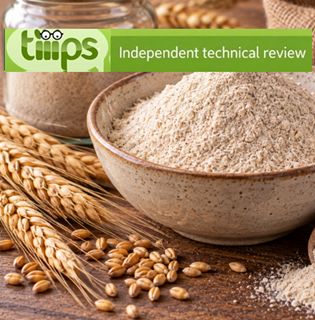
Malted cereal flour is produced from one or more cereals belonging to the Poaceae family that have undergone malting, a process involving controlled germination of the grain followed by drying and milling.
It may be made from cereals such as barley, wheat, rye, spelt or, less commonly, other grains. Its composition therefore depends on the raw material used.
During germination, naturally occurring enzymes, especially amylases, become active and begin breaking down part of the starch into simpler carbohydrates such as maltose and dextrins.
If the malted flour is dried at moderate temperatures, some enzymatic activity may remain and the product may be described as diastatic. More intense heat treatment largely inactivates the enzymes, producing malted flours used mainly for flavor and color.
Malting develops a characteristic sweet, toasted and cereal-like flavor and may increase the availability of fermentable sugars.
Nutritionally, malted cereal flour remains mainly a source of carbohydrates, with variable amounts of protein, fiber and minerals depending on the cereal and degree of refinement.
Calories
Malted cereal flour generally provides approximately 340–380 kcal per 100 g.
The actual value varies according to the cereal used, the degree of refinement and the amount of sugars formed during malting.
Uses in Food
It is used mainly in bread, rolls, pizza, biscuits, crackers and other baked goods.
In diastatic malted flours, the enzymes convert part of the starch into sugars that can be used by yeast, helping improve fermentation and dough development.
The additional available sugars can also promote crust browning during baking and contribute to a more pronounced aroma.
Non-diastatic malted flours are used mainly to provide malt flavor, color and toasted notes.
They may also be found in breakfast cereals, snacks, baking mixes and confectionery products.
Their technological effect depends strongly on the amount used and on any residual enzymatic activity.
Uses in Cosmetics
Malted cereal flours are not particularly common cosmetic ingredients.
Cereal extracts and derivatives may, however, be used in cleansers, masks, hair-care products and emollient or conditioning formulations.
Malt derivatives may also provide sugars, amino acids and other soluble components used in some cosmetic preparations.
Food-grade malted flour should not be considered equivalent to a purified and standardized cosmetic extract.
Allergens
The allergen profile depends on the cereals used.
If it contains wheat, barley, rye or spelt, it contains gluten-containing cereals and falls within the allergen categories requiring mandatory declaration in the European Union.
Malting does not remove gluten.
Assessment
A mainly technological and flavoring ingredient, useful for improving fermentation, color, aroma and structure in baked products.
Ingredient verdict: a functional flour made from malted cereals, particularly useful in breadmaking and baked goods; its nutritional and allergenic characteristics depend on the cereal used.
Cons: possible Allergen; calorie content mainly from carbohydrates

