



Spice blend
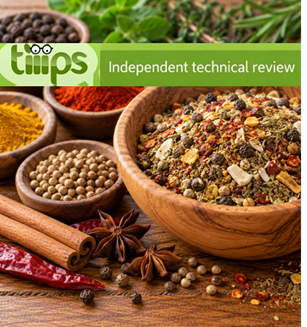
A spice blend is a combination of two or more spices used to provide aroma, flavour, colour and intensity to foods.
It may include, for example, pepper, paprika, cumin, coriander, turmeric, cinnamon, ginger, nutmeg, cloves, chilli, cardamom or other spices, belonging to different botanical families.
Its composition can vary considerably from one product to another; therefore, its nutritional and aromatic profile depends on the specific spices used and their proportions.
Spices contain numerous essential oils, terpenes, polyphenols, carotenoids and other bioactive plant compounds, which are responsible for their characteristic aromas, colours and flavour sensations.
Some blends are mainly aromatic, while others may be very pungent or characterised by sweet, toasted or smoky notes.
From a nutritional point of view, dried spices may contain significant amounts of fibre, minerals and antioxidant compounds per 100 g, but they are generally used in quantities too small to make a major nutritional contribution.
It is important to distinguish a blend made only from spices from a seasoning mix, which may also contain salt, sugar, starches, flavourings or other ingredients.
Calories
The energy value depends entirely on composition.
A blend made only from dried spices may provide approximately 250–400 kcal per 100 g, but at normal use levels, usually only a few grams, the actual caloric contribution is very low.
The presence of sugar, oils or other ingredients may significantly alter the energy value.
Uses in Food
Spice blends are used in meat, fish, vegetables, pulses, rice, couscous, soups, sauces, marinades, savoury baked goods and ready meals.
They include traditional preparations such as curry, garam masala, ras el hanout, chilli powder and many regional spice blends.
They provide a complex and reproducible flavour profile without requiring each spice to be measured separately.
They can help increase flavour intensity without adding significant amounts of fat or sugar.
If the blend contains salt, however, it should also be considered a source of sodium, not just a spice mixture.
Uses in Cosmetics
Spice-derived extracts, essential oils and components may be used in cosmetics for their fragrancing, antioxidant, warming, toning or conditioning properties.
They may be found in creams, massage oils, cleansers, soaps, shampoos, bath products and fragranced formulations.
Some ingredients, such as cinnamon, cloves, pepper or chilli, may be irritating or sensitising when used at high concentrations.
A food-grade spice blend should therefore not be considered equivalent to a formulated and standardised cosmetic ingredient.
Allergens
The generic term “spice blend” does not by itself identify the allergen profile.
If the blend contains ingredients such as mustard, celery or other allergens requiring mandatory declaration, these must be indicated according to the applicable regulations.
Rare individual reactions may also occur to certain spices even when they are not among the major regulated allergens.
Assessment
A versatile aromatic ingredient mainly valued for its plant compounds and its ability to intensify flavour using very small amounts.
Ingredient verdict: a useful aromatic combination that adds complexity and flavour; composition, possible allergens and salt content should be assessed case by case.
Cons: possible allergens or high salt content, depending on composition

