



Vegetable fiber
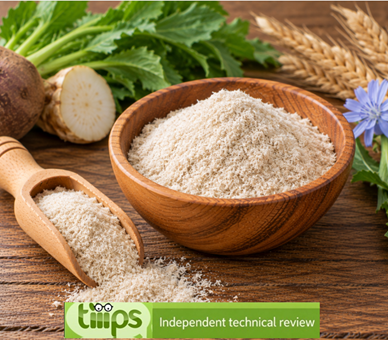
Vegetable fiber is an ingredient composed mainly of non-digestible components of plant cell walls, obtained from different sources such as cereals, fruits, vegetables, legumes or roots.
It may contain varying proportions of cellulose, hemicelluloses, pectins, lignin and other soluble or insoluble fibre fractions.
Its composition depends strongly on the plant source and manufacturing process: some fibres are predominantly insoluble, while others contain a significant proportion of soluble and fermentable fibre.
Insoluble fibre mainly helps increase stool bulk and support normal bowel function.
Soluble fibre can absorb water, form gels and, in some cases, be fermented by the gut microbiota, producing short-chain fatty acids.
An adequate fibre intake may contribute to satiety and, depending on the type of fibre and the food in which it is present, may help modulate glycaemic response and nutrient absorption.
Concentrated vegetable fiber should not be considered nutritionally equivalent to the whole plant food, which also provides vitamins, minerals and numerous bioactive compounds.
High intakes, or a rapid increase in fibre consumption, may cause bloating, flatulence or changes in bowel habits, particularly when fluid intake is insufficient.
Calories
Under European nutrition-labelling rules, dietary fibre is conventionally assigned an energy value of approximately 2 kcal per gram.
An almost pure vegetable fibre may therefore provide around 200 kcal per 100 g, although the actual value varies according to purity and the presence of residual carbohydrates, proteins or other components.
Uses in Food
Vegetable fiber is used in bread, biscuits, baked goods, cereals, bars, beverages, sauces, meat products and plant-based foods.
It may be added to increase the dietary fibre content and improve the nutritional profile of a product.
Because of its ability to absorb and retain water, it can improve texture, softness, viscosity and stability.
In some formulations, it is used as a structuring agent, thickener or partial fat replacer.
It is also used in gluten-free products to improve water retention and dough structure.
Uses in Cosmetics
Plant fibres, cellulose and related polysaccharide derivatives may be used in cosmetics as absorbent, texturising, thickening and stabilising ingredients.
They may be found in creams, masks, cleansers, powders, scrubs and hair-care products.
Finely processed fibres can contribute to the texture and sensory properties of formulations, while coarser plant particles may be used as exfoliating materials.
Food-grade vegetable fiber should not automatically be considered equivalent to a purified and standardised cosmetic ingredient.
Allergens
The generic term “vegetable fiber” does not by itself identify the allergen profile.
If the fibre is derived from allergenic raw materials such as wheat, barley, rye, soy or tree nuts, the risk depends on the degree of purification and on whether allergenic proteins remain in the final ingredient.
Assessment
An ingredient of interest both nutritionally and technologically, particularly for increasing fibre content and improving structure and water retention in foods.
Ingredient verdict: a useful concentrated source of fibre and a versatile technological ingredient, although its nutritional and allergen profile depends on the specific plant source.
Cons: possible gastrointestinal discomfort when consumed in large amounts

