



Brown beans
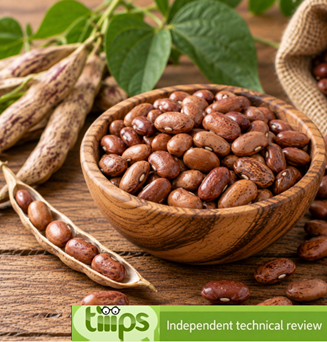
Brown beans are legumes generally belonging to the species Phaseolus vulgaris, family Fabaceae, which includes numerous varieties with seeds ranging from light to dark brown.
They are a good source of plant protein, complex carbohydrates and fibre, while naturally containing little fat.
Bean proteins provide several essential amino acids but are relatively low in methionine; combining them with cereals helps provide a more balanced amino acid profile.
They contain useful amounts of folate, iron, magnesium, potassium, phosphorus and manganese, with levels varying according to the variety and processing.
Their high fibre content contributes to normal bowel function, promotes satiety and may help produce a more gradual absorption of carbohydrates.
They also naturally contain resistant starch and fermentable oligosaccharides, including raffinose and stachyose, which partly reach the colon and are fermented by the gut microbiota.
These compounds may, however, cause bloating and flatulence in sensitive individuals.
Like other beans, raw brown beans contain lectins, which are greatly reduced or inactivated by adequate soaking and, especially, thorough cooking. Beans should therefore not be eaten raw or undercooked.
Calories
Dried brown beans provide approximately 330–350 kcal per 100 g.
Once cooked and rehydrated, their energy value generally falls to around 120–140 kcal per 100 g, mainly because of the increased water content.
Uses in Food
They are used in soups, stews, salads, chilli dishes, side dishes and plant-based preparations.
They can also be used in vegetable burgers, bean spreads, fillings and ready meals.
Their creamy texture makes them useful as a structural ingredient, while their protein and fibre content helps increase the nutritional value and satiety of meals.
Soaking dried beans, discarding the soaking water and cooking them thoroughly may help reduce some fermentable oligosaccharides and antinutritional compounds.
Uses in Cosmetics
Brown beans are not a common cosmetic ingredient.
Proteins, starches or extracts derived from legumes may nevertheless be used in some formulations as conditioning, absorbent or texturising ingredients.
Plant extracts may occasionally be found in masks, cleansers or hair-care products, although food-grade beans should not be considered equivalent to a standardised cosmetic ingredient.
Allergens
Common beans are not among the major food allergens requiring mandatory declaration in the European Union.
Rare individual allergic reactions may nevertheless occur, including possible cross-reactivity with other legumes.
Assessment
A nutritionally valuable legume due to its high content of plant protein, fibre, complex carbohydrates and minerals, combined with a low fat content.
Ingredient verdict: an excellent plant source of fibre and protein, particularly valuable in a balanced diet when properly cooked.
Cons: possible bloating and flatulence in sensitive individuals

