



Spice and herb extracts
Spice and herb extracts are concentrated preparations obtained from aromatic plants through processes such as extraction, distillation, maceration or concentration.
They may be derived from leaves, seeds, roots, bark, fruits or other plant parts and can include extracts of rosemary, thyme, oregano, basil, sage, pepper, paprika, dill, onion and many other species.
Their composition varies considerably depending on the raw materials and production method.
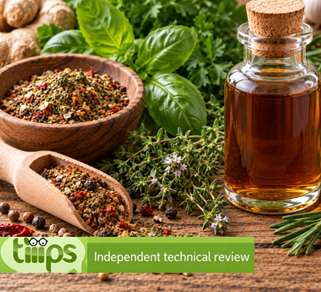
These extracts mainly concentrate the aromatic and volatile compounds responsible for flavour and fragrance, including terpenes, aldehydes, esters and other essential-oil components.
They may also contain polyphenols, flavonoids and other bioactive plant compounds in highly variable proportions.
Their role in foods is mainly flavouring and technological, and they are generally used in very small amounts.
They should not be considered nutritionally equivalent to whole spices and herbs, because much of the fibre, vitamins and minerals may not be transferred during extraction.
Some extracts may be carried on oils, maltodextrin, gum arabic or other carriers, which can alter their nutritional composition.
Calories
There is no standard caloric value because it depends on concentration and any carriers used.
At normal use levels, their caloric contribution to the finished product is generally negligible. Powdered extracts containing maltodextrin or other carbohydrates may, however, have a high energy value per 100 g.
Uses in Food
They are used in sauces, soups, stocks, snacks, savoury baked goods, ready meals, processed meats, plant-based preparations and seasonings.
They provide an intense, consistent and easily standardised flavour profile while allowing smaller quantities to be used than whole herbs or spices.
Depending on the plants used, they may reinforce herbal, spicy, pungent, smoky or balsamic notes.
They are especially useful in industrial foods because they facilitate dosing, storage and reproducibility of flavour.
Uses in Cosmetics
Spice and herb extracts are also widely used in cosmetics for their fragrancing, antioxidant, deodorising, toning or conditioning properties.
They may be found in creams, serums, cleansers, shampoos, bath products, deodorants, massage oils and hair-care formulations.
Their function depends on the specific plant: some extracts are used mainly for fragrance, while others are valued for antioxidant compounds or specific sensory effects.
Highly concentrated extracts, particularly those rich in essential oils, may cause irritation or sensitisation in susceptible individuals.
Food-grade extracts should not automatically be considered equivalent to a standardised cosmetic ingredient.
Allergens
The generic term “spice and herb extracts” does not in itself identify a specific allergen.
The risk depends on the actual raw materials used. If the blend contains ingredients such as celery or mustard, those allergens must be declared according to the applicable regulations.
Assessment
Concentrated ingredients mainly useful for flavour, standardisation and ease of use, with generally very little nutritional contribution.
Ingredient verdict: effective natural flavouring ingredients used in small amounts, although their overall assessment depends on the actual blend composition and any allergens present.
Cons: possible allergens or sensitisation, depending on the extracts used

