



Onion extract
Onion extract is obtained from the bulbs of onion (Allium cepa, family Amaryllidaceae) through extraction, concentration or drying processes.
Its composition varies considerably depending on the raw material and manufacturing method and may include sulfur compounds, flavonoids, sugars and aromatic substances naturally present in onion.
Among its main bioactive compounds are sulfur derivatives and flavonoids such as quercetin, which is particularly concentrated in the outer layers of the onion.
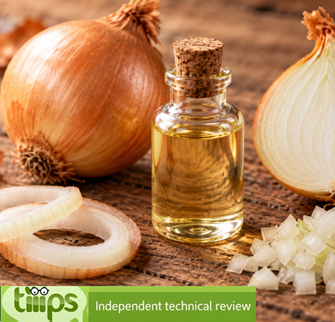
Sulfur compounds are largely responsible for onion’s characteristic pungent aroma and flavour and can change during cutting, heating and processing.
The extract may be supplied in liquid, concentrated or powdered form and is generally used in relatively small amounts.
From a nutritional point of view, it should not be considered equivalent to whole onion, because extraction may remove much of the fibre and alter the concentration of various micronutrients.
Powdered extracts may also contain carriers such as maltodextrin or other carbohydrates, which can significantly change the nutritional profile.
Calories
There is no standard caloric value because it depends on the degree of concentration and any carriers used.
At normal flavouring levels, its caloric contribution to the finished product is generally negligible. Dry extracts containing maltodextrin may, however, have a high energy value per 100 g.
Uses in Food
It is mainly used as a flavouring ingredient in sauces, soups, stocks, snacks, meat products, ready meals, seasonings and plant-based preparations.
It provides a consistent and concentrated onion flavour without requiring large amounts of fresh or dried onion.
Depending on the extract and heat treatment, it may contribute sweet, savoury and mildly pungent notes.
It is especially useful in industrial formulations where flavour standardisation, easy dosing and good shelf stability are required.
Uses in Cosmetics
Onion extracts are used in some cosmetic formulations for their conditioning and antioxidant properties.
They may be found particularly in scalp products, shampoos, lotions and skincare formulations.
Some Allium cepa derivatives are also used in products intended to improve the appearance of scars and altered skin, generally as part of specific formulations.
Concentrated extracts may, however, cause irritation in sensitive individuals.
Food-grade onion extract should not automatically be considered equivalent to a standardised cosmetic ingredient.
Allergens
Onion is not among the major food allergens requiring mandatory declaration in the European Union.
Rare allergic reactions or individual intolerances may nevertheless occur. In sensitive people, naturally occurring fructans in onion may contribute to bloating and gastrointestinal discomfort, although the residual amount depends on the type of extract.
Assessment
A concentrated ingredient mainly valued for its aromatic profile and consistent flavour delivery, with possible retention of characteristic sulfur compounds and flavonoids.
Ingredient verdict: an effective natural flavouring used in small amounts, although its nutritional value depends strongly on the type of extract and any added carriers.
Cons: possible gastrointestinal discomfort or irritation in sensitive individuals

