



Cornmeal
Cornmeal is a relatively coarse flour obtained by milling maize (Zea mays, family Poaceae).
It consists mainly of complex carbohydrates, particularly starch, and also contains moderate amounts of protein, small amounts of fat and fibre.
Depending on the maize variety, it may be yellow, white or more intensely coloured, partly because of naturally occurring pigments such as carotenoids and xanthophylls.
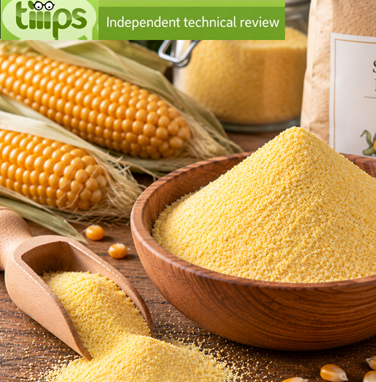
It is mainly used for polenta, baked goods, coatings, snacks and cereal-based preparations.
Compared with wholegrain maize flour, more refined cornmeal generally contains less fibre, vitamins and minerals, because part of the germ and outer layers of the grain are removed.
Maize contains proteins such as zeins, but it does not naturally contain the gluten proteins found in wheat, barley and rye.
People with coeliac disease should nevertheless choose products specifically labelled gluten-free when there is a risk of cross-contamination during processing.
Calories
It provides approximately 350–370 kcal per 100 g, with variations depending on the degree of refinement, moisture and composition.
Allergens
Maize is not among the major food allergens requiring mandatory declaration in the European Union. Rare individual allergies may nevertheless occur.
Assessment
A versatile, naturally gluten-free cereal ingredient that mainly provides carbohydrates and is especially suitable for polenta and baked products.
Ingredient verdict: a useful gluten-free carbohydrate source, with a better nutritional profile when less refined.
Cons: relatively low fibre content in refined versions

