



Wheat malt flour
Wheat malt flour is made from wheat grains (Triticum aestivum, family Poaceae) that are allowed to germinate under controlled conditions, then dried and milled.
During germination, enzymes, particularly amylases, become active and begin converting part of the starch into simpler sugars, especially maltose.
It is mainly used in bread, pizza, baked goods and leavened doughs to support fermentation, improve crust browning and contribute to flavour and aroma development.
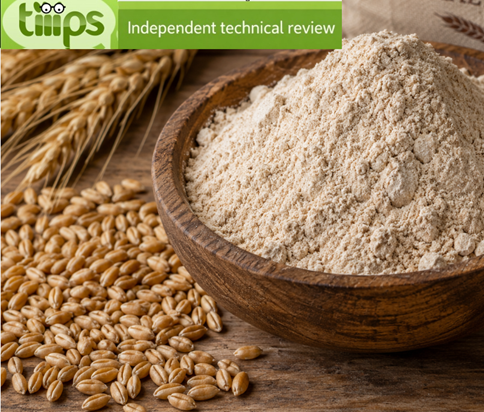
It may be diastatic, when it retains significant enzymatic activity, or non-diastatic when the enzymes have been inactivated by heat treatment.
Diastatic wheat malt flour is usually used in small amounts because excessive amylase activity can make dough too sticky and impair the structure of the finished product.
From a nutritional point of view, it consists mainly of carbohydrates, together with protein, small amounts of fat, vitamins and minerals.
Malting modifies some of the starch and proteins, but does not remove gluten and does not make wheat suitable for people with coeliac disease.
Calories
It provides approximately 340–370 kcal per 100 g, with variations depending on the degree of malting, moisture and product composition.
Allergens
It is derived from wheat and contains gluten. It should be avoided by people with coeliac disease or wheat allergy.
Assessment
A mainly technological ingredient, useful for supporting fermentation, browning and flavour development in baked goods. Its nutritional value remains broadly similar to that of other wheat flours.
Cons: Allergen

