



Emmer wheat flour
Emmer wheat flour is obtained by milling emmer wheat, botanically classified as Triticum turgidum subsp. dicoccum, belonging to the Poaceae family.
It is an ancient tetraploid wheat traditionally cultivated in several areas of the Mediterranean region.
It consists mainly of complex carbohydrates, particularly starch, and also provides a good amount of protein.
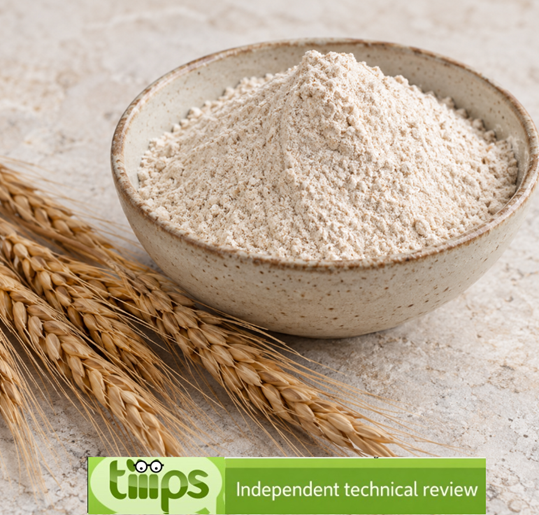
Depending on the degree of refinement, it may contain varying amounts of fibre, B vitamins, magnesium, phosphorus, iron and zinc.
It is used to make bread, pasta, focaccia, biscuits, cakes and other baked goods, to which it gives a characteristic flavour that is generally more aromatic than that of many common wheat flours.
Less refined emmer flours retain a greater proportion of the outer layers of the grain and are therefore richer in fibre and micronutrients.
From a nutritional point of view, emmer wheat has some compositional differences compared with modern wheat varieties, but it should not automatically be considered healthier or more digestible.
It contains gluten proteins and is therefore unsuitable for people with coeliac disease.
Calories
It provides approximately 340–360 kcal per 100 g, with variations depending on the degree of refinement, fibre content and moisture.
Allergens
Emmer is a type of wheat and contains gluten. It should therefore be avoided by people with coeliac disease or wheat allergy.
Assessment
An interesting flour for its aromatic characteristics, agricultural tradition and fibre content when minimally refined, although its nutritional value depends largely on the degree of milling.
Cons: Allergen

