



Oat flakes
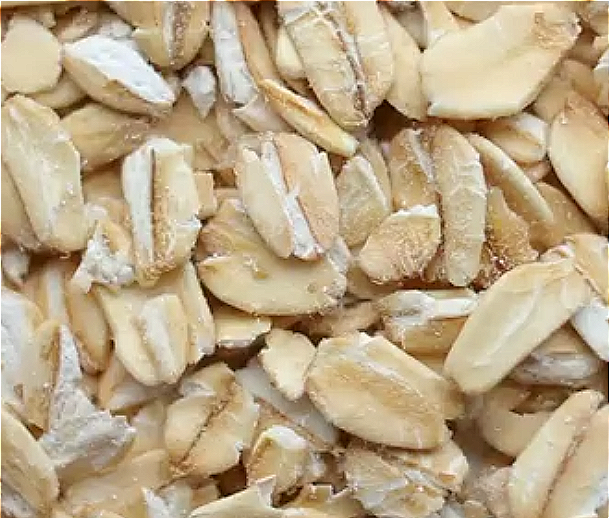
Oat flakes are made from oat grains (Avena sativa, family Poaceae), which are generally dehulled, heat-treated or steamed and then flattened.
They are a good source of complex carbohydrates, fibre, protein and predominantly unsaturated fats, and also provide B vitamins and several minerals.
Of particular interest is their content of beta-glucans, soluble fibres that contribute to the maintenance of normal blood cholesterol levels when consumed in adequate amounts as part of the diet.
Thanks to their fibre content, oat flakes may also contribute to satiety and normal bowel function.
They are commonly used in porridge, muesli, granola, biscuits, bars and baked goods.
Oats contain avenin, a protein naturally found in this cereal. Although pure oats do not contain the main gluten proteins found in wheat, barley and rye, ordinary oat products may become contaminated during cultivation, transport or processing.
People with coeliac disease should therefore choose only products specifically labelled “gluten-free”.
Calories
They provide approximately 370–390 kcal per 100 g, with variations depending on the product and moisture content.
Allergens
Oats are subject to specific allergen declaration requirements in the European Union. Oat flakes that are not certified gluten-free may also contain traces of wheat, barley or rye due to cross-contamination.
Assessment
A nutritionally interesting cereal food due to its good content of fibre, beta-glucans and unsaturated fats, particularly suitable for breakfast and cereal-based preparations.
Cons: Allergen
Studies
The active components are hypolysaccharides of mucilosis (β-glucan), proteins (glutelin and avenin) and flavonoids (1).
It contains a good amount of potassium and vitamin B and is one of the cereals that have a particularly low glycemic index.
Oat has been used for generations as a traditional herbal medicine for the symptomatic treatment of minor skin inflammations (such as sunburn) and is used as an aid in healing minor wounds.
It has been used by traditional medicine as a remedy for some dermatological pathologies, such as dry skin, atopic dermatitis, contact dermatitis and psoriasis.
Oat flakes are produced industrially through a steaming oat cooking process.
Rich in fiber, they carry out an action of containment of harmful LDL cholesterol.

