



Liqueur: characteristics, use as a food ingredient, pros, cons, safety
Liqueur is a sweetened and flavoured spirit drink that can also be used as an ingredient in food products, including confectionery, chocolates, creams, fillings, desserts, ice cream, and baked goods.
In the European Union, Regulation (EU) 2019/787, Annex I, category 33, legally defines the term “liqueur”. A liqueur must have a minimum alcoholic strength of 15% vol. and, in most cases, contain at least 100 g/L of sweetening products expressed as invert sugar. Certain exceptions apply, including at least 70 g/L for some cherry liqueurs and 80 g/L for liqueurs flavoured exclusively with gentian, similar plants, or wormwood.
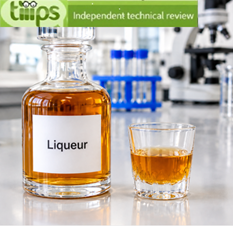
When incorporated into a food, liqueur is therefore a compound ingredient, itself consisting of alcohol, sweetening substances, and aromatic or other food components that vary according to the type of liqueur.
Description
Liqueur is not a single chemical substance and therefore does not have a unique molecular formula, molecular weight, or CAS number.
Its composition may include:
ethyl alcohol of agricultural origin;
distillates of agricultural origin;
one or more spirit drinks;
sugar or other sweetening products;
water;
flavourings;
botanical extracts;
fruit or fruit juices;
herbs and spices;
cocoa;
coffee;
milk or cream in certain types;
other permitted food ingredients.
EU legislation allows liqueurs to be produced using ethyl alcohol of agricultural origin, distillates, or spirit drinks, followed by sweetening and the addition of flavourings, agricultural products, or foodstuffs.
Consequently, products sold under the general designation “liqueur” may be very different from one another, including fruit, herbal, coffee, cocoa, cream, citrus, almond, and many other types.
Manufacturing process
There is no single manufacturing process applicable to all liqueurs.
Production may include:
preparation of the alcohol or distillate base;
maceration of fruit, herbs, spices, or other raw materials;
extraction of aromatic constituents;
filtration;
preparation of sugar syrup;
blending with alcohol;
addition of flavourings or other ingredients;
use of permitted colours where applicable;
adjustment of alcoholic strength with water;
resting or maturation;
final filtration;
bottling.
EU legislation also permits the use of flavouring preparations and flavouring substances, with more specific requirements applying to certain fruit and plant liqueur categories.
When liqueur is used as a food ingredient, it should therefore be assessed according to its actual composition, not merely by the word “liqueur”.
Main compounds present
The quantitatively predominant components are generally:
water;
ethanol;
sugars;
aromatic substances.
Depending on the recipe, the liqueur may also contain:
organic acids;
polyphenols;
terpenes;
aldehydes;
esters;
essential oils;
plant pigments;
proteins and fats in cream- or milk-containing liqueurs;
components derived from fruit, cocoa, coffee, spices, or herbs.
Its chemical profile is therefore highly variable.
Identification data and specifications
| Characteristic | Value | Note |
|---|---|---|
| Designation | Liqueur | legal designation for a category of spirit drinks |
| EU regulatory category | Category 33 | Annex I of Regulation (EU) 2019/787 |
| Food category | spirit drink / compound food ingredient | may be incorporated into other foods |
| Molecular formula | not applicable | multicomponent mixture |
| Molecular weight | not applicable | varies according to composition |
| Minimum alcoholic strength | 15% vol. | requirement for the “liqueur” category |
| Minimum sweetening content | normally 100 g/L expressed as invert sugar | exceptions at 70 and 80 g/L apply |
| Main alcoholic component | ethanol | derived from agricultural alcohol, distillates, or spirit drinks |
| Function in food products | mainly flavouring and organoleptic | may also contribute sweetness, moisture, and alcohol |
| Main legislation | Regulation (EU) 2019/787 | definition, description, presentation, and labelling of spirit drinks |
Properties and behaviour as a food ingredient
| Characteristic | Indicative value | Note |
|---|---|---|
| Physical state | liquid | except for special preparations |
| Main volatile component | ethanol | amount varies |
| Solubility | generally compatible with aqueous systems depending on composition | alcohol and water normally form the main phase |
| Sweetness | generally high | characteristic of the legal category |
| Flavour profile | highly variable | depends on the type of liqueur |
| Behaviour during heating | part of the ethanol evaporates | residual amount depends on processing |
| Energy contribution | significant when used in substantial amounts | mainly from ethanol and sugars |
| Microbiological stability | generally good in the original liqueur | may change after incorporation into food |
| Formulation compatibility | broad | used in creams, doughs, chocolate, desserts, and fillings |
Use in food products
Liqueur is mainly used to provide a distinctive flavour and aroma.
It is commonly found in:
pralines and filled chocolates;
chocolate products;
cakes;
biscuits;
sponge cakes;
creams;
fillings;
tiramisu and other desserts;
ice cream;
semifreddo;
syrups;
pastry products.
It can perform several technological and sensory functions at the same time:
provide aroma;
contribute the characteristic notes of the specific liqueur;
add sweetness;
modify the consistency of creams or fillings;
contribute to the liquid phase;
supply ethanol.
However, when an actual liqueur is used, it should not simply be classified as a flavouring in the strict regulatory sense: it is a compound food ingredient, even when its main purpose is to provide flavour.
Alcohol in the finished product
When liqueur is used in a food that undergoes cooking or baking, part of the ethanol may evaporate.
It is not correct, however, to state that the alcohol always disappears completely.
The amount remaining depends on:
initial quantity of liqueur;
alcoholic strength;
temperature;
duration of cooking;
exposed surface area;
whether the product is covered or uncovered;
stage at which the liqueur is added;
water and fat content of the food.
In uncooked products, such as certain chocolates, creams, desserts, or ice creams, a substantial proportion of the alcohol may remain in the finished food.
Labelling when used as an ingredient
Regulation (EU) 2019/787 expressly allows the legal names of spirit drinks to appear in the ingredient list of other food products, provided that the list complies with Articles 18–22 of Regulation (EU) No 1169/2011.
Therefore, the designation “liqueur”, or the legally appropriate specific designation of the liqueur used, may appear in the list of ingredients.
Regulation (EU) No 1169/2011 requires ingredients to be listed in descending order of weight as recorded at the time of their use in the manufacture of the food.
Allergens
The composition of the liqueur must also be known in order to identify any allergens.
Certain liqueurs may contain, for example:
milk or cream;
tree nuts;
eggs;
other allergenic ingredients.
Allergens listed in Annex II of Regulation (EU) No 1169/2011 that remain present in the finished product must be declared and clearly emphasised in the ingredient list.
It is therefore not sufficient to know only that a food contains “liqueur”: a correct assessment of composition and allergens requires knowing which liqueur was used and what it contains.
Use of the liqueur name in the name or presentation of the food
EU legislation also regulates situations in which the name of a spirit drink is highlighted in the designation or presentation of another food.
For a food product other than an alcoholic beverage, an allusion to the legal name of a spirit drink is permitted provided that the alcohol used in the preparation of the food comes exclusively from the spirit drink referred to, except for alcohol that may be present in flavourings, colours, or other authorised ingredients.
This is relevant, for example, to products presented as:
liqueur chocolates;
liqueur cake;
liqueur cream;
desserts containing a specific liqueur.
Pros
It provides a complex aromatic profile through a single compound ingredient.
It can contribute flavours derived from fruit, herbs, spices, cocoa, coffee, or other raw materials.
It is particularly useful in pastry and chocolate production.
It can simultaneously contribute flavour, sweetness, and liquid content.
It can strongly characterize the sensory profile of the finished product.
The use of the legal designation “liqueur” as an ingredient is specifically provided for under EU legislation.
Its composition can be adapted to many different food applications.
Cons
It contains ethanol.
It normally contains a significant amount of sugar.
It does not have a standardized nutritional composition.
Alcohol does not necessarily disappear completely during cooking.
The presence of ethanol may be undesirable in foods intended for certain groups of consumers.
It may introduce allergens depending on the specific recipe.
Some liqueurs contain colours, flavourings, or other ingredients that must be considered when assessing the finished food.
The simple designation “liqueur” does not reveal the type, alcoholic strength, allergens, or complete composition.
Its sugar and alcohol content can significantly increase energy intake when used in substantial quantities.
Safety and regulation
Liqueur is a legally defined food product and is not inherently problematic when used appropriately as an ingredient.
The main factor to consider from a nutritional and safety perspective is the presence of ethanol.
Actual exposure depends on the quantity of liqueur used and on the amount of alcohol remaining in the finished product. In baked or cooked foods, alcohol levels may be substantially reduced, whereas in uncooked products a considerably higher proportion may remain.
A second relevant factor is the sugar content, since sweetening is an essential legal characteristic of the liqueur category.
EU legislation
The principal legal reference is Regulation (EU) 2019/787.
For category 33, a liqueur must:
have an alcoholic strength of at least 15% vol.;
contain the required minimum amount of sweetening products;
be produced using permitted alcoholic raw materials;
be sweetened;
contain flavourings, agricultural products, or foodstuffs under the conditions laid down in the Regulation.
The same Regulation also specifically governs the use of spirit drink names in the labelling and presentation of foods that are not themselves spirit drinks.
The ingredient list, allergen declaration, and quantitative ingredient indications are additionally governed by Regulation (EU) No 1169/2011.
For a proper assessment of liqueur used as a food raw material, it is advisable to know:
exact legal designation;
brand/type, where relevant;
alcoholic strength;
quantity used in the recipe;
sugar content;
complete composition;
flavourings;
colours;
additives;
allergens;
any characterising ingredients;
residual alcohol content in the finished product, where relevant.
Conclusion
Liqueur, when incorporated into a food product, is a compound alcoholic, sweetened, and flavoured ingredient used mainly to provide characteristic taste and aroma.
In the European Union, the designation is legally defined: liqueur belongs to category 33 of spirit drinks, must contain at least 15% vol. alcohol, and, except for specific exceptions, at least 100 g/L of sweetening products expressed as invert sugar.
Its legal name may be used in the ingredient list of food products in accordance with the general food-labelling rules.
Liqueur can be considered a functionally useful food ingredient, particularly for its aromatic and organoleptic contribution, but its assessment must take into account the specific composition of the liqueur used, because alcoholic strength, sugar content, flavourings, additives, and allergens can vary considerably between products.
The main points to verify are therefore type of liqueur, quantity used, residual alcohol, sugar content, allergens, and correct declaration in the ingredient list.

