



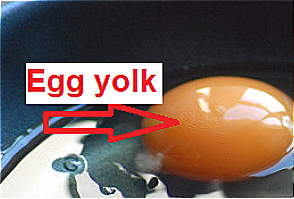
Fresh egg yolk
(from Gallus gallus domesticus)
Description
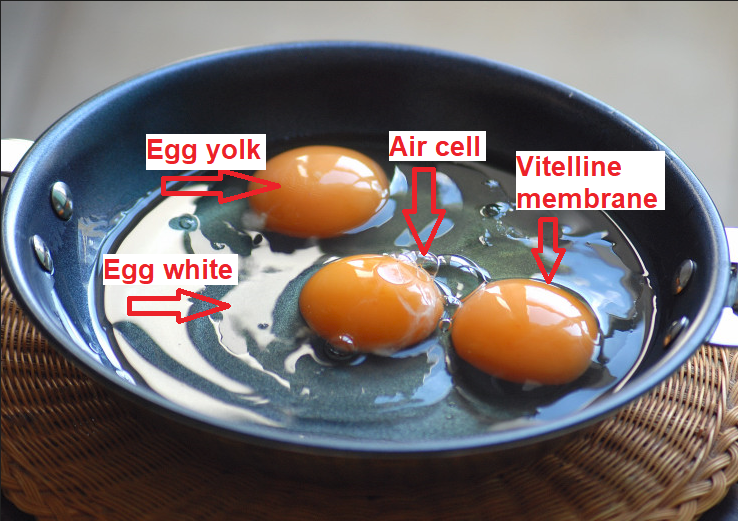
• Lipoprotein fraction of the egg, a natural emulsion of water, lipids, phospholipids, and proteins enclosed by the vitelline membrane.
• Provides intense yellow colour, rich flavour, emulsifying capacity, and heat-induced coagulation to recipes and formulations.
• Widely used in mayonnaise and sauces, pastry and ice cream, egg pasta, batters/coatings, and culinary preparations.
Indicative nutrition values (per 100 g raw yolk)
• Energy: 300–325 kcal
• Protein: 15–17 g
• Fat: 26–28 g
• SFA (first occurrence: saturated fatty acids; moderate intake advised): ~8–9 g
• MUFA (first occurrence: monounsaturated fatty acids; generally favourable when balanced): ~11–12 g
• PUFA (first occurrence: polyunsaturated fatty acids, mainly n-6): ~4–5 g
• Carbohydrate: ~3 g
• Cholesterol: 1000–1100 mg
• Intrinsic sodium: ~45–55 mg
• Micronutrients: vitamins A, D, E, K, B2, B12, folate, choline; phosphorus, iron, zinc, selenium.
Key constituents
• Lipoproteins (lipovitellin, livetin) and phosvitin: bind lipids and minerals; contribute to emulsification and stability.
• Phospholipids (lecithin, cephalin): strong natural emulsifiers.
• Triglycerides and minor fractions (mono-/di-glycerides, cholesterol).
• Carotenoids (lutein, zeaxanthin): colour and antioxidant action.
• Fat-soluble vitamins and choline.
Production process
• Breaking and separation of eggs → isolation of intact yolks.
• Optional pasteurization of liquid yolk for industrial use.
• Filtration/homogenization and packing chilled or frozen; for stabilized products: possible high pasteurization or technical sugaring/salting where applicable.
Physical properties
• Appearance: viscous golden-yellow fluid; density ~1.02–1.06 g/mL.
• pH: 6.0–6.8.
• High emulsifiability; coagulation begins ~65–70 °C, forming a compact gel.
Sensory & technological properties
• Emulsifier/stabilizer (mayonnaise, sauces) via lecithin.
• Coagulates/gelifies on heating (custards, curd, flan).
• Contributes colour, gloss (egg-wash), and Maillard aroma in baking.
• Synergies with sugars and starches for pastry/ice-cream texture; with oils/fats for stable emulsions.
Food applications
• Sauces/condiments (mayonnaise, hollandaise).
• Pastry/ice cream (custards, zabaglione, rich ice creams).
• Egg pasta/gnocchi, batters and binders.
• Baked goods (surface glazing, colour, structure).
Nutrition & health
Egg yolk provides complete proteins, mostly unsaturated fats, fat-soluble vitamins, and choline (supportive of liver and lipid metabolism). Lutein/zeaxanthin are linked to eye health. Cholesterol content is high, yet in many healthy individuals the impact on blood lipids is modest when intake is moderate and part of a balanced diet (seek medical advice in hypercholesterolemia or where prescribed).
• For a lighter profile, pair with MUFA/PUFA-rich oils, and limit added salt and sugars.
• Pasteurization reduces microbiological risk while preserving most nutritional value.
Portion note: home cooking 1 yolk (≈18 g); industrial sauces 8–12% of total phase; pastry 10–20% on flour/milk weight depending on recipe.
Allergens & intolerances
• Egg is a major allergen (EU Reg. 1169/2011). Yolk proteins (e.g., vitellogenins/lipovitellins) can be allergenic, though the most reactive fraction often involves egg white.
• Not suitable for individuals with egg allergy; reactions can range from mild to anaphylaxis.
• Cross-contact with egg white during processing must be controlled under GMP/HACCP with validated cleaning.
• Clearly label “egg/egg derivatives” and apply precautionary statements per regulation when relevant.
Quality & specifications (typical topics)
• Freshness indices (source eggs), pH, colour (yellowness scales).
• Microbiology: pathogens absent/25 g; low total counts.
• Residues/contaminants compliant with MRL; free from foreign matter.
• For liquid yolk: emulsion stability, coagulation capacity, and viscosity to spec.
Storage & shelf-life
• Fresh: 0–4 °C, away from light/oxygen; use promptly.
• Pasteurized liquid: 0–4 °C; typically 3–7 days (follow label).
• Frozen: ≤ −18 °C; 6–12 months (thaw under refrigeration). Avoid refreezing.
Safety & regulatory
• Produced and used under EU Reg. 852/2004 and 853/2004; full lot traceability.
• Processes under GMP/HACCP; for RTE items, control Listeria and Salmonella.
• Strict raw/ready segregation and hygienic tools/surfaces.
Labeling
• Ingredient name (egg yolk; pasteurized yolk if applicable).
• Mandatory allergen declaration; storage and date code (BBD/expiry).
• For semi-finished goods: any processing aids (technical sugar/salt) and directions for use.
Troubleshooting
• Unstable emulsions → insufficient aqueous phase/lecithin or inadequate shear → rebalance phases, increase shear gradually, control pH.
• Premature coagulation → excessive temperature → work below 65 °C in sauces/custards; use bain-marie.
• Rancid notes → lipid oxidation → oxygen-barrier packaging, natural antioxidants (e.g., tocopherols).
• Faded colour → carotenoid oxidation → protect from light/oxygen.
Sustainability & supply chain
• Sourced from traceable, welfare-compliant chains; shells/membranes can be valorised.
• Plants manage effluents to BOD/COD targets, recover heat, and use recyclable packs.
INCI functions (cosmetics)
• Egg Yolk / Lecithin / Hydrolyzed Egg Protein — emollient, skin-conditioning, film-forming; use per cosmetic regulation and tolerability profiles.
Conclusion
Egg yolk is a natural emulsifier and nutrient-rich ingredient delivering technological functionality (emulsion, gelation, colour) and nutritional value. Proper temperature, hygiene, and formulation control enable stable, safe, and sensorially pleasing products.
Mini-glossary
• SFA — saturated fatty acids; excessive intake should be moderated.
• MUFA — monounsaturated fatty acids; generally supportive of a healthier lipid profile.
• PUFA — polyunsaturated fatty acids (n-6/n-3); balance matters for health.
• MRL — maximum residue limit for contaminants/residues.
• GMP/HACCP — good manufacturing practice / hazard analysis and critical control points.
• BOD/COD — biochemical/chemical oxygen demand; effluent impact indicators.
Studi
Egg yolk is composed of 70% lipids and 30% proteins. It contains carotenoids such as zeaxanthin and lutein, vitamins.
Egg yolk has a high content of cholesterol and saturated fatty acids, which can promote cardiovascular disease. One egg yolk contains between 200 mg and 300 mg of cholesterol/100 g (1).
Egg yolk can increase the risk of microbial contamination and reduce the shelf life of products (2) ; for this reason, there is more interest in introducing new emulsifiers as alternatives to egg yolk. Some suitable options are hydrocolloids and polysaccharides (3).
Hen egg yolk has been studied and the effects of its antibodies on the immune responses of the intestinal mucosa of laboratory animals with Salmonella typhimurium have been determined. The results suggest a positive immune response (4).
Oral administration of hen's egg yolk influenced behaviour and cognitive functions in young and aged rats. It primarily led to mitigating the behavioural symptoms of aging and supported cognitive and memory learning in rats of both age groups (5).

