



Emmer wheat: properties, uses, pros, cons, safety
Emmer wheat ( Triticum dicoccum , family Poaceae ) is one of the “ancient” wheat species that is gaining interest due to suggested health benefits reported in the literature and good suitability for cultivation systems, including organic agriculture. In several parts of the world, traditional foods made with emmer are appreciated for flavor, texture, and overall sensory performance.
From a nutritional standpoint, it is described as rich in bioactive compounds; moreover, its starch has been reported as slowly digestible, with potential implications for glycemic response within broader dietary patterns. The amount and composition of bioactive compounds can vary substantially depending on geographic location, seasonality, cultivar, and the analytical methods used.
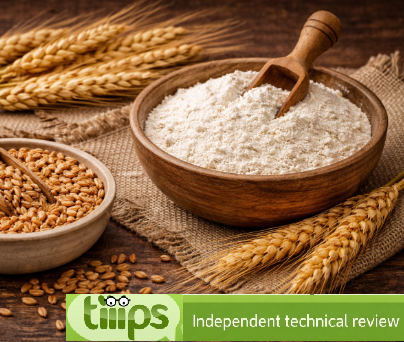
Table 1. Identification data and specifications (indicative)
| Characteristic | Data |
|---|---|
| Common names | Emmer wheat, farro dicocco |
| Botanical name | Triticum dicoccum |
| Botanical family | Poaceae |
| Type | Annual cereal; caryopsis (grain) often hulled |
| Parts of interest | Caryopsis (endosperm, bran, germ) |
| Main commercial forms | Dehulled grain, flour, milled fractions, pasta and baked goods |
| Chemical-physical properties (indicative) | Powdery material when milled; technological behavior depends on particle size distribution, protein content, and flour quality |
| Energy value (indicative, 100 g of flour/dry grain) | About 340–370 kcal (varies with moisture and degree of refining) |
Raw material characteristics
The caryopsis contains mainly starch, a variable fraction of proteins, and fibrous and micronutrient components that are more represented in wholegrain fractions (bran/germ). Emmer starch has been reported to include a portion with slower digestibility compared with some other cereal products; this depends on starch structure, degree of refining, processing (e.g., drying/extrusion), and the overall food matrix.
The profile of bioactive compounds is described as relevant, but with strong variability linked to origin, growing season, cultivar, and measurement methodology.
Table 2. Key constituents and compositional profile (indicative)
| Characteristic | Data |
|---|---|
| Carbohydrates | Starch as the predominant fraction; reports of slowly digestible starch (process- and matrix-dependent) |
| Proteins | Wheat proteins (gluten-forming) with a variable profile; impact on dough structure and sensory quality |
| Lipids | Generally a limited lipid fraction, but present mainly in the germ; includes SFA (saturated fatty acids), MUFA (monounsaturated fatty acids), and PUFA (polyunsaturated fatty acids) with variable proportions |
| Micronutrients | Minerals and B vitamins with levels depending on cultivar and refining (wholegrain vs refined) |
| Bioactive compounds | Polyphenols (e.g., phenolic acids) and other antioxidants; total content and qualitative profile vary with geography, season, cultivar, and analytical method |
| Application evidence in pasta | In one study, spaghetti containing Triticum dicoccum showed higher protein, fat, antioxidant activity, and total phenolic content than samples containing Triticum monococcum |
| Fermentation effect | Sourdough fermentation was reported to have a positive impact on nutraceutical and functional properties of Triticum dicoccum |
Main uses
Food: used in bread, baked goods, pasta (including spaghetti), and flour/semolina-based preparations; dehulled grain can be used in soups and salads. Technological and nutritional interest depends on flour choice (wholegrain vs refined), recipe, and processing (mixing, extrusion, drying, fermentation). For the food chain, GMP (good manufacturing practice) and HACCP (hazard analysis and critical control points) requirements are central throughout milling, processing, and packaging.
Cosmetics: some wheat-derived ingredients (for example hydrolyzed proteins or extracts) may be used to contribute to sensory feel and conditioning of skin or hair, depending on purity, standardization, and the supplier’s technical substantiation.
Industrial use: starch and protein fractions, when obtained as specific, standardized ingredients, can be used as functional bases (thickeners/binders) in technical applications.
Cultivation
Emmer is often considered attractive for lower-input systems and organic agriculture, but yield and grain quality depend on cultivar, pedoclimatic conditions, and agronomic management. Harvest and post-harvest steps are important, with control of moisture and proper storage to reduce spoilage and contamination risks.
Environmental and safety considerations
Environmental impact: overall impact depends on irrigation, fertilization, plant protection management, and processing steps. Controlled supply chains and efficient agronomic practices help contain inputs and waste while maintaining stable raw material quality.
Safety: Triticum dicoccum is an allergen for individuals with wheat allergy and is not suitable for people with celiac disease or gluten sensitivity, as it contains gluten-related proteins. In food applications, contaminant controls (e.g., mycotoxins) and shelf-life management via appropriate storage conditions remain essential. In cosmetics, the use of derivatives requires assessment of purity and irritation/sensitization potential for the specific raw material.
Mini-glossary
SFA: saturated fatty acids; excessive intake is associated with less favorable lipid profiles, while moderate amounts can fit within a balanced diet.
MUFA: monounsaturated fatty acids; generally associated with more favorable lipid profiles than SFA within an overall balanced diet.
PUFA: polyunsaturated fatty acids; include nutritionally useful families, but are more prone to oxidation and require good storage practices.
GMP: good manufacturing practice; organizational and technical requirements to produce under controlled and reproducible conditions.
HACCP: hazard analysis and critical control points; a food safety management system based on hazard analysis and control of critical points.
Studies
Spaghetti containing Triticum dicoccum showed higher levels of proteins, fats, antioxidant activity, and total phenolic content compared to samples containing Triticum monococcum (1), and sourdough fermentation had a positive impact on the nutraceutical and functional properties of Triticum dicoccum (2), while bearing in mind that the content and composition of bioactive compounds vary depending on geographic location, seasonal variations, and cultivation methods (3).

