



Epilobio estratto secco (Epilobium parviflorum)
Descrizione
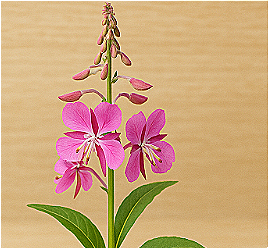
L’estratto secco di epilobio è ottenuto principalmente da Epilobium parviflorum, pianta erbacea perenne appartenente alla famiglia Onagraceae, diffusa in Europa e in altre aree a clima temperato. L’estratto secco rappresenta una forma concentrata e standardizzata dei costituenti fitochimici presenti nella pianta, consentendo un impiego più preciso, stabile e riproducibile rispetto al materiale vegetale non trasformato.
 |  |
Dal punto di vista compositivo, l’estratto secco di epilobio contiene una combinazione di polifenoli, flavonoidi, tannini ellagici (in particolare oenoteina B), acidi fenolici e mucillagini, che ne definiscono il profilo funzionale. Questi componenti sono alla base dell’interesse applicativo dell’estratto in formulazioni orientate all’equilibrio fisiologico e alla protezione dei tessuti.
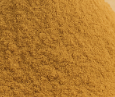
Grazie alla forma secca, l’estratto offre maggiore stabilità chimica, facilità di stoccaggio e compatibilità con diverse tipologie di formulazioni, risultando particolarmente adatto all’uso come ingrediente funzionale in ambito nutraceutico, cosmetico e tecnico. La standardizzazione del contenuto fitochimico permette inoltre una migliore costanza qualitativa nei prodotti finiti.
Nome INCI / Nome tecnico:
INCI: Epilobium Parviflorum Extract
Nome tecnico: Epilobio estratto secco
Numero CAS: 90028-31-2 (Numero associato agli estratti vegetali di Epilobium spp.)
Numero EC: 289-821-5
Scomposizione del nome e funzione dei componenti
Epilobium: genere botanico della pianta da cui si ottiene l’estratto
parviflorum: specie botanica di riferimento, comunemente utilizzata nelle preparazioni a base di epilobio
Estratto secco: forma concentrata ottenuta mediante eliminazione del solvente di estrazione, che migliora stabilità, conservabilità e precisione di utilizzo
I diversi componenti fitochimici contribuiscono alle proprietà funzionali dell’estratto e ne giustificano l’impiego in formulazioni specialistiche.
Classificazione botanica (sistema APG IV)
| Categoria | Dato |
|---|---|
| Nome comune | epilobio |
| Nome botanico | Epilobium spp. |
| Regno | Plantae |
| Clade | angiosperme → eudicotiledoni |
| Ordine | Myrtales |
| Famiglia | Onagraceae |
| Genere | Epilobium |
| Specie più utilizzate | Epilobium angustifolium L. (≡ Chamerion angustifolium), Epilobium parviflorum Schreb. |
Caratteristiche dell’estratto secco
| Parametro | Specifica |
|---|---|
| Parte di pianta utilizzata | parti aeree |
| Forma fisica | polvere fine |
| Colore | marrone chiaro – marrone |
| Metodo di estrazione | estrazione acquosa o idroalcolica con successiva essiccazione |
| Rapporto di estrazione | variabile (es. 4:1 – 10:1) |
| Solubilità | parzialmente solubile in acqua |
Valori nutrizionali indicativi per 100 g (estratto secco)
Valori medi indicativi; l’estratto è utilizzato in quantitativi molto inferiori.
| Componente | Valore medio |
|---|---|
| Energia | ~ 230–280 kcal |
| Carboidrati totali | ~ 40–50 g |
| Fibra alimentare | ~ 25–35 g |
| Proteine | ~ 8–10 g |
| Lipidi totali | ~ 1–3 g |
| Ceneri | ~ 7–11 g |
Nota sull’uso nutrizionale e composti bioattivi
Alle dosi di impiego tipiche negli integratori alimentari (generalmente 250–1000 mg/die), l’apporto calorico è trascurabile.
L’interesse nutrizionale dell’estratto secco di Epilobio è funzionale, legato soprattutto al profilo di composti bioattivi, più che ai macronutrienti.
Principali composti bioattivi presenti:
Ellagitannini: oenoteina B (marcatore caratteristico del genere Epilobium)
Polifenoli: acido gallico, clorogenico, caffeico ed ellagico
Flavonoidi: quercetina, miricetina, kaempferolo e relativi glicosidi
Tannini: responsabili di attività astringenti e antiossidanti
Acidi fenolici: con contributo all’attività antiossidante
Questi composti sono studiati per attività antinfiammatorie, antiossidanti e di supporto funzionale, in particolare a livello urinario e prostatico.
Applicazioni mediche (tradizionali e di interesse scientifico)
| Ambito | Applicazione |
|---|---|
| Fitoterapia tradizionale | Supporto al benessere delle vie urinarie |
| Funzione prostatica | Uso tradizionale per il mantenimento della funzionalità prostatica |
| Attività antinfiammatoria | Studiata in relazione ai polifenoli e all’oenoteina B |
| Attività antiossidante | Elevato contenuto in composti fenolici |
| Uso digestivo tradizionale | Impiego in infusi per disturbi lievi |
Nota: gli impieghi medici rientrano in ambito tradizionale o sperimentale e non sostituiscono terapie farmacologiche.
Applicazioni cosmetiche
| Ambito cosmetico | Funzione |
|---|---|
| Cura della pelle | Proprietà lenitive e antiossidanti |
| Cosmetici riequilibranti | Utilizzo in prodotti per pelli impure o sensibili |
| Prodotti anti-age | Supporto alla protezione dallo stress ossidativo |
| Cosmetici naturali | Ingrediente vegetale funzionale |
Principali funzioni INCI:
Skin conditioning
Soothing
Antioxidant
Protecting
Applicazioni industriali
| Settore | Applicazione |
|---|---|
| Industria nutraceutica | Integratori alimentari in capsule, compresse e polveri |
| Industria erboristica | Produzione di estratti secchi e miscele fitoterapiche |
| Cosmetica industriale | Ingrediente funzionale in formulazioni naturali |
| Ricerca farmaceutica | Studio dei composti fenolici e tannici |
| Industria alimentare | Uso limitato come ingrediente funzionale |
Impatto ambientale
L’estratto secco di epilobio è considerato a basso impatto ambientale, in quanto derivato da una materia prima vegetale rinnovabile. Non è classificato come pericoloso per l’ambiente. Un profilo ambientale favorevole è garantito quando la coltivazione, la raccolta e la trasformazione della pianta avvengono nel rispetto delle buone pratiche agricole e produttive, con una gestione responsabile delle risorse e dei residui di lavorazione.

