



Pine nuts (Pinus pinea)
Description
The pine nut is the edible seed of various pine species, most notably the stone pine or Italian stone pine (Pinus pinea), which is characteristic of Mediterranean landscapes. The seeds develop inside the cones (female woody cones), which need several years to fully mature. Once mature, the cone scales open and release the seeds, each of which is protected by a hard shell. Inside this shell lies the ivory-white kernel that we know as the pine nut.
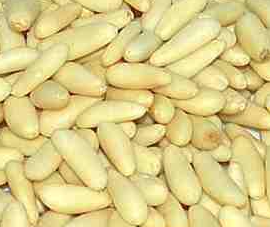
Mediterranean pine nuts are elongated, with a slightly tapered shape at the ends, a smooth surface, and a creamy ivory color. Their texture is tender yet crunchy, with a high lipid content that gives a rich, oily, almost buttery mouthfeel. The flavor is delicately sweet, with nutty notes and a faint resinous background typical of conifer seeds.
In the Mediterranean region, pine nuts are a traditional high-value ingredient used for centuries in both sweet and savory dishes: pesto sauces, stuffings, festive pastries, meat and fish preparations, vegetable dishes and salads. Their high energy density and richness in unsaturated fats, along with valuable micronutrients, place pine nuts among the more nutritionally concentrated tree nuts and seeds.
Botanical classification
Common name: Pine nut
Clade: Pinophyta
Order: Pinales
Family: Pinaceae
Genus: Pinus
Species: Pinus pinea L.
(The pine nut is the edible seed of the stone pine, Pinus pinea.)
Climate
The stone pine, from which pine nuts are obtained, prefers the warm temperate Mediterranean climate, with long, dry, sunny summers and mild winters. It tolerates dry periods and high temperatures well, while it is less suited to cold, persistently humid climates. Short frosts can be tolerated, but severe and repeated freezing may damage young plants and reduce cone and seed production.
Exposure
The ideal exposure is full sun, which promotes balanced crown development and good production of cones containing pine nuts. In shaded positions growth is slower and seed yield can be poor. Stone pine adapts well to coastal sites exposed to wind and salt spray.
Soil
Stone pine adapts to different soil types, but grows best in light or medium–textured, sandy or sandy–loam soils that are well drained and often low in organic matter. It prefers soils with a slightly acidic to subalkaline reaction and tolerates moderate salinity, which is why it is common along coasts. Waterlogged and poorly aerated soils are unsuitable and can hamper root development.
Irrigation
In open ground under Mediterranean conditions, mature trees generally do not need regular irrigation and rely on natural rainfall, thanks to their deep and extensive root system. In the establishment phase, however, it is useful to provide periodic watering to ensure good rooting. In intensive plantings or in particularly arid areas, emergency irrigation can be carried out during prolonged drought, allowing the soil to dry between waterings.
Temperature
The optimal temperature range for growth is generally between 15 and 28 °C. Stone pine withstands summer heat and strong sunlight well, whereas very low and persistent temperatures, especially below 0 °C, can damage young plants in particular. Mature trees are more resistant, but heavy cone production may be reduced after exceptionally cold winters.
Fertilization
Stone pine is relatively undemanding in terms of soil fertility. In very poor soils, moderate applications of well–matured organic matter or slow–release fertilizers can be beneficial, especially in the early growth stages. Excessive fertilization is not helpful and may encourage overly soft growth that is more sensitive to abiotic stress and pests or diseases.
Crop care
Crop care is generally limited. In the early years it is important to keep the area around the collar free of weeds and to ensure good protection from trampling or mechanical damage. Pruning is usually restricted to removing dead or hazardous branches and, if needed, small crown–shaping interventions for safety or landscape reasons. In specific situations it is advisable to monitor for pests or diseases and intervene in a targeted way when necessary.
Harvest
Pine nuts are obtained from the mature cones of stone pine. Cones are harvested when they are fully developed and close to natural opening; they are then dried to facilitate seed release. The pine nuts are then extracted, freed from their hard shell and, if necessary, graded and stored in suitable conditions to preserve aroma and quality.
Propagation
Propagation is mainly by seed. Seeds extracted from mature cones can be sown in containers or seedbeds filled with a light, well–drained substrate. Germination is usually good if seeds are fresh and well stored. Young plants are kept in the nursery until they reach a suitable size for final planting in the field, taking into account the future width of the crown and the spread of the root system.
Indicative nutritional values per 100 g
(Shelled, unsalted pine nuts – average values)
Energy: ~ 670–680 kcal
Water: ~ 2–3 g
Proteins: ~ 13–14 g
Total fats: ~ 68–69 g
of which saturated fats (SFA): ~ 5 g
of which monounsaturated fats (MUFA, mainly oleic acid): ~ 18–20 g
of which polyunsaturated fats (PUFA, mainly n-6 linoleic with a smaller n-3 fraction): ~ 34–35 g
Total carbohydrates: ~ 13 g
sugars: ~ 3–4 g
dietary fiber: ~ 3–4 g
Minerals (approximate per 100 g):
magnesium: ~ 250 mg
phosphorus: ~ 570–580 mg
potassium: ~ 600 mg
zinc: ~ 6–11 mg
manganese: very high
Vitamins:
significant amounts of vitamin E (tocopherols)
B-group vitamins (especially niacin, thiamine)
traces of vitamin K and other micronutrients
Values vary according to pine species, geographic origin, moisture content and analytical reference.
Key constituents
Lipids: main component (~ 60–70% of dry weight), rich in monounsaturated (MUFA) and polyunsaturated (PUFA) fatty acids; oleic acid (ω-9) and linoleic acid (ω-6) predominate, with a smaller fraction of α-linolenic acid (ω-3)
Proteins: around 13–14%, with a decent level of essential amino acids, making pine nuts useful as a plant protein source
Carbohydrates: moderate amount, including dietary fiber that supports intestinal transit
Fat-soluble vitamins: particularly vitamin E (tocopherols) with antioxidant function
Water-soluble vitamins: B vitamins in varying amounts (e.g. niacin, thiamine, folates)
Minerals: notable levels of magnesium, phosphorus, zinc, manganese, plus potassium
Phytochemicals: small amounts of phenolic compounds and minor antioxidants
Production process
Cone collection
mature cones of stone pine are harvested, often while still closed, to prevent spontaneous opening and seed loss
Drying and opening
cones are dried (traditionally in the sun or in controlled dryers) until scales open and release the seeds
Seed separation
seeds are mechanically separated from cone fragments, dust and debris
Shelling
seeds are subjected to mechanical shelling to remove the hard shell and free the inner kernel
Selection and grading
kernels are sorted by size, color and integrity; damaged or defective nuts are removed
Final drying and packing
a mild drying step may be applied to reduce residual moisture
nuts are then packed, often under protective atmosphere or in packaging designed to limit oxidation and rancidity
Physical properties
elongated, slender shape with an oval cross-section
typical size: a few millimetres in diameter, about 1–2 cm in length (for Mediterranean pine nuts)
ivory or cream color, sometimes slightly darker at the tips
soft-crunchy texture, with a distinct oily feel when chewed
high density, as pine nuts are rich in dry matter and lipids
Sensory and technological properties
flavour: delicate, sweet-nutty, with mild resin-like notes and a buttery impression
aroma: moderate but distinctive, enhanced by toasting
texture: pleasantly tender, becoming more crunchy after light roasting
technological role in cooking:
combination of fats, proteins and sugars supports browning and formation of complex aromas during cooking
good mouthfeel, adding texture contrast in sauces, salads, main dishes and baked goods
Food applications
essential ingredient in pesto alla genovese (with basil, olive oil, cheese and garlic)
used in sauces and dressings for pasta, fish and vegetable dishes
component of savory fillings (stuffed vegetables, timbales, meat rolls)
traditional pastry ingredient in cakes, tarts and biscuits (e.g. “pinolata”)
sprinkled over salads, grain dishes and composite meals to increase energy density and sensory richness
consumed as a snack (raw or lightly toasted), often combined with other nuts and seeds
Nutrition and health
Pine nuts are a high-energy food, dense in unsaturated fats, plant proteins and micronutrients. When consumed in appropriate amounts, they can contribute positively to a balanced diet:
monounsaturated and polyunsaturated fats (MUFA and PUFA) are generally considered more favorable for blood lipid profiles than saturated fats, when part of an overall balanced diet
high levels of magnesium, phosphorus, zinc and manganese support numerous enzymatic, muscular and metabolic functions
vitamin E and other antioxidants contribute to protecting cells and tissues from oxidative stress
plant proteins provide useful amino acids and complement other protein sources
fiber supports intestinal function and promotes satiety
On the other hand:
pine nuts are very calorie-dense, so portion control is important in weight-management contexts
excessive intake can unbalance daily energy and fat intake, even if the lipids are of good quality
in some cases (more often linked to non-Mediterranean species), the so-called “pine mouth” phenomenon has been described: a temporary taste disturbance with a bitter/metallic sensation after eating certain batches of pine nuts; although not dangerous, it can be unpleasant and may last a few days
Portion note
A reasonable daily portion of pine nuts is usually 10–20 g (about 1–2 tablespoons), depending on the overall diet and calorie needs. In pesto and similar condiments, the individual portion of pine nuts is often smaller, because they are only one component of the sauce.
Allergens and intolerances
pine nuts are practically treated as tree nuts and can trigger allergic reactions in sensitive individuals, similar to those caused by other nuts (hazelnuts, walnuts, almonds, etc.)
cross-reactivity among different tree nuts is possible; people with known nut allergy should be cautious and follow medical advice
no specific enzymatic intolerances are typical, but the high fat content can be poorly tolerated by individuals with fat-related digestive disorders
Storage and shelf-life
Because of their high content of unsaturated fats, pine nuts are prone to oxidation and rancidity if stored improperly:
store in a cool, dry place, protected from light and heat
once opened, transfer to a well-sealed container, ideally kept in the refrigerator or even in the freezer to extend shelf-life and limit oxidation
at room temperature, optimal quality may last a few months; refrigerated or frozen storage preserves aroma and flavor for longer
a pronounced rancid smell or taste indicates lipid degradation: such product should not be consumed
Safety and regulatory
Pine nuts are considered safe as a food when integrated into a balanced diet. Main aspects:
risk of tree nut allergy, which can lead to severe reactions in susceptible individuals
quality of raw material (pine species, origin, absence of physical, chemical and microbiological contaminants)
appropriate management of shelling and packing processes to minimise foreign bodies and maintain hygienic standards
compliance with general food safety regulations, including allergen labelling, contaminant limits and HACCP-based controls
Labeling
For pine nut products, labels should normally include:
product name: e.g. “pine nuts”, “roasted pine nuts”
ingredient list (for composite products); for pure pine nuts often just “pine nuts”
allergen declaration: typically highlighted as “tree nuts: pine nuts” or equivalent wording, according to local regulations
net weight
country of origin or region, where required
storage instructions after opening
minimum durability date (“best before…”) or expiry date, as applicable
Troubleshooting
In the kitchen
rancid or “off” taste → likely lipid oxidation; check date and storage conditions, discard the product
pine nuts burn easily when roasting → use low to medium heat, stir frequently, remove from the pan as soon as they turn lightly golden
overly intense or fatty effect in a dish → reduce the amount used or add pine nuts as a final garnish rather than in the bulk of the sauce
pesto with excessive oil separation → adjust ratios of pine nuts, oil, cheese and cooking water; in some cases, reducing slightly the amount of pine nuts or oil improves texture
In storage
development of rancid odour → indicates oxidation; improve storage conditions (light, temperature, oxygen exposure) and discard oxidised product
clumping or moisture inside packaging → risk of mould or quality loss; check packaging integrity, ambient humidity and temperature
Main INCI functions (cosmetics)
In cosmetics, oils derived from pine seeds (e.g. Pinus Pinea Kernel Oil, Pinus Sibirica Seed Oil) are used for:
emollient function: helping make the skin soft and smooth
skin conditioning: maintaining the skin in good condition, improving comfort and elasticity
lipid-replenishing: supporting the restoration of the skin’s hydrolipidic barrier
antioxidant support (indirectly, through unsaturated fatty acids and tocopherols) in formulas designed to protect from oxidative stress
Such oils can be incorporated into creams, lotions, massage oils and products for dry or mature skin.
Conclusion
The pine nut is a high-value ingredient in both gastronomy and nutrition, closely tied to Mediterranean culinary tradition. The combination of a favorable lipid profile, meaningful protein content, rich mineral supply and vitamin E, along with its fine, distinctive flavor, makes pine nuts a precious food to include in small amounts in daily diets.
Their very high energy density and fat content require attention to portion size, particularly when managing calorie intake or total fat consumption. From a sensory standpoint, pine nuts structurally enhance complex dishes such as pesto, sauces, fillings and desserts, contributing creaminess, sweetness and a characteristic nutty profile. The need for careful storage to prevent rancidity underlines the importance of quality across the supply chain and of proper handling.
In the cosmetic field, oils derived from pine seeds are valued as emollient and skin-conditioning ingredients, linking this small seed to both the food sector and skin-care formulations. Overall, the pine nut is a concentrated, multifunctional ingredient: a few grams can enrich dishes, provide valuable nutrients and, in some products, contribute to skin well-being.
Mini-glossary
Tree nuts: group that includes walnuts, hazelnuts, almonds, pine nuts, pistachios, etc., characterised by a hard shell and an oily kernel
SFA (saturated fatty acids): fats that, in excess, are generally considered less favourable for cardiovascular health
MUFA (monounsaturated fatty acids): fats linked to beneficial effects on blood lipid profiles when they replace saturated fats in the diet
PUFA (polyunsaturated fatty acids): fats that include ω-6 (e.g. linoleic acid) and ω-3 (e.g. ALA), essential in small amounts for human health
ALA (alpha-linolenic acid): an essential ω-3 fatty acid of plant origin
Pine mouth: temporary taste disturbance (bitter/metallic sensation) reported in some cases after consuming certain pine nuts, usually self-limiting and not dangerous
Studies
The presence of flavonoids and polyphenols gives the pine nuts an antioxidant activity (1).
From the Korean pine, Pinus koraiensis, we obtain a protein that has demonstrated many beneficial activities for human health. As a functional food, it can be beneficial in the treatment of type 2 diabetes mellitus as a new functional hypoglycemic food (2).
Pinolenic acid, which is found only in pine nuts, has a reducing effect on appetite so, concentrated, it could be used in treatments to reduce obesity (3).

