



Erica (Calluna vulgaris)
Description
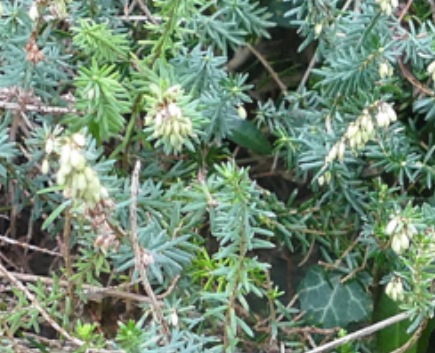
Heather, botanically known as Calluna vulgaris, is a small evergreen shrub typical of European heathlands and moorlands. It is highly adapted to acidic, nutrient-poor soils, exposed winds and cold climates, forming extensive carpets of low vegetation that strongly characterise the landscape. The plant has numerous thin, woody branches covered with very small, scale-like leaves arranged closely along the stems, which helps reduce water loss and enhances tolerance to harsh environmental conditions.
The most distinctive feature of heather is its profuse flowering. The tiny bell-shaped flowers, grouped in dense spikes, range from white to pale pink and deep purple, generally blooming from late summer into autumn. These flowers are an important source of nectar for pollinators and give rise to the well-known heather honey, a dark, strongly aromatic honey with a characteristic gelatinous consistency. The flowering tops of Calluna vulgaris have a light, herbaceous, slightly balsamic aroma and have been used for centuries in traditional European herbalism. Today, they are valued both as a herbal ingredient (mainly in infusions and extracts) and as a cosmetic plant extract, while the living plant remains popular as an ornamental species in gardens and landscape plantings.
Botanical classification
Common names: heather, ling
Botanical name: Calluna vulgaris
Botanical family: Ericaceae
Native range: Europe, western Asia and North Africa, typical of heaths, moorlands and mountain areas
Habit: small evergreen shrub (20–50 cm tall)
Lifespan: perennial
Cultivation and growth conditions
Climate
Prefers cool and temperate climates, typical of hilly and mountain regions.
Tolerates cold and light to moderate frosts very well.
Poorly adapted to very hot and dry climates.
Exposure
Grows best in full sun or bright partial shade.
In very hot areas, it benefits from light shade during the hottest hours of the day.
Soil
Requires acid soil (pH 4.5–6).
Ideal soil:
sandy or sandy-peaty,
very well drained,
low in calcium.
Does not tolerate heavy clay or calcareous soils.
Irrigation
Needs moderate but regular moisture.
Water regularly during dry periods, avoiding waterlogging.
Roots are shallow, so it prefers light but frequent watering rather than heavy, infrequent soaking.
Temperature
Hardy down to about –15 °C (depending on variety and exposure).
Can suffer above 30 °C if the soil is dry and there is no shade or mulch.
Fertilization
Naturally adapted to poor soils; avoid excessive fertilization.
Apply once or twice a year a light, balanced fertilizer formulated for acid-loving plants (e.g. azaleas, rhododendrons).
Avoid fertilizers rich in calcium or lime amendments.
Crop care
Perform a light pruning after flowering to keep the shrub compact and encourage new shoots.
Remove dry flowers and damaged parts regularly.
Mulch with pine needles, bark or other acidic organic materials to:
maintain soil acidity,
limit weeds,
reduce evaporation.
Monitor for root rot or collar rot, often linked to poor drainage and excess water.
Harvest
Flowering usually occurs from late summer to autumn, depending on cultivar and climate.
Flowering stems can be harvested for fresh arrangements or dried for decorative use.
Propagation
Propagation is mainly by:
semi-woody cuttings in summer (the most common and reliable method),
layering (bending a low branch to the ground and rooting it in place),
seed, slower and less uniform.
Cuttings root best in a light, acidic and constantly moist substrate, kept in a protected, bright but not directly sunny place.
Indicative nutritional values per 100 g (dried flowering tops)
(Herbal dry material used for infusions; values refer to dry matter and are approximate.)
Energy: about 250–300 kcal
Carbohydrates: 30–40 g
Total fibre: 25–30 g
Protein: 3–6 g
Total fat: <2 g
Minerals: mainly calcium, potassium, manganese, iron
Vitamins: small amounts of B-group vitamins and other micronutrients
Key constituents
Flavonoids (e.g. quercetin, kaempferol, myricetin and their glycosides), contributing to antioxidant potential
Tannins (notably condensed tannins / proanthocyanidins), responsible for astringent properties
Phenolic acids (such as caffeic, ferulic and other hydroxycinnamic derivatives)
Arbutin and related hydroquinone glycosides, typical of several Ericaceae species
Other phenolic compounds and minor aromatic substances
Mineral elements (calcium, potassium, iron, etc.) naturally present in the plant tissue
Production process
Harvesting
Flowering tops are harvested during full bloom, when concentrations of flavonoids, tannins and aromatic compounds are at their highest.
Cleaning
Removal of excess stems, foreign plant material, soil and debris to obtain a clean herbal raw material.
Drying
Traditional drying in thin layers in shaded, well-ventilated conditions, or controlled drying in low-temperature dryers to preserve colour and phytochemicals.
Stabilisation
Drying continues until residual moisture is reduced to a safe level (around 10% or less) to prevent mould growth and degradation.
Cutting and grading
Dried material is cut or sifted to obtain a uniform particle size suitable for herbal teas, filter bags or extract production.
Extraction (if applicable)
Water or hydroalcoholic extraction can be used to produce liquid, soft or dry extracts, which are then standardised and used in food supplements, herbal preparations or cosmetics.
Physical properties
Appearance (dried herb): small pieces of stems and flowering tops, with colours ranging from green-brown to faded pink or purple in the remaining flowers
Odour: herbaceous, mildly balsamic and slightly floral
Texture: lightweight, low bulk density, brittle structure typical of dried aerial parts
Water solubility: good for most phenolic compounds and tannins, yielding a coloured infusion; some components remain as suspended particles
Sensory and technological properties
Flavour: delicate herbal and floral notes, with a moderate bitter–astringent component due to tannins
Infusion colour: typically yellow to amber, sometimes with a light brown tone at higher concentrations
Astringency: the presence of tannins gives the infusion a perceptible drying sensation, which can be desirable in certain herbal blends
Technological behaviour: good extractability in hot water; tannins can influence colloidal stability and may lead to slight turbidity or sediment in concentrated preparations or during storage
Food applications
Herbal teas and infusions: heather flowering tops are used on their own or, more often, in herbal blends with other plants.
Herbal mixtures and sachets: inclusion in wellness or functional teas focused on urinary tract comfort or general relaxation, in line with traditional use.
Flavouring component: occasional use in liqueurs or traditional beverages, providing a subtle herbal–floral character.
Honey production: although not a direct food use of the herb itself, heather honey derives from Calluna vulgaris nectar and is a recognised traditional product in various regions.
Nutrition and health
Heather is used in nutrition primarily through infusions or as part of herbal preparations, rather than as a bulk food. Its main relevance lies in the presence of polyphenols (flavonoids, tannins, phenolic acids) and arbutin, which have been investigated for their antioxidant and soothing effects, particularly in relation to urinary tract comfort and mild inflammatory conditions in traditional herbal practice.
The tannins contribute to astringent and mild antiseptic properties in a herbal context, while flavonoids and other phenolics support general oxidative stress protection at a biochemical level. The herb also provides fibre and minerals, but in practical use the amounts ingested via infusions are relatively modest.
It is important to distinguish between traditional herbal uses and approved health claims: in many jurisdictions, heather-based herbal products can be marketed for traditional use, but not all claimed benefits are formally recognised as health claims. Infusions of Calluna vulgaris are generally well tolerated when consumed in moderate amounts as part of a varied diet and a healthy lifestyle. They are not a substitute for medical treatment, especially in the case of urinary tract infections or other diagnosed conditions.
Portion note
For a typical herbal infusion:
Around 2–3 g of dried heather flowering tops in 200 ml of hot water, steeped for about 5–10 minutes, is a common reference amount.
This provides an infusion with a noticeable but not excessive astringency and aroma, suitable for regular use within a balanced consumption pattern.
Allergens and intolerances
Heather is not one of the major food allergens defined by EU legislation. Adverse reactions are considered rare, but may occur in individuals with known hypersensitivity to Ericaceae plants or to tannin-rich botanicals in general.
People with a history of plant allergies, pollen allergy or specific sensitivity to herbal products should introduce heather infusions with caution and discontinue use if any undesired reaction (e.g. skin rash, itching, respiratory or digestive discomfort) occurs.
As with all herbal products, pregnant or breastfeeding women and individuals taking chronic medications should consult a health professional before regular use, especially if high doses or concentrated extracts are involved.
Storage and shelf-life
Packaging: store dried heather herb in airtight containers (e.g. sealed bags, jars with tight lids) that protect from moisture, light and oxygen.
Conditions: keep in a cool, dry place, away from direct sunlight and heat sources.
Shelf-life: when properly dried and stored, typical shelf-life is about 12–24 months. Over time, aroma and polyphenol content may gradually decline.
Signs of deterioration: loss of colour and aroma, development of musty odours or visible mould indicate that the product is no longer suitable for use.
Safety and regulatory
In the European Union and many other regions, dried heather herb and its traditional preparations are considered safe botanical ingredients when used under normal conditions and in accordance with good manufacturing practice. They are subject to general food and herbal product regulations, including:
Compliance with limits for pesticide residues, heavy metals and other contaminants.
Control of microbiological quality, especially for products intended for direct infusion or as herbal teas.
For extracts used in food supplements, additional rules regarding standardisation, labelling and quality documentation apply, and national regulations may differ between countries.
Heather is often classified within the framework of traditional herbal use, which influences the type of claims that can be made on packaging and marketing materials.
Labelling
Key aspects of labelling for heather-based food and herbal products include:
Name of the ingredient: e.g. “Heather (Calluna vulgaris) flowering tops” or equivalent wording indicating the plant and part used.
List of ingredients: heather clearly listed among other herbal components in infusion blends or compound products.
Instructions for use: typical dose (e.g. grams per cup), infusion time and recommended number of servings per day.
Storage conditions: guidance to store in a cool, dry place, away from light and humidity.
Nutritional declaration: generally minimal for pure herbal teas, unless specific nutritional aspects are highlighted or required by local law.
Warnings (if applicable): for example, statements that the product is not intended to replace a varied diet and a healthy lifestyle, or advice for at-risk groups to consult a health professional.
Troubleshooting
Infusion too bitter or astringent
Likely cause: excessive dose of herb or overlong infusion time, with high tannin extraction.
Possible solutions: reduce the amount of herb, shorten steeping time, or blend with milder herbs (e.g. linden, chamomile) to balance taste.
Loss of colour and aroma in the dried herb
Likely cause: prolonged storage, exposure to light or high temperatures.
Possible solutions: improve packaging (opaque, airtight), store in a cool, dark place, use fresher harvests and rotate stock.
Presence of moisture or clumping
Likely cause: storage in humid conditions or insufficient drying.
Possible solutions: check warehouse conditions, use desiccant sachets where permitted, verify final moisture content after drying.
Visible foreign material (stones, other plant parts)
Likely cause: insufficient cleaning and sorting.
Possible solutions: strengthen sieving, visual inspection and quality control during processing.
Sustainability and supply chain
Heather is intrinsically linked to heathland ecosystems, which are of high ecological value and host diverse flora and fauna. Sustainable use of Calluna vulgaris should therefore consider both the plant resource and its habitat:
Wild collection: when harvesting from the wild, it is important to respect local regulations and sustainable collection guidelines, ensuring that only a portion of the flowering biomass is removed and that plant populations can regenerate.
Habitat conservation: heathlands have declined in many areas due to land-use change. Responsible heather harvesting should go hand-in-hand with habitat management and conservation initiatives.
Traceability: a well-managed supply chain documents origin, harvesting practices and processing steps, increasing transparency and helping to maintain consistent quality.
Processing impacts: manufacturers should monitor and minimise energy use, water consumption and the organic load (BOD/COD) of effluents from extraction and cleaning steps, following good environmental practice.
Main INCI functions (cosmetics)
In cosmetics, heather-derived ingredients are typically listed with INCI names such as Calluna Vulgaris Extract or Calluna Vulgaris Flower Extract. Their main cosmetic functions include:
Skin conditioning: helping to maintain the skin in good condition, improving softness and comfort.
Soothing and calming: traditional and in vitro data support skin-soothing properties, useful in products aimed at sensitive or stressed skin.
Antioxidant support: the polyphenolic profile can contribute to antioxidant protection of the skin surface when incorporated in appropriate formulations.
Astringent and toning: mild astringency can provide a gentle toning effect, particularly in lotions and toners.
These ingredients are generally considered safe for cosmetic use at typical concentrations, provided they comply with cosmetic regulations and quality standards, including limits on contaminants and proper documentation of botanical identity.
Conclusion
Calluna vulgaris (heather) is a resilient, evergreen shrub that plays an important role both in natural ecosystems and in traditional herbal practice. Its dried flowering tops provide a gentle herbal infusion with subtle aroma, astringent character and a characteristic polyphenolic profile rich in flavonoids, tannins and phenolic acids.
From a product development perspective, heather is a versatile ingredient: it can be used in herbal teas, extracts, food supplements (where permitted) and cosmetic formulations targeting skin conditioning and soothing effects. When harvested and processed responsibly, with respect for heathland habitats and local communities, heather can contribute to a sustainable, high-quality botanical portfolio in both the food and cosmetic sectors.
Calluna vulgaris has long been known and used in traditional medicine for the therapeutic potential of its phenolic compounds, which form part of an interesting phytochemical profile (1):
- phenolic acids: coumarin, caffeic acid, hydroxycinnamic acid, chlorogenic acid
- fatty acids: linolenic acid, linoleic acid, arachidonic acid
- flavonoids: kaempferol, quercetin, rutin, luteolin, isoquercetin
- and also: tannins, glycosides, terpenoids, triterpenoids, catechins.
This gives the plant antioxidant, anti-inflammatory, antimicrobial, and chemoprotective properties. The flowers contain the highest nutritional value, so much so that they are used as an integral part of pastoral resources in Europe. However, all these positive properties depend on a number of factors: season, altitude, climate. Going into the specific field of its health benefits, it should be noted that scientific literature has highlighted that the components of this plant also have other important specific activities: against hepatitis C virus (2), gout (3), excessive exposure to ultraviolet rays (4), and urinary tract infections (5).

