



Cottonseed
(Seeds of the cotton plant, mainly Gossypium hirsutum and Gossypium barbadense)
Description
Cottonseed is the seed of the cotton plant, obtained as a by-product of cotton fiber production.
For food use, cottonseed is processed into refined cottonseed oil, cottonseed flour/meal (food-grade) and cottonseed protein concentrates/isolates.
It is naturally rich in oil, protein and fiber, but also contains gossypol, a polyphenolic compound that must be reduced or removed for safe human consumption.
Properly refined and detoxified cottonseed ingredients are used in edible oils, bakery products, snacks, and plant-based foods.
Indicative nutritional values per 100 g
(Whole cottonseed; values for derived ingredients differ)
Energy: 470–500 kcal
Proteins: 20–25 g
Carbohydrates: 15–20 g
sugars: 3–6 g
Lipids: 20–25 g
SFA (first occurrence): ~20–26% of total fat
MUFA: ~18–25%
PUFA: ~50–55% (mainly linoleic acid)
TFA: not naturally present
Fiber (total): 20–30 g
Minerals: magnesium, phosphorus, potassium, iron
Vitamins: small amounts of vitamin E and some B-group vitamins (process-dependent)
Key constituents
Cottonseed oil: high in polyunsaturated fatty acids (mainly linoleic acid), with moderate SFA and MUFA.
Proteins: globulins and albumins with good functional properties.
Dietary fiber: cellulose, hemicellulose, lignin from hulls and residual seed coat.
Gossypol: natural polyphenolic pigment; must be reduced/removed for human food.
Phytosterols and tocopherols (vitamin E forms).
Mineral salts: Mg, P, K and trace elements.
Production process
Seed collection and cleaning: removal of field impurities after cotton harvesting.
Delinting and dehulling: separation of lint and hull to obtain clean kernels.
Oil extraction:
mechanical pressing and/or solvent extraction to obtain crude cottonseed oil;
the remaining cake is used for meal/flour or protein extraction.
Oil refining (for food use):
degumming
neutralization
bleaching
deodorization
gossypol and impurity removal
Flour / protein production:
defatting of the seed cake
heat and chemical/physical treatments to reduce free gossypol
milling, sifting and standardization of protein and fiber content
Quality control (under GMP/HACCP):
gossypol content
pesticide residues
heavy metals
oxidation indices (peroxide value, anisidine) for oil
microbiology and moisture for meal/flour.
Physical properties
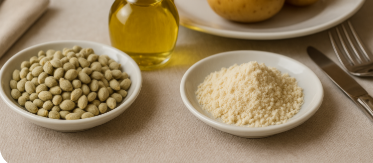
Whole seeds: small, oval, brownish, with fuzzy external fibers.
Cottonseed meal/flour: light brown to yellowish powders or granules.
Cottonseed oil: clear to pale yellow liquid at room temperature.
Moisture: generally 5–8% in properly dried products.
Solubility:
oil fraction is fat-soluble;
protein and flour fractions are dispersible in water, functionality depending on processing.
Stability: oil is relatively sensitive to oxidation due to high PUFA content; stable when refined and properly stored.
Sensory and technological properties
Flavor:
crude seed/meal: more pronounced, nutty and slightly bitter (if gossypol present);
refined oil: mild, neutral flavor suitable for general cooking.
Technological roles:
cottonseed oil:
good frying performance and high smoke point when refined
useful in shortenings and margarines
cottonseed flour/protein:
water-binding and fat-binding capacity
contributes structure and chew in bakery and meat/plant-based products
provides emulsifying and foaming properties (depending on fraction).
Food applications
Cottonseed oil:
frying oils, cooking oils
base for shortenings, margarines and confectionery fats
ingredient in baked goods and snack coatings
Cottonseed meal/flour (food-grade, low gossypol):
partial replacement of other plant flours in bakery mixes and snacks
protein enrichment in crackers, biscuits, bread
inclusion in plant-based meat analogues and patties
Cottonseed protein concentrates/isolates:
powdered protein blends, bars, nutritional beverages
potential use in sports and functional foods (where approved).
Nutrition & health
Cottonseed provides plant-based protein, fibers and unsaturated fats, especially PUFA.
Refined cottonseed oil is cholesterol-free and can contribute to a balanced fatty-acid intake when consumed in moderation.
Gossypol is the main safety concern in raw cottonseed: it is toxic at high levels and can affect fertility and organ function; therefore, food-grade materials must comply with strict gossypol limits.
Refined cottonseed oil contains negligible gossypol and is generally recognized as safe when produced according to standards.
Cottonseed ingredients may be useful in developing plant-forward diets, but their use is still more limited than soy or pea in human nutrition.
Portion note
Cottonseed oil:
used similarly to other vegetable oils (e.g., 5–15 g per serving in fried or baked foods).
Cottonseed flour/protein:
typically 5–20% of dry formulation in bakery or snacks, depending on functional and sensory constraints.
Protein beverages or bars:
10–30 g cottonseed protein per serving when used as part of a blend.
Allergens and intolerances
Cottonseed is not classified as a major allergen, but:
seed allergies and cross-reactivity with other oilseeds cannot be completely excluded;
sensitisation is possible in susceptible individuals, especially with less-refined products.
Allergen labelling is required if cottonseed is used as a defined ingredient.
Cross-contamination with other allergenic seeds or nuts depends on processing facilities and must be managed via allergen control plans.
Storage and shelf-life
Cottonseed oil:
store in tightly closed, light-protected containers, away from heat and oxygen.
typical shelf-life: 12–18 months when refined and properly packed.
Cottonseed meal/flour/protein:
store cool and dry, in sealed bags or containers.
shelf-life: 6–12 months, depending on residual fat and packaging.
Main degradation risks:
oxidative rancidity of oil
moisture uptake in flours (caking, microbial growth)
flavor deterioration in long storage or poor conditions.
Safety & regulatory
Key safety parameter: free gossypol content, which must remain below regulatory limits for human food.
Edible cottonseed oil must be fully refined, bleached and deodorized.
Cottonseed-based flours and proteins must undergo validated treatments to reduce gossypol and other impurities.
Production must follow GMP/HACCP, including controls for:
gossypol (free and total)
pesticide residues from cotton cultivation
heavy metals and mycotoxins
microbiological criteria in meals/flours.
Regulatory status may vary by country (e.g., approvals, limits, or specific uses allowed).
Labeling
Typical ingredient designations:
“cottonseed oil” (refined)
“cottonseed flour”
“cottonseed protein” or “cottonseed protein concentrate/isolate”
In blended fats, cottonseed oil must appear in the ingredient list in descending order by weight.
Allergen and cross-contamination statements applied according to local regulations and plant risk assessment.
Troubleshooting
Rancid/off flavors in oil:
due to oxidation (light, oxygen, high temperature); solution: improve refining, add antioxidants where permitted, use oxygen-barrier packaging.
Bitterness or off-taste in flour:
residual gossypol or overheating; solution: optimize detoxification and drying parameters.
Poor baking performance:
incorrect replacement level or particle size; adjust inclusion rates and blend with other flours.
Low solubility of protein:
denaturation or suboptimal pH; adjust pH, use functionalization or controlled heat treatment.
Sustainability & supply chain
Cottonseed valorizes a major agricultural by-product of cotton fiber production, supporting circular economy principles.
Key sustainability factors:
responsible cotton farming (water use, pesticides, soil management)
energy efficiency in crushing and refining
wastewater treatment from oil extraction and refining, monitored via BOD/COD.
Use of cottonseed for human food (rather than only for feed) can increase overall resource efficiency when safety standards are met.
Main INCI functions (cosmetics)
(cottonseed oil, hydrogenated cottonseed oil, cottonseed extract)
Emollient and skin-conditioning agent.
Occlusive protective film on skin and hair.
Viscosity modifier and texture enhancer in emulsions.
Used in creams, lotions, balms, ointments, and hair-care products.
Conclusion
Cottonseed is a versatile seed resource that, when properly processed, yields valuable edible oil, protein and fiber ingredients for the food industry. Its high PUFA content, good frying performance, and potential as a plant protein source make it interesting for modern formulations, especially in snacks and bakery products. The key to its safe and successful use lies in rigorous control of gossypol and in the application of robust quality and safety systems throughout the supply chain.
Mini-glossary
SFA – Saturated fatty acids: fats that should be moderated in the diet; present at moderate levels in cottonseed oil.
MUFA – Monounsaturated fatty acids: generally considered beneficial for cardiovascular health.
PUFA – Polyunsaturated fatty acids: include essential fatty acids such as linoleic acid; abundant in cottonseed oil.
TFA – Trans fatty acids: undesirable fats; not naturally present in cottonseed, but can form during industrial hydrogenation.
GMP/HACCP – Good Manufacturing Practices / Hazard Analysis and Critical Control Points: structured systems for hygiene, safety, and traceability in food production.
BOD/COD – Biological oxygen demand / chemical oxygen demand: indicators used to assess the environmental impact of industrial wastewater.
Gossypol – Natural polyphenolic compound found in cottonseed; toxic at high levels, therefore carefully controlled and reduced in food-grade products.

