Green beans
(Phaseolus vulgaris — Immature Pods; Fresh, Chilled, Or IQF Frozen)
Description
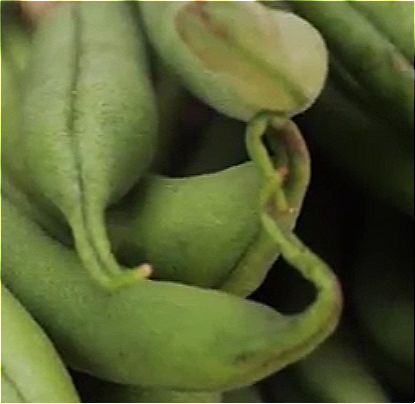
• Tender pods harvested immature (small seeds), bright green, crisp texture, and mild grassy–sweet taste.
• Sold whole, cut, topped & tailed, and sometimes extra-fine by size; available fresh (loose or in MAP), chilled, or IQF frozen after blanching.
Indicative nutritional values (per 100 g, raw)
• Energy 25–35 kcal • Water 88–91 g
• Protein 1.7–2.2 g • Carbohydrates 5–7 g (sugars 2–3 g) • Fiber 2.5–3.5 g
• Fat 0.1–0.3 g
• Sodium ~5–10 mg • Potassium 200–260 mg • Magnesium 20–30 mg • Phosphorus 35–45 mg
• Vitamins (typical): Vitamin C 10–18 mg; Folate 30–50 µg; Vitamin K₁ 12–25 µg; Provitamin A carotenoids present.
• Frozen/steamed: Slight losses of vitamin C and folate; fiber essentially stable.
Key constituents
• Dietary fiber (cellulose, hemicelluloses, pectins) supporting satiety and regularity.
• Carotenoids (lutein/zeaxanthin) and chlorophylls driving green color.
• Polyphenols (hydroxycinnamic acids, flavonoids) with antioxidant activity.
• Modest plant proteins; negligible lipids.
• Trace antinutrients (phytates/lectins) reduced by blanching/cooking.
Production process
• Sowing → Integrated cultivation/irrigation → Selective mechanical harvest at tender stage → Rapid chilling → Sorting and trimming → Washing → (Frozen line) Blanching 1–3 min + cooling → IQF ≤ −18 °C → Packing.
• Fresh: Packed in vented crates or micro-perforated bags; optional MAP to slow respiration and yellowing.
Physical properties
• Color: Chlorophyll a/b; sensitive to acidity and prolonged heat (turns olive via pheophytin).
• Texture: Crispness due to turgor and pectins; aging and ethylene drive yellowing and fiber development.
• Pulp pH ~5.8–6.2; high aw.
Sensory and technological properties
• Texture is best “tender-crisp” with short cooking or steam; overcooking causes softness and discoloration.
• Color stability improves with quick cook–chill (ice bath). Baking soda preserves green but harms vitamins and texture → not recommended.
• Yield: Minimal cooking losses; good integrity in sauté and steaming.
Food applications
• Culinary: Steam, sauté, quick boil, oven-roast, grill (pre-blanched), pickled/oil preserves (acidified process), soups and sides.
• Industrial: Frozen vegetable mixes, ready meals, soups/minestrone, chilled salads (cooked and cooled), acidified/pasteurized preserves.
Nutrition & health
Source of plant protein, fiber, and folate; GI typically low–medium, further reduced by cooling (↑ RS) and pairing with fat/protein.
Other components: Salicylic acid (1), iron and zinc (2), The flavonol glycosides phenolic compounds found in common beans possess antimicrobial, anti-inflammatory and ultraviolet radiation (UVR) protective properties (3),
Low energy density, good fiber, source of vitamin C, folate, and vitamin K₁.
• Low glycemic load; suitable for weight-control menus and micronutrient-rich sides.
• For patients on coumarin anticoagulants, keep vitamin K intake consistent.
• Generally low-FODMAP at moderate portions.
Serving note: 120–200 g cooked as a side; 60–100 g cooked as an ingredient in mixed dishes.
Allergens and intolerances
• No intrinsic major EU allergens; rare legume allergy or oral allergy syndrome (pollen cross-reactivity) may occur.
• In composite foods, check recipe allergens (dressings, sauces).
Quality and specifications (typical)
• Size grade (extra-fine/fine), uniform green color, stringless varieties preferred; minimal defects (breaks, developed seeds, spots).
• Pesticide residues compliant; free of foreign materials.
• For frozen: uniform blanch, controlled glaze, defined defect counts per sample.
• Microbiology (RTE): low counts; Listeria controlled in ready-to-eat processes.
Storage and shelf-life
• Fresh: 0–4 °C, high RH (90–95%), 5–7 days; avoid ethylene sources (banana, tomato, apple) to prevent yellowing/fibrosity.
• Frozen: ≤ −18 °C; 10–12 months; cook from frozen or thaw under refrigeration; do not refreeze.
• Avoid light/heat; for fresh, use aerated packs or balanced MAP.
Safety and regulatory
• Produced under GMP/HACCP; potable-water washes, validated sanitizer use, and BOD/COD control for effluents.
• Labeling: name, origin, grade/size (where applicable), lot, storage conditions, and for frozen, cooking instructions.
Labeling
• Fresh: “Green Beans/French Beans,” category (e.g., “extra,” “class I”), size; farming method (organic/integrated) if applicable.
• Frozen: “Frozen Green Beans,” ingredients (beans ± salt/glaze), weight, date/durability, directions for use.
Troubleshooting
• Olive color after cooking → prolonged heat/acid → shorten time, cook uncovered in well-salted water, rapid chill.
• Stringiness/fibrous pods → advanced maturity/non-stringless variety → select younger product; trim ends.
• Loss of crunch → overcooking or hot holding → prefer brief steaming; avoid extended holding.
• Cut-surface browning → phenolic oxidation → work quickly, chill, slight acidulation.
Sustainability and supply chain
• Favor integrated production and efficient irrigation; reduce post-harvest losses via cold chain.
• Valorize trim as feed/compost; optimize washing and sanitation to lower BOD/COD in wastewater.
• Recyclable/mono-material packaging; FIFO logistics and demand planning to curb waste.
Main INCI functions (cosmetics)
• Phaseolus Vulgaris Extract — Limited use as conditioning/antioxidant in natural cosmetics; adhere to cosmetic-grade specs and safety assessments.
Conclusion
Green beans are a light, fiber-rich, micronutrient-containing vegetable with broad culinary versatility and solid industrial robustness (blanch + IQF). Quality hinges on freshness, size grade, and cook management, while color and texture are best preserved with short treatments and rapid cooling.
Mini-glossary
• MAP — Modified Atmosphere Packaging.
• IQF — Individually Quick Frozen.
• aw — Water activity; free water available for microbial growth.
• GMP/HACCP — Good Manufacturing Practices / Hazard Analysis And Critical Control Points.
• BOD/COD — Biochemical/Chemical Oxygen Demand; effluent load indicators.
• FIFO — First In, First Out; inventory rotation to reduce waste.
References__________________________________________________________________________
(1) Mecha E, Erny GL, Guerreiro ACL, Feliciano RP, Barbosa I, Bento da Silva A, Leitão ST, Veloso MM, Rubiales D, Rodriguez-Mateos A, Figueira ME, Vaz Patto MC, Bronze MR. Metabolomics profile responses to changing environments in a common bean (Phaseolus vulgaris L.) germplasm collection. Food Chem. 2022 Feb 15;370:131003. doi: 10.1016/j.foodchem.2021.131003.
(2) Huertas R, William Allwood J, Hancock RD, Stewart D. Iron and zinc bioavailability in common bean (Phaseolus vulgaris) is dependent on chemical composition and cooking method. Food Chem. 2022 Sep 1;387:132900. doi: 10.1016/j.foodchem.2022.132900. Epub 2022 Apr 5. PMID: 35398678.
(3) Fonseca-Hernández D, Lugo-Cervantes EDC, Escobedo-Reyes A, Mojica L. Black Bean (Phaseolus vulgaris L.) Polyphenolic Extract Exerts Antioxidant and Antiaging Potential. Molecules. 2021 Nov 6;26(21):6716. doi: 10.3390/molecules26216716.
Abstract. Phenolic compounds present in common beans (Phaseolus vulgaris L.) have been reported to possess antimicrobial, anti-inflammatory and ultraviolet radiation (UVR) protective properties. UVR from sunlight, which consists of UV-B and UV-A radiations, induces reactive oxygen species (ROS) and free radical formation, consequently activating proteinases and enzymes such as elastase and tyrosinase, leading to premature skin aging. The objective of this work was to extract, characterize and evaluate the antioxidant and antiaging potential of polyphenols from a black bean endemic variety. The polyphenolic extract was obtained from black beans by supercritical fluid extraction (SFE) using CO2 with a mixture of water-ethanol as a cosolvent and conventional leaching with a mixture of water-ethanol as solvent. The polyphenolic extracts were purified and characterized, and antioxidant potential, tyrosinase and elastase inhibitory potentials were measured. The extract obtained using the SFE method using CO2 and H2O-Ethanol (50:50 v/v) as a cosolvent showed the highest total phenolic compounds yield, with 66.60 ± 7.41 mg GAE/g coat (p > 0.05) and 7.30 ± 0.64 mg C3GE/g coat (p < 0.05) of anthocyanins compared to conventional leaching. Nineteen tentative phenolic compounds were identified in leaching crude extract using ESI-QTOF. Quercetin-3-D-galactoside was identified in crude and purified extracts. The purified SFC extract showed IC50 0.05 ± 0.002 and IC50 0.21 ± 0.008 mg/mL for DPPH and ABTS, respectively. The lowest IC50 value of tyrosinase inhibition was 0.143 ± 0.02 mg/mL and 0.005 ± 0.003 mg/mL of elastase inhibition for leaching purified extract. Phenolic compounds presented theoretical free energy values ranging from -5.3 to -7.8 kcal/mol for tyrosinase and -2.5 to -6.8 kcal/mol for elastase in molecular docking (in silico) studies. The results suggest that the purified extracts obtained by SFE or conventional leaching extraction could act as antioxidant and antiaging ingredients for cosmeceutical applications.
Rodríguez Madrera R, Campa Negrillo A, Suárez Valles B, Ferreira Fernández JJ. Phenolic Content and Antioxidant Activity in Seeds of Common Bean (Phaseolus vulgaris L.). Foods. 2021 Apr 15;10(4):864. doi: 10.3390/foods10040864.
Abstract. Dry bean (Phaseolus vulgaris L.) is one of the most important pulses consumed in the world. Total phenolic content, total flavonoid content, total monomeric anthocyanin content and antioxidant capacity were determined, using ferric reducing antioxidant power and free radical scavenging activity, in 255 lines grown under the same environmental conditions. For all parameters analysed, there was a wide range of variability, with differences always above one order of magnitude. Phenolic compounds in beans with coloured coats were found to be more efficient antioxidants than those with completely white coats, and samples with more strongly coloured coats (red, cream, black, pink and brown) showed the highest antioxidant capacities. Based on the strong correlation detected between the variables, total phenolic content can be considered an appropriate indicator of antioxidant activity. The results provide a robust database for selecting those lines of greater functional and nutritional interest in terms of cultivation for direct consumption, for inclusions in food formulations or for use in future breeding programs.
Graziani D, Ribeiro JVV, Cruz VS, Gomes RM, Araújo EG, Santos Júnior ACM, Tomaz HCM, Castro CH, Fontes W, Batista KA, Fernandes KF, Xavier CH. Oxidonitrergic and antioxidant effects of a low molecular weight peptide fraction from hardened bean (Phaseolus vulgaris) on endothelium. Braz J Med Biol Res. 2021 Apr 19;54(6):e10423. doi: 10.1590/1414-431X202010423.
Abstract. About 3000 tons of beans are not used in human food due to hardening. Several studies on bean-derived bioactive peptides have shown potential to treat some diseases, including those relying on oxidative dysfunctions. We assessed the effects of peptides extracted from hardened bean Phaseolus vulgaris (PV) on reactive oxygen species (ROS) and nitric oxide (NO) production, cytotoxic and cytoprotective effects in endothelial cells, and oxidonitrergic-dependent vasodilating effects. Extract was composed by peptide fraction <3 kDa (PV3) from hardened common bean residue. PV3 sequences were obtained and analyzed with bioinformatics. Human umbilical vein endothelial cells were treated with 10, 20, 30, and 250 µg/mL PV3. Oxidative stress was provoked by 3% H2O2. Cytotoxicity and cytoprotective effects were evaluated by MTT assay, whereas, ROS and NO were quantified using DHE and DAF-FM fluorescent probes by confocal microscopy. NO- and endothelium-dependent vasodilating effects of PV3 were assessed in isolated aortic rings. We found 35 peptides with an average mass of 1.14 kDa. There were no cell deaths with 10 and 20 μg/mL PV3. PV3 at 30 μg/mL increased cell viability, while cytotoxicity was observed only with 250 μg/mL PV3. PV3 at 10 μg/mL was able to protect cells from oxidative stress. PV3 also increased NO release without causing cell death. It also reduced relative ROS production induced by H2O2. PV3 vasodilating effects relied on endothelium-dependent NO release. PV3 obtained from low-commercial-value bean displays little cytotoxicity and exerts antioxidant effects, whereas it increases endothelial NO release.
Pitura K, Arntfield SD. Characteristics of flavonol glycosides in bean (Phaseolus vulgaris L.) seed coats. Food Chem. 2019 Jan 30;272:26-32. doi: 10.1016/j.foodchem.2018.07.220.




