



Fagioli verdi
(Phaseolus vulgaris — baccelli immaturi; freschi, refrigerati o surgelati IQF)
Descrizione
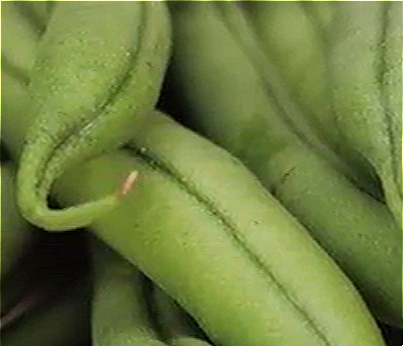
• Baccelli teneri raccolti immaturi (con seme piccolo), di colore verde brillante, consistenza croccante e sapore erbaceo-dolce.
• Disponibili interi, spezzati, spuntati (“top & tail”), talvolta finissimi/extrafini per calibro; in commercio freschi (sfusi o in MAP — modified atmosphere packaging, prima occorrenza), refrigerati o surgelati IQF dopo sbollentatura.
Valori nutrizionali indicativi (per 100 g crudi)
• Energia: 25–35 kcal • Acqua: 88–91 g
• Proteine: 1.7–2.2 g • Carboidrati: 5–7 g (zuccheri 2–3 g) • Fibre: 2.5–3.5 g
• Grassi: 0.1–0.3 g
• Sodio: ~5–10 mg • Potassio: 200–260 mg • Magnesio: 20–30 mg • Fosforo: 35–45 mg
• Vitamine (tipiche): Vitamina C 10–18 mg; Folati 30–50 µg; Vitamina K₁ 12–25 µg; Pro-vitamina A (carotenoidi) presenti.
• Surgelati (cotti al vapore): leggere perdite di vitamina C e folati; fibre sostanzialmente stabili.
Principali sostanze contenute
• Fibre alimentari (cellulosa, emicellulose, pectine) utili per sazietà e regolarità.
• Carotenoidi (luteina/zeaxantina) e clorofille responsabili del colore verde.
• Polifenoli (acidi idrossicinnamici, flavonoidi) con attività antiossidante.
• Proteine vegetali modeste; lipidi trascurabili.
• Antinutrienti in traccia (fitati/lectine) che si riducono con sbollentatura/cottura.
Processo di produzione
• Semina → coltivazione integrata/irrigazione → raccolta meccanica selettiva (stadio tenero) → refrigerazione rapida → cernita e spuntatura → lavaggio → (linea surgelati) sbollentatura 1–3 min + raffreddamento → IQF ≤ −18 °C → confezionamento.
• Per il fresco: confezionamento in casse aerate o sacchetti microforati; eventuale MAP per ridurre respirazione e ingiallimento.
Proprietà fisiche
• Colore verde (clorofilla a/b), sensibile ad acidità e calore prolungato (viraggio all’oliva per formazione di feofitina).
• Trama: croccantezza legata a turgore e pectine; invecchiamento e etilene inducono fibrosità e ingiallimento.
• pH polpa ~5.8–6.2; aw (attività dell’acqua, prima occorrenza) elevata.
Proprietà sensoriali e tecnologiche
• Texture: ideale “tenera-croccante” con cotture brevi o vapore; cotture eccessive danno mollezza e scolorimento.
• Stabilità colore: migliore con salti di cottura rapidi e raffreddamento (bagno in ghiaccio). Bicarbonato preserva il verde ma peggiora vitamine e texture → sconsigliato.
• Resa: minime perdite in cottura; buona tenuta in saltati e cotture al vapore.
Impieghi alimentari
• Cucina domestica/ristorazione: vapore, salto in padella, bollitura breve, forno, griglia (pre-sbollentati), sott’olio/sottaceto (processo acidificato), zuppe e contorni.
• Industria: mix verdure surgelati, piatti pronti, zuppe e minestroni, insalate pronte (cotti e raffreddati), conserve acide/pasteurizzate.
Nutrizione e salute
Fonte di proteine vegetali, fibre e folati; indice glicemico (IG) basso–medio, ulteriormente riducibile con raffreddamento (↑ RS) e abbinamento a grassi/proteine nel piatto.
Altri componenti: Acido salicilico (1), ferro e zinco (2), I glicosidi flavonolici composti fenolici presenti nei fagioli comuni possiedono proprietà antimicrobiche, antinfiammatorie e protettive dalle radiazioni ultraviolette (UVR) (3),
Basso apporto calorico e densità energetica ridotta; buone fibre; fonte di vitamina C, folati e vitamina K₁.
• Carico glicemico basso; adatti in diete di controllo peso e come contorno ricco di micronutrienti.
• In soggetti in terapia con anticoagulanti cumarinici, mantenere apporto costante di vitamina K nella dieta.
• Generalmente low-FODMAP a porzioni moderate.
Nota porzione: 120–200 g cotti per contorno; 60–100 g cotti come ingrediente in piatti composti.
Allergeni e intolleranze
• Nessun allergene maggiore UE intrinseco; possibili rare allergie ai legumi o sindrome orale allergica (cross-reattività pollini).
• In prodotti composti (salse, condimenti) verificare eventuali allergeni di ricetta.
Qualità e specifiche (temi tipici)
• Calibro e categoria (extrafine/finissima/fine), colore uniforme, assenza di fili nelle varietà “stringless”, difetti minimi (rotture, semi sviluppati, macchie).
• Residui fitosanitari conformi; assenza di corpi estranei.
• Per surgelati: sbollentatura uniforme, glassa controllata, conteggio difetti unità campione.
• Microbiologia (RTE): cariche contenute; Listeria controllata nei processi pronti al consumo.
Conservazione e shelf-life
• Freschi: 0–4 °C, UR alta (90–95%), 5–7 giorni; evitare etilene (banana, pomodoro, mela) che accelera ingiallimento e fibrosità.
• Surgelati: ≤ −18 °C; 10–12 mesi; cuocere da congelati o dopo scongelamento refrigerato; non ricongelare.
• Evitare luce/temperature elevate; per il fresco usare imballi aerati o MAP bilanciata.
Sicurezza e regolatorio
• Produzione sotto GMP/HACCP; lavaggi con acqua potabile, gestione sanificante e controllo BOD/COD dei reflui.
• Etichettatura: denominazione, origine, categoria/calibro (quando applicabile), lotto, condizioni di conservazione e, per i surgelati, istruzioni di cottura.
Etichettatura
• Fresco: “fagiolini/fagioli verdi”, categoria (es. “extra”, “I”), calibratura; eventuale coltivazione (bio/integrata).
• Surgelato: “fagiolini surgelati”, ingredienti (solo fagiolini o con sale/glassa), peso, data/TMC, istruzioni d’uso.
Troubleshooting
• Colore oliva dopo cottura → calore/acido prolungati → ridurre tempo, cuocere scoperto in acqua ben salata e raffreddare rapido.
• Fibrosità/“fili” → maturazione avanzata/varietà non stringless → scegliere prodotto più giovane; rifilare.
• Perdita di croccantezza → sovracottura o mantenimento a caldo → preferire vapore breve; evitare holding prolungato.
• Imbrunimento dopo taglio → ossidazione fenolica → lavorare rapido, refrigerare, acidulare leggermente.
Sostenibilità e filiera
• Favorire produzione integrata e irrigazione efficiente; ridurre perdite post-raccolta con catena del freddo.
• Valorizzare scarti (mangimi/compost); ottimizzare lavaggi e sanificazioni per ridurre BOD/COD nei reflui.
• Packaging riciclabili/monomateriale; logistica FIFO e previsione domanda per limitare sprechi.
Principali funzioni INCI (cosmesi)
• Phaseolus Vulgaris Extract — uso limitato come condizionante/antiossidante in cosmetici naturali; applicare specifiche cosmetiche e valutazioni di sicurezza.
Conclusione
I fagioli verdi sono un contorno leggero, ricco di fibre e micronutrienti, con ottima versatilità in cucina e buona stabilità nei processi industriali (sbollentatura + IQF). La qualità dipende da freschezza, calibro e gestione di cottura, mentre colore e texture si preservano con trattamenti brevi e raffreddamento rapido.
Mini-glossario
• MAP — Modified atmosphere packaging: confezionamento in atmosfera protettiva.
• IQF — Individually quick frozen: surgelazione dei pezzi singoli.
• aw — Attività dell’acqua: quota di acqua libera disponibile alla crescita microbica.
• GMP/HACCP — Good manufacturing practices / hazard analysis and critical control points: sistemi di igiene e sicurezza.
• BOD/COD — Biochemical/chemical oxygen demand: indicatori del carico organico dei reflui.
• FIFO — First in, first out: rotazione scorte per ridurre sprechi.

