Carne di equino
(Equus caballus — tagli freschi o trasformati)
Descrizione
• Carne rossa magra proveniente da cavalli adulti o puledri, con sapore dolce e aromatico, tessitura fine e colore intenso.
• Apprezzata per l’elevato contenuto proteico, il basso tenore lipidico e la ricchezza in ferro e vitamine del gruppo B.
• Disponibile come carne fresca intera, tagli anatomici (coscia, lombata, spalla), preparati (macinati, affumicati, marinati) o prodotti trasformati (salsicce, bresaole, prosciutti, insaccati cotti e crudi).
• Commercializzata refrigerata, sottovuoto o in atmosfera protettiva (MAP), e anche congelata.
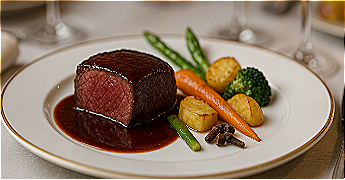
Valori nutrizionali indicativi (per 100 g di carne cruda, parte edibile)
• Energia: 110–130 kcal
• Proteine: 20–22 g
• Grassi totali: 2–5 g
• SFA (acidi grassi saturi): 0,7–1,5 g
• MUFA (monoinsaturi): 1,0–2,0 g
• PUFA (polinsaturi): 0,3–1,0 g — con presenza di n-3 (ALA, EPA, DHA) e n-6
• Colesterolo: 50–65 mg
• Carboidrati: 0 g
• Sodio intrinseco: 55–70 mg
• Micronutrienti (medi): Ferro 3,5–5 mg; Fosforo 200–220 mg; Potassio 320–350 mg; Zinco 2,5–3 mg; Rame 0,3–0,5 mg; Selenio 20–25 µg; Vitamina B3 (niacina) 6–8 mg; B6 0,5–0,7 mg; B12 2,5–4 µg
Principali sostanze contenute
• Proteine miofibrillari (miosina, actina, troponina) di elevato valore biologico (VB ~85–90).
• Collagene contenuto moderato (≈2–3%) → buona tenerezza.
• Lipidi con profilo favorevole: prevalenza di acidi grassi insaturi (MUFA, PUFA) e discreta presenza di n-3 (ALA, EPA, DHA).
• Mioglobina elevata (3–6 mg/g) → colore rosso intenso.
• Vitamine del gruppo B e ferro eme altamente biodisponibile.
Processo di produzione
• Macellazione in impianti autorizzati → dissanguamento rapido → frollatura refrigerata (0–4 °C) per 24–72 h per migliorare tenerezza e sapore → sezionamento e confezionamento.
• Eventuali processi successivi: marinatura, affumicatura, essiccamento o cottura controllata.
Proprietà fisiche
• Colore: rosso vivo → rosso-bruno dopo la cottura (intensità proporzionale alla mioglobina).
• pH finale: 5,5–6,0.
• aw elevata (≈0,98); elevata suscettibilità alla crescita microbica.
• Buona WHC (capacità di trattenere acqua).
• Odore caratteristico, dolce e ferroso.
Proprietà sensoriali e tecnologiche
• Sapore dolciastro e deciso, più aromatico della carne bovina.
• Struttura muscolare tenera e succosa dopo adeguata frollatura.
• Ottima resa in cottura; adatta a griglia, brasatura, stufatura e salumi stagionati.
• Buona capacità di assorbire aromi e marinature.
• La carne giovane (puledro) ha gusto più delicato e consistenza più morbida.
Impieghi alimentari
• Cucina domestica/ristorazione: bistecche, filetti, carpacci, brasati, stufati e macinati.
• Industria alimentare: salumi crudi e cotti (es. salsicce, bresaole, prosciutti equini), piatti pronti, estratti proteici.
• Prodotti tradizionali: sfilacci di cavallo, spezzatini, conserve sott’olio, affumicati.
Nutrizione e salute
La carne equina è una delle più nutrienti e digeribili fra le carni rosse.
• Fonte eccellente di proteine di alta qualità e di ferro eme altamente biodisponibile.
• Ricca di vitamine del gruppo B, soprattutto B12, essenziale per il metabolismo energetico e l’emopoiesi.
• Profilo lipidico equilibrato con prevalenza di acidi grassi insaturi (MUFA, PUFA) rispetto ai saturi (SFA).
• Basso contenuto di colesterolo rispetto ad altre carni rosse.
• L’elevato tenore di ferro e zinco la rende adatta in caso di anemia o carenze minerali.
• Consigliata in regimi dietetici equilibrati; evitare eccessive cotture ad alte temperature per non degradare i lipidi insaturi.
Nota porzione: 120–150 g cotti (≈170–200 g crudi) per piatto principale; 50–70 g per affettati o salumi.
Allergeni e intolleranze
• La carne equina non contiene allergeni riconosciuti secondo il Reg. (UE) 1169/2011.
• Le reazioni allergiche sono molto rare, ma possibili nei soggetti con sensibilità crociata verso proteine della carne rossa.
• Totalmente gluten-free e lactose-free.
• Nessuna correlazione con intolleranze note.
• Possibili cross-contaminazioni in impianti che trattano carni miste o ingredienti contenenti allergeni.
Qualità e specifiche (parametri tipici)
• Umidità: 70–73%
• Proteine: 20–22%
• Grassi: 2–5%
• Collagene/proteine totali: ≤ 3%
• Ferro: 3,5–5 mg/100 g
• pH finale: 5,5–6,0
• Salmonella assente/25 g; Listeria monocytogenes <100 ufc/g (RTE)
• Residui veterinari e contaminanti conformi ai limiti UE.
Conservazione e shelf-life
• Refrigerato (0–4 °C): 5–7 giorni; fino a 10 in confezionamento sottovuoto/MAP.
• Surgelato (≤ −18 °C): 8–12 mesi.
• Evitare oscillazioni termiche e ossidazione lipidica (colore e aroma).
• Congelamento rapido raccomandato per preservare succosità e colore.
Sicurezza e regolatorio
• Produzione conforme a GMP/HACCP e Reg. CE 853/2004 (carni rosse).
• Etichettatura obbligatoria con origine, lotto, T di conservazione e data di scadenza.
• Nessun allergene intrinseco; rischio microbiologico controllato con igiene e corretta cottura (≥ 74 °C al cuore).
Etichettatura
• Denominazione: “carne di equino” o specifica del taglio anatomico (coscia, lombata, filetto).
• Stato (fresco/surgelato), confezione (vuoto/MAP), origine (Paese allevamento e macellazione), data di scadenza e condizioni di conservazione.
Troubleshooting
• Colore troppo scuro → ossidazione prolungata → mantenere sottovuoto e temperatura costante.
• Sapore ferroso marcato → cottura eccessiva o conservazione lunga → preferire cottura breve o marinatura leggera.
• Carne secca → bassa WHC o cottura ad alta T → utilizzare cotture dolci e marinature idratanti.
• Odore rancido → ossidazione lipidica → ridurre esposizione a luce e ossigeno.
Sostenibilità e filiera
• L’allevamento equino ha una bassa impronta ambientale rispetto ad altre carni rosse, soprattutto quando integrato a cicli agro-zootecnici sostenibili.
• Buona efficienza di conversione alimentare (FCR ~5:1).
• Da migliorare gestione del benessere animale e valorizzazione sottoprodotti (ossa, grassi, pelli).
• In impianto: riduzione BOD/COD dei reflui, uso di packaging riciclabili e ottimizzazione energetica.
Principali funzioni INCI (cosmesi)
• Hydrolyzed Horse Protein / Collagen: skin conditioning, emolliente, filmogeno; usato in cosmetici nutrienti e prodotti per capelli danneggiati.
Conclusione
La carne equina è una fonte proteica di alta qualità, povera di grassi e ricca di ferro eme e vitamine del gruppo B. Il suo profilo lipidico equilibrato e l’elevata digeribilità la rendono un alimento funzionale, ideale per diete sane e bilanciate. La corretta gestione della filiera e della conservazione ne garantisce sicurezza, qualità e sostenibilità.
Mini-glossario
• SFA/MUFA/PUFA: acidi grassi saturi/mono/polinsaturi — equilibrio favorevole agli insaturi.
• VB: valore biologico — indice della qualità proteica.
• WHC: water holding capacity — capacità di trattenere acqua durante la cottura.
• MAP: modified atmosphere packaging — confezionamento in atmosfera protettiva.
• GHG: greenhouse gases — gas a effetto serra.
• BOD/COD: domanda biochimica/chimica di ossigeno — indicatori dell’impatto dei reflui.
• GMP/HACCP: buone pratiche di fabbricazione / analisi dei pericoli e punti critici di controllo.
Bibliografia__________________________________________________________________________
Belaunzaran, X., Bessa, R. J., Lavín, P., Mantecón, A. R., Kramer, J. K., & Aldai, N. (2015). Horse-meat for human consumption—Current research and future opportunities. Meat Science, 108, 74-81.
Abstract. The consumption of horse-meat is currently not popular in most countries, but because of its availability and recognized nutritional value consumption is slowly increasing in several western European countries based on claims that it could be an alternative red meat. In this review, horse-meat production, trade and supply values have been summarized. In addition, the advantage of horse production is noted because of its lower methane emissions and increased uptake, particularly of n-3 polyunsaturated fatty acids (PUFAs), which is based on its digestive physiology. Of particular interest in this review is the unique fatty acid composition of horse-meat with its high level of the nutritionally desirable PUFAs in both the adipose and muscle fat. Because of its large frame size and digestive physiology, the horse can be considered an alternative to bovine meat, with large advantages regarding the maintenance of less favored mountain grazing areas and its facility to transfer PUFA from feed to meat.
Belaunzaran, X., Bessa, R. J., Lavín, P., Mantecón, A. R., Kramer, J. K., & Aldai, N. (2015). Horse-meat for human consumption—Current research and future opportunities. Meat Science, 108, 74-81.
Abstract. Local horse breeds, particularly cold-blood types, are often marginalized in economic and social contexts, primarily due to the neglect of their economic, genetic, and cultural potential, as well as their role in preserving the identity of rural areas, local communities, and ecosystems. The valorization of these breeds is a crucial prerequisite for their economic repositioning. The Croatian Posavina horse is a local breed, well adapted to harsh, extensive production systems. Its sustainability is achieved through pasture-based meat production, primarily targeting foreign European markets. Ensuring the sustainability of conservation programs requires a thorough understanding of growth dynamics, carcass traits, and meat quality. This study assessed growth performance and carcass characteristics in a sample of 30 male foals, with ten animals selected for detailed analysis of fatty acid, amino acid, and volatile aromatic compound profiles. At eleven months of age, the foals reached a live weight of 347 kg and a dressing percentage of 60.62%. Color, tenderness, and water-holding capacity parameters were favorable for consumers. The meat's high protein content (22.37%) and low intramuscular fat (3.61%) make it suitable for health-conscious or sensitive consumer groups. A high proportion of polyunsaturated fatty acids (28.5%) and a nutritionally balanced ω-6/ω-3 ratio (3.46) highlight the meat's functional properties. The essential-to-non-essential amino acid ratio (0.81) further supports its nutritional value. Sensory analysis confirmed an attractive appearance, desirable texture and flavor, and a rich aromatic profile. The carcass and meat quality results, when compared with the production traits of other horse breeds, indicate that Croatian Posavina foal meat is a high-quality and nutritionally valuable alternative to conventional red meat. With optimized conservation and production strategies, the Croatian Posavina horse holds strong potential for market repositioning within sustainable and functional meat production systems.
Bò, C. D., Simonetti, P., Gardana, C., Riso, P., Lucchini, G., & Ciappellano, S. (2012). Horse meat consumption affects iron status, lipid profile and fatty acid composition of red blood cells in healthy volunteers. International Journal of Food Sciences and Nutrition, 64(2), 147–154.
Abstract. This study investigated the effect of moderate consumption of horse meat on iron status, lipid profile and fatty acid composition of red blood cells in healthy male volunteers. Fifty-two subjects were randomly assigned to two groups of 26 subjects each: a test group consuming two portions of 175 g/week of horse meat, and a control group that abstained from eating horse meat during the 90 days trial. Before and after 90 days, blood samples were collected for analysis. Horse meat consumption significantly (p ≤ 0.05) reduced serum levels of total and low-density lipoprotein cholesterol ( − 6.2% and − 9.1%, respectively) and transferrin ( − 4.6%). Total n − 3, long chain polyunsaturated fatty acids n − 3 and docosahexeanoic acid content in erythrocytes increased (p ≤ 0.05) by about 7.8%, 8% and 11%, respectively. In conclusion, the regular consumption of horse meat may contribute to the dietary intake of n − 3 polyunsaturated fatty acids and may improve lipid profile and iron status in healthy subjects.
Stanciu, S. (2015). Horse meat consumption− between scandal and reality. Procedia Economics and finance, 23, 697-703.
Abstract. The meat adulteration scandal has led to numerous controversies in the press and among consumers concerning the effects of horse meat consumption, its nutritional characteristics, the confidence in foodstuffs, and the frauds and ethics issues in food production. The present article proposes a scientific evaluation of the physical, chemical and nutritional characteristics of the horse meat with a comparison between the meat coming from other species of domestic animals focusing also on its production for human consumption, the traditional consumption in different areas of the world, arguments for consumption, the reaction of the European Commission and the measures taken in order to avoid critical situations of such kind. The materials and methods used for research consisted in treaties and scientific articles regarding the characteristics and nutritional facts of the horse meat, statistical databases, data about its production and consumption, studies among consumers and media items on the horse meat scandal, and official documents concerning the food fraud. Although the horse meat scandal has affected the European consumer behavior, the main problems are not nutritional or food safety. This type of meat is a valuable new foodstuff, with physical, chemical and nutritional characteristics higher or closer to those of other domestic animals, being a part of the traditional diet in many communities. Yet, the main problems are those related to ethics, such as the attempts of fraud of some producers or traders. The European Union reacted promptly to the scandal of beef substitution with horse meat, proposing measures for strengthening the system of control and food fraud prevention.
Lee, C. E., Seong, P. N., Oh, W. Y., Ko, M. S., Kim, K. I., & Jeong, J. H. (2007). Nutritional characteristics of horsemeat in comparison with those of beef and pork. Nutrition research and practice, 1(1), 70-73.
Abstract. This study was conducted to determine the nutritional characteristics of horsemeat and bone meal in comparison with those of beef and pork presented by Dietary Reference Intakes For Koreans. Longissimus muscle and large metacarpal bone samples were collected from 20 fattened Jeju horses. Muscle samples were subjected to proximate analysis, assays for fatty acid profile and minerals, and bone samples to mineral assays. Horsemeat had similar levels of protein (21.1 vs 21.0 or 21.1%) and lower levels of fat (6.0 vs 14.1 or 16.1%) compared with beef or pork, respectively. Horsemeat had much higher levels of palmitoleic (8.2 vs 4.4 or 3.3%) and α-linolenic (1.4 vs 0.1 or 0.6%) acids than beef or pork, respectively. Linoleic acid was much higher in horsemeat (11.1%) and pork (10.1%) than in beef (1.6%). PUFA:SFA and n-6:n-3 ratios in horsemeat were 0.29 and 10.2, respectively. There were no big differences in mineral contents between horsemeat, beef and pork. For daily recommended mineral intakes of male adults (Dietary Reference Intakes For Koreans), phosphorus, sodium, potassium, iron, zinc and copper can be provided up to 24, 2.5, 6.7, 21, 26 and 40%, respectively, by 100 g raw horsemeat, but calcium and manganese levels are negligible. Horse cannon bone had much higher mineral contents especially in calcium (10,193 mg/100 g), phosphorus (5,874 mg/100 g) and copper (0.79 mg/100 g). Thiamin, riboflavin, niacin and retinol contents were 0.20, 0.21, 1.65 mg/100 g and 30 µg/100 g, respectively. But ascorbic acid and beta-carotene were not detected. Our data demonstrated that higher levels of palmitoleic and α-linolenic acid in horsemeat than in beef and pork may be beneficial for human health. Horsemeat and bone meal are a good source of some minerals and vitamins.
Lorenzo, J.M. et al. (2019). Horsemeat: Increasing Quality and Nutritional Value. In: Lorenzo, J., Munekata, P., Barba, F., Toldrá, F. (eds) More than Beef, Pork and Chicken – The Production, Processing, and Quality Traits of Other Sources of Meat for Human Diet. Springer, Cham.
Abstract. Equine meat, including horse and donkey species, is considered an alternative option for red meats’ consumers due to wholesomeness especially in terms of nutritional value. The present chapter shows the nutritional composition of this type of meat, is characterized by low levels of fat and cholesterol, relatively high concentrations of n-3 fatty acids and heme iron indicating that their consumption may be beneficial for human health. Foal is the most important equine slaughter category which guarantees high standard quality compared to adults. These foals come from crossbreeding of native breeds with horses for meat production and are slaughtered between 15 and 24-months-old. Foal carcass is dark with a covered degree of fatness giving a favourable organoleptic profile property on the meat. Livestock production system plays the most important factor affecting horsemeat quality as concerns nutritional value. Extensive feeding systems improve horsemeat fatty acid profile by increasing polyunsaturated fatty acids compared to intensive feeding systems.
Balji, Y., Knicky, M., & Zamaratskaia, G. (2020). Perspectives and safety of horsemeat consumption. International Journal of Food Science and Technology, 55(3), 942-952.
Abstract. In some countries, use of horsemeat as a food is inhibited by ethical and cultural concerns. However, horsemeat has potential health benefits, such as low fat and high unsaturated fatty acid content compared with other meats, as well as attractive sensory properties. Although there are many contradictory data on the dietary value in relation to human health, the effects of horsemeat have not been studied to a large extent. In this paper, we summarise existing knowledge on horsemeat quality and effects on human health. Our conclusion is that horsemeat may be consumed as a healthy alternative to other types of meat, provided that risks associated with microbial contamination during storage and possible presence of contaminants in horsemeat are taken into consideration. Future studies should evaluate the health-promoting properties and safety of horsemeat and associated byproducts.




