Carne di coniglio
(Oryctolagus cuniculus domesticus — tagli freschi o trasformati)
Descrizione
• Carne bianca magra, dal sapore delicato e dalla fibra fine, ottenuta da conigli allevati in sistemi intensivi o semi-rurali.
• È apprezzata per il basso contenuto di grassi e colesterolo e per l’elevato valore nutrizionale delle proteine.
• Disponibile come carcassa intera, tagli anatomici (cosce, lombi, spalle), preparazioni fresche o trasformate (macinate, marinate, affumicate, RTE/RTC).
• Viene generalmente commercializzata refrigerata o congelata, confezionata sottovuoto o in atmosfera protettiva (MAP).
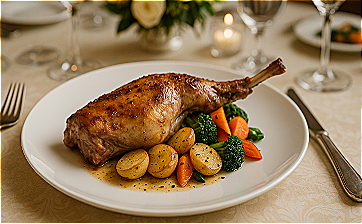
Valori nutrizionali indicativi (per 100 g di carne cruda, parte edibile)
• Energia: 130–160 kcal
• Proteine: 20–22 g
• Grassi totali: 5–8 g
• SFA (acidi grassi saturi): 1,5–2,5 g
• MUFA (monoinsaturi): 2–3 g
• PUFA (polinsaturi): 1–2 g — con buona quota di n-6 (linoleico) e n-3 (ALA)
• Colesterolo: 55–65 mg
• Carboidrati: 0 g
• Sodio intrinseco: 50–60 mg
• Micronutrienti (medi): Ferro 1–1,5 mg; Fosforo 200–230 mg; Potassio 320–350 mg; Zinco 1,5–2 mg; Selenio 25–30 µg; Vitamina B3 (niacina) 7–9 mg; B6 0,4–0,6 mg; B12 0,3–0,7 µg
Principali sostanze contenute
• Proteine miofibrillari (actina, miosina, tropomiosina) ad alto valore biologico (VB ~82–85).
• Collagene basso (≈1,5–2%): responsabile della buona tenerezza.
• Lipidi con prevalenza di acidi grassi insaturi (MUFA e PUFA), rapporto favorevole n-6/n-3 ≈ 4:1.
• Minerali e vitamine del gruppo B in quantità simili o superiori alle carni avicole.
Processo di produzione
• Allevamento con alimentazione vegetale bilanciata → macellazione controllata → eviscerazione → raffreddamento rapido (0–4 °C) → sezionamento → confezionamento (vuoto o MAP).
• Eventuali trasformazioni: disosso, marinatura, salatura o cottura controllata (arrosti, affettati cotti).
Proprietà fisiche
• Colore: rosa pallido → rosato-bruno chiaro dopo la cottura.
• pH finale: 5,6–6,2.
• aw elevata → elevata deperibilità se non refrigerata.
• WHC (capacità di ritenzione idrica) buona, ma sensibile a pH e temperatura di lavorazione.
Proprietà sensoriali e tecnologiche
• Sapore delicato e leggermente dolce, simile al pollo ma più aromatico.
• Consistenza tenera, struttura muscolare compatta e a grana fine.
• Adatta a tutte le tecniche di cottura: arrosto, brasato, griglia, umido, sous-vide.
• Buona resa tecnologica, ottima capacità di assorbire marinature.
• In emulsioni o ripieni, la matrice proteica conferisce stabilità e compattezza.
Impieghi alimentari
• Cucina domestica/ristorazione: arrosti, spezzatini, ragù, cotture lente o grigliate.
• Industria alimentare: burger, ripieni, piatti pronti refrigerati, sughi e insaccati cotti.
• Prodotti trasformati: carni marinate, affumicate, sottovuoto o in salse.
Nutrizione e salute
La carne di coniglio è considerata un alimento ad alto valore proteico e basso impatto lipidico.
• Fonte eccellente di proteine complete, ferro, fosforo, niacina e selenio.
• Profilo lipidico equilibrato con prevalenza di acidi grassi insaturi (MUFA/PUFA) rispetto ai saturi (SFA).
• Utile nelle diete ipocaloriche e ipocolesterolemizzanti.
• Priva di carboidrati e naturalmente povera di sodio.
• Benefica per bambini, anziani e sportivi per l’alto valore biologico e la digeribilità.
• Un consumo eccessivo di carni grasse o cotte ad alte temperature può aumentare la formazione di composti ossidativi: preferire cotture moderate e tempi brevi.
Nota porzione: 120–150 g cotti (≈160–200 g crudi) per piatto principale; 60–80 g come ingrediente.
Allergeni e intolleranze
• La carne di coniglio non contiene allergeni riconosciuti secondo il Reg. (UE) 1169/2011.
• Le reazioni allergiche alla carne di coniglio sono rare ma possibili nei soggetti sensibilizzati a proteine animali (soprattutto nei lavoratori esposti).
• Totalmente gluten-free e lactose-free.
• Nessuna correlazione nota con intolleranze alimentari comuni.
• Evitare contaminazioni crociate con uova, latticini o cereali durante la trasformazione.
Qualità e specifiche (parametri tipici)
• Umidità: 70–74%
• Proteine: 20–22%
• Grassi: 5–8%
• Collagene/proteine totali: ≤ 2%
• pH finale: 5,8–6,2
• Colore (Lab*): L* 52–58; a* 6–8; b* 10–12
• Salmonella assente/25 g; Listeria monocytogenes <100 ufc/g (RTE)
• Residui veterinari e contaminanti conformi alla normativa UE
Conservazione e shelf-life
• Refrigerato (0–4 °C): 5–7 giorni (in vuoto/MAP fino a 10 giorni).
• Surgelato (≤ −18 °C): 8–12 mesi.
• Evitare fluttuazioni termiche e scongelamenti ripetuti.
• Congelare rapidamente dopo la macellazione per mantenere succosità e stabilità proteica.
Sicurezza e regolatorio
• Produzione conforme a GMP/HACCP e alla normativa europea per carni bianche.
• Etichettatura obbligatoria con origine, lotto, temperatura di conservazione e data di scadenza.
• Nessun allergene intrinseco; rischio microbiologico gestito con igiene e cottura adeguata (≥ 74 °C al cuore).
Etichettatura
• Denominazione: “carne di coniglio” o specifica del taglio anatomico (coscia, sella, spalla).
• Stato (fresco/surgelato), tipo di confezione (vuoto/MAP), origine (Paese di allevamento e macellazione), data di scadenza/TMC, istruzioni di conservazione.
Troubleshooting
• Carne asciutta o stopposa → cottura eccessiva o temperatura troppo alta → preferire cotture lente e umide.
• Odore anomalo → conservazione prolungata o non refrigerata → rispettare la catena del freddo.
• Purge eccessivo → pH basso o stress pre-macellazione → migliorare il processo di raffreddamento.
• Colore scuro → ossidazione lipidica o esposizione a ossigeno → confezionare sottovuoto.
Sostenibilità e filiera
• La produzione cunicola ha un’impronta GHG (gas serra) moderata, inferiore a quella delle carni bovine e suine.
• Buona efficienza di conversione alimentare (FCR ~3:1).
• Importanza di gestire benessere animale, uso di antibiotici e smaltimento reflui.
• In impianto: riduzione BOD/COD delle acque di lavaggio, ottimizzazione energetica e packaging riciclabile.
Principali funzioni INCI (cosmesi)
• Hydrolyzed Rabbit Protein: hair/skin conditioning, film-forming; applicazioni limitate in prodotti per pelli sensibili o naturali.
Conclusione
La carne di coniglio rappresenta una delle fonti proteiche animali più leggere, digeribili e bilanciate dal punto di vista nutrizionale. Ricca di proteine ad alto valore biologico e povera di grassi saturi, offre un profilo lipidico favorevole e un sapore delicato. Con adeguate pratiche di produzione e conservazione, costituisce un alimento sano, sicuro e sostenibile.
Mini-glossario
• SFA/MUFA/PUFA: acidi grassi saturi/mono/polinsaturi — i PUFA (in particolare n-3) supportano la salute cardiovascolare.
• VB: valore biologico — misura della qualità proteica in base alla composizione amminoacidica.
• WHC: water holding capacity — capacità di trattenere acqua durante la cottura o conservazione.
• MAP: modified atmosphere packaging — confezionamento in atmosfera protettiva.
• GHG: greenhouse gases — gas a effetto serra.
• BOD/COD: domanda biochimica/chimica di ossigeno — indicatori del carico organico dei reflui.
• GMP/HACCP: buone pratiche di fabbricazione / analisi dei pericoli e punti critici di controllo.
Bibliografia__________________________________________________________________________
Siddiqui, S. A., Gerini, F., Ikram, A., Saeed, F., Feng, X., & Chen, Y. (2023). Rabbit meat—production, consumption and consumers’ attitudes and behavior. Sustainability, 15(3), 2008.
Abstract. Rabbit meat could play an important role in health, the rural economy, and sustainable development. Rabbit meat has excellent nutritional features, such as high protein content, low-fat content, and a high percentage of unsaturated fatty acids, low cholesterol and sodium levels. In addition, rabbit meat production contributes to maintaining economic activities in rural marginal areas. However, the consumption of rabbit meat is still limited due to several factors such as the higher cost of commercial food that is slowing down rabbits’ breeding. Socio-demographic characteristics, attitudes, and nationality of consumers influence the demand and consumption of rabbit meat. The social and economic changes of the past years are leading to an increased interest in rabbit meat products with convenience characteristics. Consumers are also increasingly paying attention to animal husbandry methods for health concerns and ethical reasons. This paper presents an overview of rabbit meat focusing on production, nutritional composition, consumers’ preferences, and marketing. The review proposes strategies that, coupled with information campaigns could improve consumers’ knowledge of the positive characteristics of rabbit meat, which would contribute to the market development.
Hernández, P. (2008, June). Enhancement of nutritional quality and safety in rabbit meat. In Proceedings of the 9th world rabbit congress, Verona, Italy (pp. 10-13).
Abstract. Nutritional value and safety have gained great importance among the factors that determine meat quality. The close relationship between diet and health has lead to changes in consumer habits, demanding products that meet their dietary and nutritional preferences. Rabbit meat is highly valued for its nutritional and dietary properties; it is a lean meat with a low-fat content and less saturated fatty acids and cholesterol than other meats. In this review, a short description of the nutritional value of rabbit meat is provided and the role of rabbit meat as a functional food is discussed. Rabbit meat consumption could be a good way to provide bioactive compounds to human consumers, since manipulation of rabbit’s diet is very effective in increasing the levels of ω3 PUFA, CLA or Vitamin E. An overview of the possibilities to incorporate these bioactive compounds in rabbit meat is offered. Food safety is an important and essential aspect for consumers, especially on the meat sector since numerous crises have recently affected meat production. Bovine Spongiform Encephalitis (BSE) in bovine, high dioxin levels in chicken meat, the danger of increased spread of other infectious disease (e.g. Foot and Mouth disease, Avian influenza, etc.), as well as pathogens such as Salmonella, Listeria monocytogens, Campylobacter and Escherichia coli 0157:H7 have recently contaminated the European livestock and meat chains. Microbiological quality, presence of chemical residues, animal identification and traceability issues as well as the hazard analysis and critical control points system in rabbit meat production is discussed.
Cullere, M., & Dalle Zotte, A. (2018). Rabbit meat production and consumption: State of knowledge and future perspectives. Meat science, 143, 137-146.
Abstract. Since the 1970s, in some European countries rabbit meat production has progressively become a highly specialized industry, which has made Europe the second (after China) largest rabbit meat producer in the world. However, the industry is currently facing a critical period due to structural weaknesses, progressive and constant reductions in consumption, and raising criticism related to welfare conditions and other ethical issues. This trend is questioning the future of the rabbit meat industry, which could lead to the loss of knowledge and technical expertise acquired over decades of major investments and research efforts (a valuable cultural and professional heritage for future generations). In the present review, we provide an overview of the rabbit meat industry, market and value chain, we depict consumer's attitude towards rabbit meat, highlighting strengths and weaknesses, and factors driving their current purchase behavior. Finally, we will attempt to outline possible strategies to ensure a sustainable future for the production of rabbits for commercial meat purposes.
Cullere, M., & Dalle Zotte, A. (2018). Rabbit meat production and consumption: State of knowledge and future perspectives. Meat science, 143, 137-146.
Abstract . When choosing food products, the consumer is not only looking at their obvious nutritional function, but is increasingly looking for products that support health or counteract the onset of disease. Functional food is defined as food containing one or more ingredients that are not nutritional and have a selective and positive effect on specific functions of the human body. These are foods and beverages that have a documented beneficial effect on human health beyond that attributable to the presence of nutrients considered as essential. Rabbit meat, thanks to a number of positive properties such as its high content of easily digestible protein, low cholesterol content, low sodium content and favourable fatty acid profile, can be classified as a functional product with a positive effect on the human body.
Ruleva, T. A., Sarbatova, N. Y., & Shebela, K. Y. (2015). Nutritional value of rabbit meat. World science, 4(4 (4)), 68-70.
Abstract. Production of rabbit is a promising branch of animal husbandry. Rabbit meat is a dietary product, because it contains little fat, connective tissue, cholesterol, and sodium salts. Rabbit meat is rich in protein, iron, phosphorus, cobalt, vitamins PP, C, B6, B12, is close-grained and has a high digestibility. Rabbit meat retains its taste and nutritional advantages not only fresh, but also in smoked and canned forms. According to research, rabbit serves as a valuable food product for the manufacture of semi-finished products, pates, soups, sausages and corned beef. Food prepared from rabbit meat, is not only of high nutritional value, but also has the taste of qualities, tender and juicy texture. A large variety of dishes can be made of rabbit meat. Having given the biological value of rabbit meat, nutritionists advise to include it on the menu for people at any age. It is useful for children as a source of protein for the growing organism; for older people as a nutritious and easily digestible product; for women, who are recovering, as meat; for men as a valuable protein to support muscles in sport training. Nutritionists advise to use rabbit for people with gastritis and gastric ulcer, colitis and enter colitis, atherosclerosis and hypertension, kidney disease and diabetes. Pure rabbit is sometimes the only option of the beef diet for people with those kinds of allergies, who are contraindicated animal meat. Rabbit meat is known as hypoallergenic. The diet on rabbit meat helps to reduce allergies. But rabbit meat must be natural, without drugs, hormones, growth factors, antibiotics in the diet. Therefore, the value of rabbit is, that with increasing number of patients with allergies, sometimes the meat is the only available type of meat that has no contraindications, and can be recommended to everybody without exception. And the appearance of the meat on store shelves is a real godsend for allergy sufferers.
Frunză, G., Murariu, O. C., Ciobanu, M. M., Radu-Rusu, R. M., Simeanu, D., & Boișteanu, P. C. (2023). Meat quality in rabbit (Oryctolagus cuniculus) and hare (Lepus europaeus Pallas)—A nutritional and technological perspective. Agriculture, 13(1), 126.
Abstract. This study aimed to nutritionally and technologically characterize the meat produced by rabbit (Oryctolagus cuniculus, Flemish Giant breed, 50 farmed individuals) and hare (Lepus europaeus Pallas, 50 hunted individuals). Muscles were sampled from several carcass regions: dorsal torso—Longissimus dorsi (LD), thigh—Semimembranosus (SM), and upper arm—Triceps brachii (TB). To better depict the meat’s nutritional quality, the proximate composition and fatty acid profile were assessed, and then gross energy content and lipid sanogenic indices (Polyunsaturation—PI, atherogenic—AI, thrombogenic—TI, hypocholersyerolemic/hypercholesterolemic ratio—h/H, Nutritional Value Index—NVI) were calculated. pH values at 24 and 48 h post-slaughter, cooking loss (CL), and water-holding capacity (WHC) were the investigated technological quality traits. Gross energy was higher in rabbit TB samples, compared with hare, due to more accumulated lipids (p < 0.001). pH value was higher for TB muscles in both species; the WHC was higher for hare (p < 0.001), and CL was higher for rabbit (p < 0.001). The PI values were 6.72 in hare and 4.59 in rabbit, AI reached 0.78 in hare and 0.73 in rabbit, TI was calculated at 0.66 in hare and 0.39 in rabbit, and the h/H ratio reached 3.57 in hare and 1.97 in rabbit, while the NVI was 1.48 in hare and 1.34 in rabbit samples. Meat from both species is nutritionally valuable for human consumers, meeting nutritional values better than the meat of farmed or other wild species of fowl and mammals. Hare meat was found to be healthier than rabbit in terms of lower fat content, lighter energy, and better lipid health indices.
Montero, L., Pérez, C. E., Puig, A. B., & Vera, J. M. B. (2018). Analysis of the commercial value of rabbit meat based on positioning of the different types of fresh meat. Spanish journal of agricultural research, 16(3), 3.




