



Pork tenderloin
(from Sus scrofa domesticus)
Description
• Lean, tender loin muscle running along the spine, with very little visible fat.
• Considered one of the most premium pork cuts for tenderness, juiciness, and delicate flavor.
• Used fresh or cooked, whole or sliced (medallions); ideal for high-protein, low-fat applications.
Indicative nutrition values (per 100 g raw)
• Energy: 120–140 kcal
• Protein: 21–23 g
• Total fat: 3–4 g
• SFA ~1.3 g
• MUFA ~1.4 g
• PUFA ~0.3 g (mainly n-6)
• Cholesterol: 60–70 mg
• Carbohydrate: 0 g
• Intrinsic sodium: 55–70 mg
• Vitamins & minerals: good source of vitamin B1 (thiamine), vitamin B6, niacin, phosphorus, zinc, selenium.
Key constituents
• High–biological value proteins with all essential amino acids.
• Structural lipids with a predominance of saturated and monounsaturated fatty acids; small polyunsaturated fraction.
• B-vitamins and minerals supporting energy metabolism and muscle function.
• Myoglobin pigments giving the characteristic pink color.
Production process
• Slaughter per meat hygiene regulations.
• Deboning and trimming to isolate the loin muscle.
• Rapid chilling (0–4 °C) to preserve tenderness and microbiological stability.
• Optional vacuum or MAP packing to extend shelf-life.
Physical properties
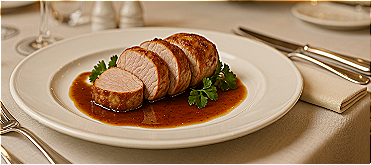
• Appearance: lean, pink meat with minimal marbling.
• Aroma/flavor: delicate, typical of light pork.
• Texture: very tender; remains juicy with controlled cooking.
• pH: 5.5–5.8.
• Water-holding: good when cooked below ~70 °C core.
Sensory & technological properties
• Retains juiciness and tenderness if not overcooked.
• Suited to quick cooking (grill, pan, oven roast).
• Marination/seasoning enhances flavor and yield.
• High cook yield and stable color.
Food applications
• Fresh products: whole tenderloins, medallions, sliced steaks.
• Culinary preparations: roasts, scaloppine, skewers, roulades.
• Processed items: cooked slices, ready meals, high-protein dishes.
• Widely used in foodservice for light, gourmet plates.
Nutrition & health
Pork tenderloin provides complete proteins with low fat, especially when trimmed of external fat.
• Notable for vitamin B1, supporting energy metabolism and the nervous system.
• Supplies selenium and zinc for immune and antioxidant functions.
• Lower saturated fat than many other pork cuts, fitting calorie- and fat-conscious diets.
• Moderate amounts of n-6 polyunsaturates and monounsaturates contribute to a balanced lipid profile when consumed as part of a varied diet.
• Zero carbohydrates; high protein makes it suitable for high-protein or calorie-controlled plans.
Portion note: typical raw portion 120–150 g (≈ 25–30 g protein per serving).
Quality & specifications (typical topics)
• pH 5.5–5.8; color L* >45; post-cook yield ≥80%.
• Intramuscular fat: <3%.
• Microbiology: total count <10⁴ CFU/g; Salmonella absent/25 g.
• Residues: compliant with MRL for veterinary drugs/metals.
• Full traceability per regulations.
Storage & shelf-life
• Chilled (0–4 °C): 5–7 days; vacuum up to ~21 days.
• Frozen (≤ −18 °C): up to 12 months.
• Avoid temperature swings to preserve color and texture.
Safety & regulatory
• Falls under fresh pork rules for hygiene, traceability, and animal welfare.
• Controlled under GMP/HACCP during slaughter, cutting, and packing.
• No additives permitted in unprocessed fresh meat.
Labeling
• Name: “pork tenderloin.”
• Mandatory origin and country of rearing/slaughter.
• If packed: date code, storage conditions, net weight, lot.
Troubleshooting
• Surface drying → poor seal → use vacuum or MAP.
• Metallic/sour notes → oxidation → lower storage temperature, reduce air exposure.
• Tough after cooking → overcooked → target ≤70 °C core and rest before slicing.
Sustainability & supply chain
• Sourced from traceable farms operating under GMP/HACCP; manage plant effluents to BOD/COD targets.
• Options for local/certified welfare supply chains.
• By-products valorized for feed or biogas; impacts reduced via responsible farming and energy/water recovery.
INCI functions (cosmetics) (when used as derivatives)
• Hydrolyzed Pork Protein / Collagen: film-forming, moisturizing, skin-conditioning in select cosmetic applications.
Conclusion
Pork tenderloin is a premium, lean, and nutritious cut offering high digestibility, excellent protein quality, and low fat. With proper trimming, cooking, and cold-chain control, it delivers strong technological performance and a favorable nutritional profile.
Mini-glossary
• SFA — saturated fatty acids.
• MUFA — monounsaturated fatty acids.
• PUFA — polyunsaturated fatty acids (n-6, n-3).
• MRL — maximum residue limit for pharmacologically active substances.
• MAP — modified atmosphere packaging.
• GMP/HACCP — good manufacturing practice / hazard analysis and critical control points.
• BOD/COD — biochemical/chemical oxygen demand, wastewater impact indicators.

