



White beans
Description
Dried seeds of legumes (predominantly Phaseolus vulgaris): common types include cannellini, navy/haricot, great northern, and lima/butter (larger, creamier).
Sensory profile: mild, slightly nutty, creamy flesh with a thin skin; excellent ability to absorb flavors.
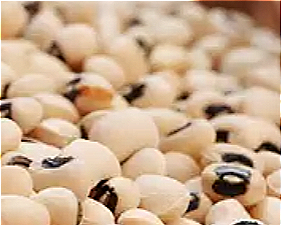
Common name: White beans
(Group including several white-seeded cultivars of Phaseolus vulgaris: cannellini, navy bean, great northern bean, etc.)
Source plant: Phaseolus vulgaris L.
Kingdom: Plantae
Clade: Angiosperms
Clade: Eudicots
Order: Fabales
Family: Fabaceae
Genus: Phaseolus
Species: Phaseolus vulgaris L.
Note: “White beans” generally refers to varieties of Phaseolus vulgaris with white or cream-colored seeds. Common types include cannellini, navy bean (small white bean), great northern bean and large “corona” beans.
Cultivation and growing conditions of white beans
Climate:
Prefer warm, temperate climates.
Sensitive to cold: late frosts and low temperatures at germination can severely affect development.
Mainly grown as a spring–summer crop in temperate regions.
Exposure:
Require full sun for vigorous growth, uniform flowering and good pod set.
Soil:
Thrive in medium-textured, deep, well-drained soils.
Prefer slightly acidic to neutral pH.
Sensitive to waterlogging, which promotes root rot and fungal diseases.
Watering:
Need a regular water supply, especially at critical stages: emergence, flowering and seed filling.
Avoid marked alternation between drought and heavy irrigation, which can cause pod splitting and increase disease problems.
Temperature:
Germinate well when soil temperature is around 15–20 °C.
Optimal growth between about 18 and 28 °C.
Fertilization:
As legumes, through rhizobia they fix atmospheric nitrogen and do not require high mineral nitrogen inputs.
Phosphorus, potassium and micronutrients are more important to support flowering and seed development.
Incorporation of compost or well-rotted manure before sowing is useful, especially in poor soils.
Crop management:
Early weed control is important while seedlings are still small and not very competitive.
Mulching can help maintain soil moisture and limit weed growth.
Climbing varieties need supports (canes, nets, wires).
Crop rotation:
Well suited for rotation with cereals and other non-legume crops.
Help improve soil fertility thanks to nitrogen fixation and crop residues.
Propagation:
By seed, direct sown in the field after the end of frosts, when the soil is sufficiently warm.
Caloric value (per 100 g)
Dry (as sold): ~320–350 kcal.
Cooked in water, no salt: ~95–120 kcal, protein 7–9 g, carbohydrate 18–22 g (fiber 5–8 g), fat 0.5–1.5 g.
Canned (drained): comparable to cooked; sodium varies (rinsing lowers sodium).
Key constituents
Complex carbohydrates: starch (with resistant starch forming upon cooling).
Proteins 20–24% d.b. (globulins: phaseolin, legumin); sulfur amino acids are limiting → complement with cereals.
Dietary fiber (soluble/insoluble: pectins/hemicelluloses).
Oligosaccharides (raffinose, stachyose; FODMAP).
Phytochemicals: polyphenols (tannins, flavonoids), phytates (mineral chelators), saponins.
Minerals/vitamins: potassium, magnesium, iron, phosphorus; folate and thiamine (B1).
Typical QC markers: moisture (dry), defects/foreign matter; for canned—drained weight, NaCl, pH.
Production process
Dry: selection, cleaning, sizing, controlled drying, barrier packaging.
Cooked/RTE: soaking (or rapid hydration), boiling/pressure cooking to tenderness, optional brine, retort sterilization for canned.
Flours/semis: milling (cryogenic or roller), optional heat treatment to inactivate inhibitors.
Sensory and technological properties
Provide body and viscosity to soups/sauces; effective binder for veg burgers and fillings.
High purée-ability; skins add fiber and structure.
Stability: cooling increases RS3 (retrograded resistant starch) with slight gelation.
Food uses
Minestrone, pasta e fagioli, warm/cold salads, spreads (e.g., cannellini “hummus”), braises/stews, protein-balanced grain dishes, filled pastas and gnocchi using bean flour.
Nutrition and health
Fiber-dense and a good source of folate; very low fat.
Source of plant protein, fiber, and folate; GI typically low–medium, further reduced by cooling (↑ RS) and pairing with fat/protein.
Other components: Salicylic acid (1), iron and zinc (2), The flavonol glycosides phenolic compounds found in common beans possess antimicrobial, anti-inflammatory and ultraviolet radiation (UVR) protective properties (3),
Glycemic index (GI) is moderate, further attenuated by cooling and by eating with fats/proteins.
Sodium: prefer low-salt options; rinse canned beans.
Antinutrients (phytates, lectins, amylase inhibitors): soaking + thorough cooking (pressure cooking is effective) and fermentation/sprouting improve mineral bioavailability.
FODMAPs: oligosaccharides may cause bloating; discard soak water and rinse canned to reduce them.
Lipid profile
Total fat is low; the lipid fraction is mainly PUFA (polyunsaturated fatty acids, notably linoleic—potentially beneficial when balanced) and MUFA (monounsaturated fatty acids, e.g., oleic—often neutral/favorable), with minimal **SFA (saturated fatty acids, advisable to moderate in the overall diet).
Quality and specifications (typical topics)
Dry: moisture ≤14–16%, no insect damage, uniform caliber, low breakage.
Canned: drained weight in spec, uniform texture (avoid “overcook”), declared sodium; optional CaCl₂ as firming agent.
Microbiology: category-appropriate (commercial sterility for canned; pathogens absent/25 g).
Residues: pesticides/heavy metals within limits; absence of foreign bodies.
Storage and shelf-life
Dry: cool, dry, dark storage; avoid high T/RH (prevents hard-to-cook defect).
Cooked/refrigerated: ≤4 °C, 3–4 days; freezable after cooking and draining.
Allergens and safety
Not among EU major allergens, but cross-reactivity can occur in those allergic to other legumes (e.g., soy, peanut).
Lectins: ensure vigorous boiling (slow cookers at low T may be insufficient).
Gluten-free by nature; verify cross-contact in facilities.
INCI functions in cosmetics
Possible entries: Phaseolus Vulgaris (Bean) Extract / Seed Extract.
Roles: skin conditioning, antioxidant, masking in specific products (limited use; ensure safety/claims compliance).
Troubleshooting
Endless cooking/hard texture: aged beans/HTC → 8–12 h soak in lightly salted water, pressure cook; a small baking soda dose (0.1–0.2%) can help.
Skins slipping: thermal shocks/alkalinity → maintain gentle simmer, salt during/after; minimal CaCl₂ if added firmness is needed.
Gas/bloating: replace soak water, rinse well, increase portion gradually; use carminative herbs (bay, fennel).
Flat flavor: under-salting/low acidity → balance with salt, acids (lemon/vinegar), and good fats (olive oil).
Sustainability and supply chain
As nitrogen-fixing legumes, beans reduce synthetic fertilizer needs; GHG footprint is lower than animal proteins.
Improve with crop rotations, efficient water/energy use in soaking/cooking, effluent treatment toward **BOD/COD targets; recyclable packaging; full traceability under **GMP/HACCP.
Conclusion
White beans are a versatile, nutrient-dense, sustainable ingredient that supplies fiber, protein, and micronutrients with very little fat. Proper soaking/cooking and pairing with cereals optimize bioavailability, digestibility, and sensory quality.
Mini-glossary
GI — Glycemic index: relative blood-glucose response; decreases with fiber, fats, and after cooling (↑ RS3).
RS3 — Resistant starch (retrograded): less-digestible fraction that can blunt post-meal glucose.
FODMAP — Fermentable oligo-, di-, mono-saccharides and polyols: can cause bloating; soaking/rinsing reduces them.
SFA — Saturated fatty acids: excessive intake may raise LDL cholesterol.
MUFA — Monounsaturated fatty acids (e.g., oleic): often neutral/favorable for blood lipids.
PUFA — Polyunsaturated fatty acids (e.g., linoleic): beneficial when balanced; more oxidation-prone.
GMP/HACCP — Good Manufacturing Practice / Hazard Analysis and Critical Control Points: hygiene/preventive systems with defined CCP.
CCP — Critical control point: a step where control prevents/reduces a hazard (e.g., commercial sterility, cooling).
BOD/COD — Biochemical/Chemical oxygen demand: indicators of wastewater impact across the supply chain.

