



Peperoncino poblano (fresh poblano; Capsicum annuum L., fam. Solanaceae)
(quando essiccato: “ancho”; lunga maturazione scura: “mulato”)
Descrizione
Cultivar messicana a pungenza lieve–moderata (circa 1.000–2.000 SHU), frutto grande, verde scuro da fresco, che vira al rosso–bruno a piena maturazione.
Profilo sensoriale da fresco: note verdi/erbacee e terrose, lieve amaricante; da arrostito: affumicato, dolce, più complesso.
Da secco (ancho): aromi uva passa/prugna, cacao, tabacco, pungenza bassa.
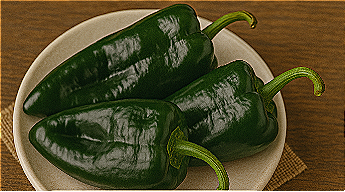
Nome comune: Peperoncino poblano
Pianta di origine: Capsicum annuum L. (famiglia Solanaceae)
Regno: Plantae
Clado: Angiosperme
Clado: Eudicotiledoni
Ordine: Solanales
Famiglia: Solanaceae
Genere: Capsicum
Specie: Capsicum annuum L.
Nota: Il poblano è un peperoncino di origine messicana, caratterizzato da frutti grandi, carnosi, di forma conica, con bassa piccantezza e aroma ricco. Da maturo diventa rosso scuro; una volta essiccato prende il nome di ancho. È uno dei peperoncini fondamentali della gastronomia messicana.
Coltivazione e condizioni di crescita del peperoncino poblano
Clima:
Predilige climi temperato–caldi.
Sensibile al gelo, specialmente nelle prime fasi di crescita.
Necessaria una stagione relativamente lunga per permettere ai frutti di svilupparsi completamente e maturare.
Esposizione:
Richiede pieno sole (6–8 ore al giorno).
L’ombreggiamento riduce produttività e ritarda la maturazione.
Terreno:
Preferisce suoli fertili, profondi, ben drenati, di medio impasto.
pH ideale leggermente acido–neutro (circa 6–7).
Non tollera i ristagni idrici, che favoriscono marciumi radicali.
Irrigazione:
Richiede irrigazioni regolari, soprattutto in fioritura e durante l’ingrossamento dei frutti.
Evitare brusche alternanze tra siccità ed eccesso d’acqua, che possono causare:
caduta dei fiori
spaccature dei frutti
sviluppo irregolare
Ridurre leggermente l’acqua nelle ultime settimane favorisce la maturazione uniforme.
Temperatura:
Germinazione ottimale: 20–25 °C.
Crescita ottimale: 20–30 °C.
Temperature inferiori a 12–14 °C rallentano la crescita.
Concimazione:
Richiede un buon apporto di sostanza organica (compost o letame maturo).
Fosforo e potassio migliorano fioritura, allegagione e qualità dei frutti.
L’azoto va somministrato con moderazione per evitare eccesso di vegetazione.
Cure colturali:
Controllo delle infestanti nelle prime fasi di crescita.
Pacciamatura utile per conservare l’umidità e limitare le erbe spontanee.
Le piante, abbastanza vigorose, possono beneficiare di un leggero tutoraggio.
Eventuale spuntatura per aumentare la ramificazione.
Raccolta:
I poblanos si raccolgono generalmente verdi, quando sono grandi e carnosi.
Lasciati sulla pianta maturano fino a diventare rossi, più aromatici e leggermente più piccanti.
I frutti rossi destinati all’essiccazione diventano ancho.
Moltiplicazione:
Tramite seme, con semina in semenzaio protetto e trapianto quando le temperature esterne sono stabilmente miti.
Valore calorico (per 100 g di prodotto)
Fresco: ~20–30 kcal/100 g; carboidrati ~6 g, zuccheri ~2–4 g, fibre ~1–2 g, proteine ~1 g, grassi ~0,2 g.
Essiccato (ancho intero/polvere): ~250–320 kcal/100 g (concentrazione dei solidi).
Sodio naturalmente basso.
Principali sostanze contenute
Capsaicinoidi (soprattutto capsaicina e diidrocapsaicina) a bassi livelli.
Carotenoidi (capsantina/capsorubina nei frutti maturi rossi), clorofille nei verdi (con possibile pfeofitinizzazione in cottura).
Vitamina C (elevata da fresco), vitamina A (pro-vitamina, da carotenoidi), potassio; polifenoli minori.
Marcatori analitici: SHU (Scoville), capsaicinoidi via HPLC, colore (Lab* o ASTA per polveri), umidità/aw (secco).
Processo di produzione
Coltivazione e raccolta a verde o a rosso → selezione → per uso fresco: lavaggio, calibratura, confezionamento; per essiccato: essiccazione ad aria/sole/forno a bassa T° (controllo aw), eventuale tostatura leggera → destinazione intero/scaglie/polvere.
Arrostiti (uso gastronomico): bruciatura della pelle → spellatura → rimozione placenta/semi → impiego.
Operare sotto GMP/HACCP con controllo corpi estranei e infestanti.
Proprietà sensoriali e tecnologiche
Pungenza lieve: adatto a piatti familiare-friendly.
Aromi e zuccheri si concentrano nell’essiccazione; reidratazione (15–30 min) restituisce consistenza per salse/mole.
Colore sensibile a luce/ossigeno/pH; i carotenoidi ossidano, le clorofille virano a oliva in acidità/riscaldo prolungato.
Impieghi alimentari
Fresco: chiles rellenos, rajas con crema, salse verdi, stufati, griglia/forno.
Essiccato (ancho/mulato): mole poblano, adobo, salse rosse, marinate, polveri per rub/snack.
Dosaggi indicativi: polvere 0,2–1,0%; reidratato 5–15% in salse; arrostito q.b. in ripieni e contorni (validare con prove pilota).
Nutrizione e salute
Basso apporto energetico da fresco; vitamina C termolabile → preferire cotture brevi o uso a crudo per preservarLa.
Capsaicina a livelli moderati: possibile irritazione in soggetti sensibili (cute/mucose).
Evitare claim salutistici non autorizzati.
Profilo dei grassi
Grassi totali trascurabili; SFA, MUFA, PUFA solo in tracce senza impatto nutrizionale alle porzioni d’uso.
Qualità e specifiche (temi tipici)
Fresco: pezzatura, colore uniforme, turgore, assenza di difetti (sunscald, muffe); residui pesticidi/metalli nei limiti.
Secco/polvere: umidità (≤10–12%), aw (≤0,60–0,65), assenza infestanti, colore ASTA, capsaicinoidi HPLC, carica microbica conforme; controllo micotossine (aflatossine/ocratossina) e corpi estranei.
Conservazione e shelf-life
Fresco: refrigerato 4–7 °C, alta umidità relativa; consumo entro 7–10 giorni.
Secco/polvere: fresco/asciutto/buio in imballi barriera; 12–24 mesi se ben protetto; richiudere per limitare ossidazione e perdita aroma.
Applicare FIFO.
Allergeni e sicurezza
Il Capsicum non è allergene maggiore UE; rare reazioni crociate (es. latex-fruit syndrome).
Polveri piccanti: DPI in produzione; evitare cross-contamination con altri allergeni.
Capsaicina irritante: etichettare l’eventuale pungenza e raccomandare uso responsabile.
Funzioni INCI in cosmesi
Denominazioni: Capsicum Annuum Fruit Extract / Capsicum Annuum (Pepper) Extract.
Ruoli: rubefacient/warming, fragrance; attenzione a pH della formula e concentrazione (rischio irritazione).
Troubleshooting
Bucce dure/amarognole da arrostito: bruciare e spellare completamente; eliminare semi/placenta.
Salsa piatta con ancho: tostare brevemente i peperoncini, reidratare e frullare con liquido di ammollo filtrato; bilanciare con acidi (aceto/agrume), sale e dolcezza (uva passa).
Muffe nel secco: verificare aw e integrità degli imballi; scartare prodotto compromesso.
Colore spento: ridurre esposizione a luce/ossigeno; preferire lotti più freschi; aggiunta tardiva in cottura.
Sostenibilità e filiera
Coltura annuale con pratiche di IPM (lotta integrata); scarti (torsoli/semi) valorizzabili per olio di semi o mangimi.
In trasformazione: gestione reflui verso target BOD/COD; imballaggi riciclabili; tracciabilità GMP/HACCP.
Conclusione
Il poblano offre versatilità e pungenza gentile, perfetto da fresco arrostito e come ancho in salse complesse. Controllo di qualità, umidità/aw e trattamento termico mirato assicurano stabilità sensoriale e ripetibilità in cucina e in industria.
Mini-glossario
SHU — scoville heat units: misura della pungenza (poblano ~1.000–2.000).
HPLC — high-performance liquid chromatography: titola i capsaicinoidi e marker di qualità.
ASTA — American Spice Trade Association color: indice del colore per spezie/paprica/peperoncini.
aw — attività dell’acqua: ≤0,60–0,65 nei secchi limita microcrescita e muffe.
pH — misura di acidità: influenza stabilità colore e gusto.
SFA — grassi saturi: eccessi nella dieta possono alzare LDL; qui sono tracce.
MUFA — grassi monoinsaturi (es. oleico): in genere favorevoli/neutrali; qui tracce.
PUFA — grassi polinsaturi (n-6/n-3): benefici se bilanciati; nel poblano tracce.
GMP/HACCP — good manufacturing practice / hazard analysis and critical control points: sistemi igienico–preventivi con CCP.
BOD/COD — domanda biochimica/chimica di ossigeno: indicatori dell’impatto dei reflui di processo.
FIFO — first in, first out: rotazione scorte che usa per primi i lotti più vecchi.

