Verbena di limone, meglio conosciuta come Erba cedrina (Aloysia citrodora Paláu)
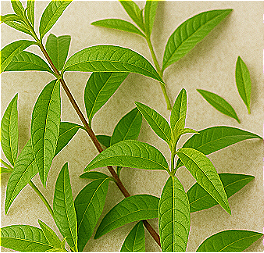
L’erba cedrina è una specie arbustiva decidua, appartenente alla famiglia delle Verbenaceae, coltivata e apprezzata in molte regioni a clima temperato caldo e mediterraneo. Presenta portamento cespuglioso, con rami flessibili e foglie opposte, lanceolate, di colore verde brillante, caratterizzate da una superficie leggermente rugosa. Lo sfregamento delle foglie sprigiona un inconfondibile aroma agrumato, dovuto alla presenza di specifici composti volatili. I fiori sono piccoli, biancastri o lilla, riuniti in infiorescenze terminali a pannocchia.
Dal punto di vista colturale, l’erba cedrina predilige esposizioni soleggiate, un clima mite e suoli ben drenati, da medio impasto a leggermente sabbiosi. Tollera brevi periodi di siccità una volta ben affrancata, mentre risente di gelate intense e prolungate, che possono danneggiare la parte aerea. La potatura regolare favorisce l’emissione di nuova vegetazione e il mantenimento della chioma compatta. La raccolta delle foglie avviene in genere in primavera–estate, quando il contenuto aromatico risulta più elevato. La composizione e l’intensità del profilo aromatico sono influenzate da cultivar, esposizione, fertilità del terreno e condizioni climatiche.
Dal punto di vista chimico, le foglie di erba cedrina contengono una frazione significativa di acqua, oli essenziali e composti terpenici responsabili dell’aroma, tra cui, in prevalenza, citral, oltre a limonene e geraniolo. Sono inoltre presenti piccole quantità di flavonoidi, acidi organici e tracce di minerali quali potassio e calcio. La concentrazione e il rapporto tra i diversi costituenti variano in base a fattori genetici, maturità della foglia, suolo e tecniche colturali.
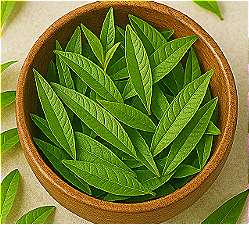
In ambito alimentare, l’erba cedrina è impiegata per l’aromatizzazione di tisane, infusi, sciroppi, preparazioni dolci e bevande, grazie al caratteristico profumo di limone fresco. Le foglie, fresche o essiccate, sono utilizzate anche come complemento aromatico in pietanze e conserve. In ambito tecnico-erboristico, estratti e frazioni oleose possono trovare impiego nella formulazione di prodotti di origine vegetale a vocazione aromatica.
La valutazione qualitativa dell’erba cedrina si basa su intensità e finezza dell’aroma, uniformità cromatica delle foglie, contenuto di olio essenziale, integrità dei tessuti e assenza di alterazioni o contaminazioni. L’attenzione a maturità, modalità di raccolta e corretto processo di essiccazione risulta fondamentale per preservare la fragranza naturale e le proprietà tecnologiche delle foglie.
Classificazione botanica (sistema APG IV)
Nome comune: Erba cedrina (o Limoncina)
Nome botanico: Aloysia citrodora Paláu
Regno: Plantae
Clade: Angiosperme → Eudicotiledoni → Asteridi
Ordine: Lamiales
Famiglia: Verbenaceae
Genere: Aloysia
Specie: Aloysia citrodora Paláu
Valori nutrizionali indicativi per 100 g (foglie essiccate)
| Componente | Valore medio per 100 g circa* |
|---|
| Energia | ~ 320–350 kcal |
| Carboidrati totali | ~ 60–70 g |
| — di cui zuccheri | ~ 4–6 g |
| Fibra alimentare | ~ 35–45 g |
| Proteine | ~ 8–12 g |
| Lipidi totali | ~ 3–5 g |
| — di cui acidi grassi saturi (SFA) | parte della frazione grassa |
| Sodio | molto basso |
| Potassio | ~ 400–500 mg |
* Dati riferiti a foglie essiccate, variabili in funzione di cultivar, provenienza, grado di essiccazione e condizioni agronomiche.
Caratteristiche della pianta
Portamento: arbusto perenne semilegnoso (1,5–3 m di altezza) con rami eretti e flessibili, chioma leggera e fogliame profumato.
Foglie: opposte o verticillate a tre, lanceolate (5–8 cm), margine finemente dentato, di colore verde chiaro; emanano intenso aroma di limone se strofinate.
Fiori: piccoli, bianco-lilla o bianco-verdastri, riuniti in spighe terminali sottili; fioritura estiva (giugno–settembre).
Frutti: piccoli acheni ovoidi contenenti un seme ciascuno.
Radici: fittonanti e ramificate, adatte a terreni ben drenati.
Profumo: fresco, agrumato, dolce e persistente — simile a quello della scorza di limone.
Composizione chimica (principali costituenti delle foglie e dell’olio essenziale)
Olio essenziale (0,2–0,5%): citrale (nerale e geraniale), limonene, geraniolo, 1,8-cineolo, nerolo e β-cariofillene.
Flavonoidi: luteolina, apigenina, diosmetina, con effetti antiossidanti e lenitivi.
Iridoidi: verbenalina, hastatoside, con potenziale attività sedativa e antinfiammatoria.
Fenilpropanoidi: eugenolo, con blanda azione antispasmodica.
Triterpeni e tannini: con funzione protettiva e tonica.
Coltivazione e condizioni di crescita
Clima: temperato-mite; teme il gelo intenso e richiede protezione in inverno nelle zone fredde.
Esposizione: pieno sole; indispensabile per la produzione ottimale di olio essenziale.
Suolo: leggero, drenato, da neutro a subalcalino; evitare ristagni idrici.
Irrigazione: regolare ma moderata; la pianta tollera brevi periodi di siccità.
Potatura: dopo la fioritura per stimolare nuovi getti e mantenere la forma compatta.
Propagazione: per talea estiva o per divisione dei cespi in primavera.
Parassiti e malattie: generalmente resistente; occasionalmente afidi o cocciniglie.
Usi e benefici (tradizionali e supportati da evidenze scientifiche preliminari)
Digestiva e carminativa: favorisce la digestione e allevia gonfiore e spasmi intestinali.
Calmante e rilassante: utile in stati di agitazione, ansia o insonnia lieve.
Antiossidante e antinfiammatoria: grazie alla presenza di flavonoidi e composti fenolici.
Rinfrescante e tonica: impiegata in tisane estive e bevande aromatiche.
Antispasmodica: attenua lievi crampi addominali e tensioni muscolari.
Gli studi scientifici preliminari confermano l’azione sedativa e antiossidante della verbena odorosa, ma ulteriori ricerche cliniche sono necessarie per definirne l’efficacia terapeutica.
Applicazioni
Erboristeria: infusi, estratti secchi o fluidi, olio essenziale; impiego come digestivo e rilassante.
Culinaria: foglie fresche o secche per aromatizzare dolci, tisane, marmellate e bevande.
Cosmetica: oli e estratti in profumi, lozioni e creme a effetto tonificante e rinfrescante.
Aromaterapia: olio essenziale utilizzato per alleviare stress e favorire il sonno.
Ornamentale: pianta decorativa e profumata per giardini e terrazze.
Raccolta e lavorazione
Raccolta: foglie e sommità fiorite durante la piena fioritura estiva.
Essiccazione: all’ombra, in luogo asciutto e ventilato, per preservare aroma e principi attivi.
Conservazione: in contenitori chiusi, al riparo da luce e umidità.
Estrazione: distillazione in corrente di vapore per ottenere l’olio essenziale.
Considerazioni ambientali
Aloysia citrodora è una pianta a basso impatto ambientale, coltivabile anche in suoli poveri e aridi. Attira api e altri insetti impollinatori, contribuendo alla biodiversità locale. L’olio essenziale, se estratto con metodi sostenibili, rappresenta una risorsa naturale rinnovabile ad alto valore aromatico.
Sicurezza, controindicazioni, interazioni
Generalmente considerata sicura alle dosi tradizionali.
Effetti collaterali: rari; in soggetti sensibili può causare lievi irritazioni gastriche.
Olio essenziale: da usare diluito; puro può risultare irritante.
Gravidanza e allattamento: uso alimentare moderato considerato sicuro; evitare l’uso concentrato.
Interazioni: non note interazioni rilevanti con farmaci.
Preparazioni comuni (uso generale, non terapeutico)
Infuso: 1–2 g di foglie secche in 200 ml di acqua calda; lasciare in infusione 5–10 minuti.
Tisana rilassante: miscela con Melissa officinalis e Tilia spp..
Olio essenziale: 2–3 gocce in diffusione o diluite in olio vettore per massaggi rilassanti.
Uso culinario: foglie fresche per aromatizzare bevande, sorbetti o liquori.
Bibliografia__________________________________________________________________________
Rashid HM, Mahmod AI, Afifi FU, Talib WH. Antioxidant and Antiproliferation Activities of Lemon Verbena (Aloysia citrodora): An In Vitro and In Vivo Study. Plants (Basel). 2022 Mar 16;11(6):785. doi: 10.3390/plants11060785.
Abstract. This research aimed to study the chemical composition of Aloysia citrodora methanolic extract and its biological activities as an antioxidant, and its antibacterial, antifungal and anti-inflammatory activities based on four bioclimatic collection stages. The contents of total phenols, total flavonoids and total tannins were determined. Nine phenolic compounds were identified by LC-DAD-ESI-MS/MS. The major compound was acteoside, a phenylpropanoid which represented about 80% of the methanolic fraction in the various regions. The antioxidant activities of different locations were measured by different analytical assays, such as DPPH, ABTS and iron reducing power. The results showed that phenolic compounds and antioxidant activities varied with climatic and environmental factors. Moreover, there was a significant dependency between regions and biological activities. The use of a principal component analysis showed that there was a close relationship among phenylpropanoids, phenolic compounds and the studied biological activities.
Tammar S, Salem N, Aidi Wannes W, Limam H, Bourgou S, Fares N, Dakhlaoui S, Hammami M, Khammassi S, Re GD, Hessini K, Msaada K. Chemometric Profiling and Bioactivity of Verbena (Aloysia citrodora) Methanolic Extract from Four Localities in Tunisia. Foods. 2021 Nov 24;10(12):2912. doi: 10.3390/foods10122912.
Abstract. This research aimed to study the chemical composition of Aloysia citrodora methanolic extract and its biological activities as an antioxidant, and its antibacterial, antifungal and anti-inflammatory activities based on four bioclimatic collection stages. The contents of total phenols, total flavonoids and total tannins were determined. Nine phenolic compounds were identified by LC-DAD-ESI-MS/MS. The major compound was acteoside, a phenylpropanoid which represented about 80% of the methanolic fraction in the various regions. The antioxidant activities of different locations were measured by different analytical assays, such as DPPH, ABTS and iron reducing power. The results showed that phenolic compounds and antioxidant activities varied with climatic and environmental factors. Moreover, there was a significant dependency between regions and biological activities. The use of a principal component analysis showed that there was a close relationship among phenylpropanoids, phenolic compounds and the studied biological activities.
Salama Y, Jaradat N, Hattori K, Heissig B. Aloysia Citrodora Essential Oil Inhibits Melanoma Cell Growth and Migration by Targeting HB-EGF-EGFR Signaling. Int J Mol Sci. 2021 Jul 29;22(15):8151. doi: 10.3390/ijms22158151.
Abstract. Patients diagnosed with melanoma have a poor prognosis due to regional invasion and metastases. The receptor tyrosine kinase epidermal growth factor receptor (EGFR) is found in a subtype of melanoma with a poor prognosis and contributes to drug resistance. Aloysia citrodora essential oil (ALOC-EO) possesses an antitumor effect. Understanding signaling pathways that contribute to the antitumor of ALOC-EO is important to identify novel tumor types that can be targeted by ALOC-EO. Here, we investigated the effects of ALOC-EO on melanoma growth and tumor cell migration. ALOC-EO blocked melanoma growth in vitro and impaired primary tumor cell growth in vivo. Mechanistically, ALOC-EO blocked heparin-binding-epidermal growth factor (HB-EGF)-induced EGFR signaling and suppressed ERK1/2 phosphorylation. Myelosuppressive drugs upregulated HB-EGF and EGFR expression in melanoma cells. Cotreatment of myelosuppressive drugs with ALOC-EO improved the antitumor activity and inhibited the expression of matrix metalloproteinase-7 and -9 and a disintegrin and metalloproteinase domain-containing protein9. In summary, our study demonstrates that ALOC-EO blocks EGFR and ERK1/2 signaling, with preclinical efficacy as a monotherapy or in combination with myelosuppressive drugs in melanoma.
Shirzad H, Alirezalu A, Alirezalu K, Yaghoubi M, Ghorbani B, Pateiro M, Lorenzo JM. Effect of Aloysia citrodora Essential Oil on Biochemicals, Antioxidant Characteristics, and Shelf Life of Strawberry Fruit during Storage. Metabolites. 2021 Apr 21;11(5):256. doi: 10.3390/metabo11050256.
Abstract. Strawberry fruits are highly susceptible to cold burning, resulting in low storage periods at low temperatures. Plant extracts or essential oils (EOs) can potentially be used as preservatives in fruits throughout the refrigerated period. In the present study, the biochemicals, antioxidant characteristics, and shelf life of treated strawberries with Aloysia citrodora essential oil (ACEOs) were evaluated during keeping time. The treatments were produced as follows: T1, control; T2, 250 ppm ACEOs; T3, 500 ppm ACEOs; and T4, 750 ppm ACEOs. Total soluble solids (TSS), weight loss, titratable acidity (TA), antioxidant activity (DPPH assay), total phenolic (TPC), flavonoid and anthocyanin contents (TFC), and enzymes activity (peroxidase and ascorbate peroxidase) were evaluated during the refrigerated period (5 °C with relative humidity of 85-90% for 20 days). The results revealed that weight loss and TA were reduced in all treatments during storage, being that the rates were lower in samples treated with ACEOs. TPC, TFC, TSS, antioxidant, and enzymes activity were higher in treated fruits than control.
Taboada T, Alvarenga NL, Galeano AK, Arrúa WJ, Campuzano-Bublitz MA, Kennedy ML. In Vivo Antidepressant-Like Effect Assessment of Two Aloysia Species in Mice and LCMS Chemical Characterization of Ethanol Extract. Molecules. 2022 Nov 13;27(22):7828. doi: 10.3390/molecules27227828.
Abstract. Medicinal plants belonging to the Verbenaceae family demonstrated antidepressant effects in preclinical studies. Depression is one of the largest contributors to the global health burden of all countries. Plants from the Aloysia genus are traditionally used for affective disorders, and some of them have proven anxiolytic and antidepressant activity. The aim of this work was to evaluate the antidepressant effect of the ethanolic extract of Aloysia gratissima var. gratissima (Agg) and Aloysia virgata var. platyphylla (Avp) in mice. A tail suspension test (TST) and forced swimming test (FST) were conducted after three doses in a period of 24 h and after 7 days of treatment. Imipramine was used as an antidepressant drug. The main results demonstrated that Agg extract reduced the immobility time in mice treated orally for 7 consecutive days when compared to the control group (reduced by about 77%, imipramine 70%). Animals treated with three doses of Avp in a 24-h period had reduced immobility time in the FST (60%), and after 7 days of treatment the reduction was greater (Avp 50, 100, and 200 about 85%; Avp 400, 96.5%; p < 0.0001, imipramine, 77%). LCMS analysis showed the presence of verbascoside, hoffmaniaketone, and hoffmaniaketone acetate in both, A. virgata var. platyphylla and A. gratissima var gratissima. The flavonoids nepetin and 6-hydroxyluteolin were also found in Agg. Both tested extracts demonstrated promising antidepressant-like activity in mice.
Cadenillas LF, Hernandez C, Bailly S, Billerach G, Durrieu V, Bailly JD. Role of Polyphenols from the Aqueous Extract of Aloysia citrodora in the Inhibition of Aflatoxin B1 Synthesis in Aspergillus flavus. Molecules. 2023 Jun 30;28(13):5123. doi: 10.3390/molecules28135123.
Abstract. Aflatoxin B1 (AFB1) is a mycotoxin considered a potent carcinogen for humans that contaminates a wide range of crops. Various strategies have been established to reduce or block the synthesis of AFB1 in food and feed. The use of aqueous extracts derived from plants with high antioxidant activity has been a subject of study in recent years due to their efficacy in inhibiting AFB1. In this study, we assessed the effect of Aloysia citrodora aqueous extract on Aspergillus flavus growth and on AFB1 production. A bio-guided fractionation followed by High Performance Liquid Chromatography (HPLC) and Mass spectrometry analysis of the active fraction were applied to identify the candidate molecules responsible for the dose-effect inhibition of AFB1 synthesis. Our results revealed that polyphenols are the molecules implicated in AFB1 inhibition, achieving almost a total inhibition of the toxin production (99%). We identified luteolin-7-diglucuronide as one of the main constituents in A. citrodora extract, and demonstrated that it is able to inhibit, by itself, AFB1 production by 57%. This is the first study demonstrating the anti-Aflatoxin B1 effect of this molecule, while other polyphenols surely intervene in A. citrodora anti-AFB1 activity.
Mohammadhosseini M, Frezza C, Venditti A, Mahdavi B. An overview of the genus Aloysia Paláu (Verbenaceae): Essential oil composition, ethnobotany and biological activities. Nat Prod Res. 2022 Oct;36(19):5091-5107. doi: 10.1080/14786419.2021.1907576.
Abstract. Aloysia Paláu is an important herbal genus from the Verbenaceae family and possesses numerous remedial properties in the folk medicine of Asian, European, and, in particular, South American countries. Only a few reports have discussed some phytochemical characteristics associated with Aloysia species. Right the lack of an exhaustive report prompted us to organize this review article. Accordingly, besides the ethnobotanical knowledge of Aloysia species, their essential oil profiles, phytochemistry of the polar isolated fractions, and the relevant biological activities are discussed in detail.