



Lavandula angustifolia Mill. (Lavender, True Lavender)
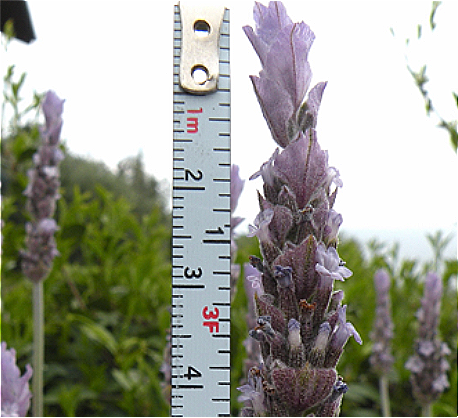
Lavender is an evergreen shrub species of the Lamiaceae family, widely cultivated in temperate and Mediterranean climates. It shows a bushy growth habit, with woody stems at the base and herbaceous portions in the upper parts. The leaves are usually narrow, linear to lanceolate, opposite, grey-green in colour and covered with fine pubescence. The inflorescences are terminal spikes bearing numerous small tubular flowers, typically violet to bluish (with variation depending on the cultivar), and are intensely aromatic. The plant is nectar-producing and plays an important role for pollinating insects.
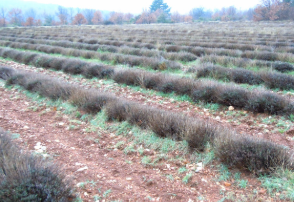
From a cultivation standpoint, lavender prefers full sun exposure and well-drained soils, ranging from light to medium texture, including moderately calcareous substrates. It is considered a hardy species, with good drought tolerance once established, while it is sensitive to waterlogging, which may promote root rot and reduce stand longevity. The plant tolerates relatively low temperatures, but severe, prolonged frost can damage the above-ground portions. Regular pruning helps maintain a compact habit and promotes the formation of new flowering shoots. Biomass and essential oil yield are influenced by cultivar, planting density, nutrient management, soil and climate conditions, and harvest timing.
From a compositional point of view, the most relevant plant parts are the flowering tops, which contain water, structural fibres and a fraction of essential oil located in specific glandular structures. Lavender oil is characterised mainly by linalool and linalyl acetate, together with other monoterpenes and oxygenated derivatives in variable proportions (for example terpinen-4-ol, lavandulol, cineole). Flavonoids, phenolic acids and trace amounts of minerals such as potassium and calcium are also present. The quality and profile of the essential oil vary according to genetic material, cultivation conditions, harvest stage and distillation method.
In the food sector, lavender has limited but specific uses as an aromatic component in confectionery, herbal blends and baked products, where use must be carefully controlled to avoid excessively strong notes. Far more important is its herbal and technical use, where flowering tops and essential oil are employed in the preparation of herbal teas, extracts, plant-based formulations and products intended for flavouring various matrices. The plant is also grown as an ornamental species and in specialised plantations aimed at essential oil production.
The quality assessment of lavender destined for processing considers the uniformity and integrity of the flowering material, its cleanliness (absence of foreign matter or excessive woody portions), the colour of the dried mass, the essential oil content and the aromatic profile (ratio between key constituents). Appropriate cultivar selection, cultivation practices, harvest timing and drying and storage conditions are crucial to preserving the technological and sensory characteristics of the raw material.
 |  |
Botanical classification (APG IV system)
Common name: Lavender
Botanical name: Lavandula angustifolia Mill.
Kingdom: Plantae
Clade: Angiosperms → Eudicots → Asterids
Order: Lamiales
Family: Lamiaceae
Indicative nutritional values per 100 g (dried flowering tops)*
| Component | Approx. value per 100 g |
|---|---|
| Energy | ~ 250–300 kcal |
| Total carbohydrates | moderate (exact values depend on source/product) |
| Dietary fibre | present, non-negligible in dried herb |
| Proteins | low–moderate (typical of dried culinary herbs) |
| Total fats | low |
| Minerals | calcium, iron and other minerals present in small–moderate amounts |
| Vitamins | small amounts of vitamin A (as carotenoids) and some B-group vitamins |
* Lavender is normally used in very small quantities (as an aromatic herb or herbal infusion), so its real nutritional contribution per serving is minimal, despite the per-100 g values.
Mini-glossary of terms/acronyms
kcal = Kilocalories, unit of measurement for the energy provided by 100 g of product.
Dried herb = Plant material that has been dehydrated to reduce water content; this concentrates nutrients and energy compared with the fresh plant, but typical serving sizes are very small.
Plant characteristics
Habit: Small perennial evergreen subshrub (30–80 cm tall); woody base; erect, branched stems with dense foliage; long-lived and drought tolerant.
Leaves: Opposite, linear to lanceolate (2–6 cm long), entire margin, gray-green, covered with fine downy hairs (trichomes) containing oil glands.
Flowers: June–August; small, tubular, bluish-violet, strongly aromatic; arranged in dense terminal spikes on long peduncles; calyx tubular and persistent.
Fruits: Small, smooth, brown nutlets (four per calyx) containing single seeds.
Roots: Woody and fibrous, providing strong anchorage and good drought resistance.
Fragrance: Sweet, floral, and herbaceous — a defining trait due to its essential oil composition.
Chemical composition (main constituents in flowers and essential oil)
Essential oil: Linalool, linalyl acetate, lavandulol, terpinen-4-ol, cineole, camphor.
Phenolic compounds: Rosmarinic acid, caffeic acid (antioxidant and antimicrobial effects).
Flavonoids: Luteolin, apigenin, quercetin derivatives.
Coumarins and tannins: Contribute to mild astringent and spasmolytic effects.
Cultivation and growing conditions
Climate: Prefers Mediterranean climates; tolerates heat and drought once established; sensitive to excessive humidity and frost during early growth.
Exposure: Full sun; essential for abundant flowering and high oil yield.
Soil: Well-drained, light, sandy or calcareous; pH 6–8; avoid waterlogging.
Planting: Spring or autumn; spacing 40–60 cm; pruning after flowering promotes compact growth.
Irrigation: Moderate; reduce in winter; avoid overwatering.
Propagation: By cuttings, layering, or seeds (for specific varieties).
Pests and diseases: May be affected by root rot (Phytophthora), leaf spot, and spittlebugs; generally resistant to most pests due to aromatic oils.
Uses and benefits (traditional and supported by research)
Relaxant and anxiolytic: Essential oil and infusions used to reduce anxiety, restlessness, and mild insomnia.
Antimicrobial and antiseptic: Topical use of diluted oil in minor skin irritations and wounds.
Anti-inflammatory and analgesic: Mild relief for muscular tension and headaches (via aromatherapy or massage).
Digestive aid: Infusions occasionally used for mild digestive discomfort.
Aromatherapy: Widely used for mood enhancement, relaxation, and improved sleep quality.
Clinical studies suggest lavender essential oil (especially Lavandula angustifolia) may support anxiety reduction and sleep quality improvement; however, it should not replace prescribed medical treatments.
Applications
Herbal medicine: Infusions, tinctures, essential oil, and hydrosols.
Cosmetics and perfumery: Used in soaps, creams, shampoos, and perfumes for its scent and soothing skin effects.
Culinary: Edible flowers used to flavor sugars, baked goods, and beverages (in small amounts).
Ornamental: Popular garden plant for hedges, borders, and pollinator-friendly gardens.
Aromatherapy: Diffusers, massage blends, and baths.
Harvesting and processing
Harvesting: Flower spikes cut at early bloom (before full opening) for optimal oil yield.
Drying: In shade, well-ventilated area to preserve color and aroma.
Storage: Airtight containers away from light and humidity.
Essential oil extraction: Steam distillation of flowering tops; yield ~1–3%.
Environmental considerations
Lavender promotes biodiversity by attracting bees and other pollinators. Its low water requirement and pest resistance make it suitable for sustainable cultivation in dry regions. When cultivated industrially, soil conservation and organic methods are encouraged to preserve volatile compound quality.
Safety, contraindications, interactions
Generally regarded as safe at customary doses.
Topical use: Essential oil should be diluted (2–3%) before application to prevent skin irritation.
Oral use: Avoid excessive ingestion; may cause nausea or drowsiness in sensitive individuals.
Pregnancy/lactation: Occasional external use considered safe; oral use only under medical supervision.
Allergies: Rare; patch testing recommended for sensitive skin.
Drug interactions: May enhance sedative effects of CNS depressants.
Common preparations (general, non-therapeutic use)
Infusion: 1–2 g dried flowers per 200 ml hot water, 1–2 times daily.
Aromatherapy: 2–3 drops essential oil in diffuser or warm bath.
Massage oil: 3% dilution of essential oil in carrier oil (e.g., almond, jojoba).
Sachet or pillow: Dried flowers for relaxation and fragrance.
Studies
This study considers that, in the light of literature reports as a medical plant effective in the treatment of inflammation, depression and stress, due to its sedative and anxiolytic action, thrombotic and antimicrobial properties, the results demonstrate DNA-protective activity (1).
Lavender's anti-inflammatory activity is due to its high polyphenol content (2).

