Equiseto (Equisetum arvense)
Descrizione
Equisetum arvense, detto comunemente equiseto o “coda cavallina”, è una pteridofita perenne (non una pianta a fiore) appartenente alle Equisetaceae. È diffusa in gran parte dell’Europa e dell’Asia temperata, naturalezzata altrove. Vive soprattutto in suoli sabbiosi o limoso-argillosi, umidi, spesso acidi, ai margini di campi e fossi. È nota per l’elevatissimo contenuto di silice e per l’uso tradizionale come diuretico e remineralizzante.
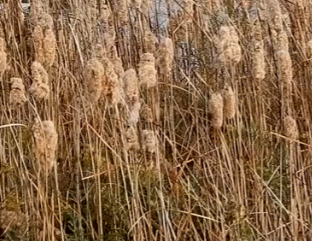
Classificazione botanica
Regno: Plantae
Divisione: Equisetophyta
Classe: Equisetopsida
Ordine: Equisetales
Famiglia: Equisetaceae
Genere: Equisetum
Specie: E. arvense
Caratteristiche della pianta
Fusti: due tipi. In primavera compaiono fusti fertili, bruno-rosati, alti 10–25 cm, privi di clorofilla, terminanti con strobilo (spiga) sporifero. In estate emergono fusti sterili, verdi, fotosintetici, 20–60 cm, articolati con verticilli di rami sottili che conferiscono l’aspetto “a coda”.
Radici e rizomi: rete rizomatosa profonda e tenace, con tuberi; ciò rende la specie difficile da eradicare e potenzialmente invasiva in coltura.
Riproduzione: tramite spore (strobili primaverili) e, più efficacemente, per propagazione vegetativa del rizoma.
Composizione chimica e struttura
Silice (SiO₂): 5–10% della droga secca (talora più), in parte come acido silicico solubile → supporto a tessuto connettivo, unghie e capelli.
Flavonoidi: quercetina, kaempferolo, isoquercitrina (attività antiossidante/vasoprotettrice).
Saponina: equisetonina.
Acidi fenolici: caffeico, ferulico, p-cumarinico.
Minerali: potassio, calcio, magnesio, manganese.
Altri: tracce di alcaloidi (inclusa nicotina in quantità molto basse), poliamine; tiaminasi (enzima che degrada la vitamina B₁) presente soprattutto nel fresco.
Come coltivarlo
Suolo: sabbioso o limoso, umido, preferibilmente acido (pH 5–6); tollera drenaggio imperfetto.
Esposizione: pieno sole o mezz’ombra.
Acqua: costante umidità del terreno; ideale bordi di laghetti/fossi.
Messa a dimora: pezzi di rizoma in primavera; la semina da spore è poco pratica.
Gestione: contenere con barriere anti-rizoma o coltivare in vasche; rimozione periodica dei getti per limitare l’espansione. Evitare concimi azotati e calcare eccessivi (favoriscono altre specie e riducono la silice).
Raccolta: sommità dei fusti sterili verdi a fine primavera-estate; essiccare rapidamente a < 40 °C per preservare i costituenti.
Usi e benefici (tradizionali e supportati da evidenze preliminari)
Diuretico e drenante: aumento della diuresi lieve-moderata (flavonoidi, sali di potassio).
Remineralizzante/trofico del connettivo: la silice può sostenere la sintesi di collagene (unghie, capelli, tessuto connettivo).
Cicatrizzante/emostatico topico: polveri/impacchi tradizionali su piccole escoriazioni.
Antiossidante/lenitivo: flavonoidi e acidi fenolici.
Applicazioni
Erboristeria: tisane (infuso/decozione), estratti fluidi o secchi titolati in silice/flavonoidi; uso ciclico per periodi brevi.
Cosmetica: lozioni/capelli e unghie fortificanti; gel lenitivi post-rasatura/epilazione.
Altri usi: abrasivo naturale (“erba smeriglio”) grazie alla silice; in agricoltura biologica macerati come coadiuvanti contro crittogame (azione indiretta rinforzante dei tessuti).
Considerazioni ambientali
Invasività: l’ampio apparato rizomatoso e la tolleranza ai suoli poveri rendono E. arvense un’infestante problematica in orti e campi; preferire coltivazione in contenitore.
Bioaccumulo: può accumulare metalli pesanti e silice dal suolo; raccogliere solo in aree non contaminate.
Sicurezza, controindicazioni e interazioni
Tiaminasi: l’uso prolungato o ad alte dosi, soprattutto della pianta fresca, può ridurre i livelli di vitamina B₁. Evitare in caso di carenza di tiamina, alcolismo, malnutrizione; preferire prodotti correttamente essiccati/standardizzati.
Gravidanza/allattamento: sconsigliato per mancanza di dati adeguati.
Insufficienza renale o edemi di origine cardiaca/renale: evitare (effetto diuretico può essere inappropriato).
Farmaci: cautela con diuretici (rischio squilibri elettrolitici) e con terapia che richiede adeguati livelli di tiamina.
Allergie: rare reazioni cutanee da contatto.
Animali da allevamento: casi di ipovitaminosi B₁ con consumo di equiseto in foraggio.
Preparazioni d’uso comune (informazioni generali, non sostituiscono il parere medico)
Infuso/decozione: 2–4 g di droga secca in 200 ml, 1–2×/die per 2–3 settimane, poi pausa.
Estratto secco titolato: seguire dosaggi del produttore (tipicamente 200–400 mg/die).
Topico: impacchi/gel 1–3% estratto per piccole aree cutanee.
Bibliografia__________________________________________________________________________
Jeong SY, Yu HS, Ra MJ, Jung SM, Yu JN, Kim JC, Kim KH. Phytochemical Investigation of Equisetum arvense and Evaluation of Their Anti-Inflammatory Potential in TNFα/INFγ-Stimulated Keratinocytes. Pharmaceuticals (Basel). 2023 Oct 16;16(10):1478. doi: 10.3390/ph16101478.
Abstract. Equisetum arvense L. (Equisetaceae), widely known as 'horsetail', is a perennial plant found extensively across Asia. Extracts of E. arvense have been used in traditional medicine, particularly for the treatment of inflammatory disorders. This study aimed to determine the phytochemical compounds in E. arvense ethanolic extract and their anti-inflammatory properties. Subsequently, we isolated and identified nine secondary metabolites, including kaempferol 3,7-di-O-β-D-glucopyranoside (1), icariside B2 (2), (Z)-3-hexenyl β-D-glucopyranoside (3), luteolin 5-O-β-D-glucopyranoside (4), 4-O-β-D-glucopyranosyl caffeic acid (5), clemastanin B (6), 4-O-caffeoylshikimic acid (7), (7S,8S)-threo-7,9,9'-trihydroxy-3,3'-dimethoxy-8-O-4'-neolignan-4-O-β-D-glucopyranoside (8), and 3-O-caffeoylshikimic acid (9). The chemical structures of the isolated compounds (1-9) were elucidated using HR-ESI-MS data, NMR spectra, and ECD data. Next, the anti-inflammatory effects of the isolates were evaluated in tumor necrosis factor (TNF)α/interferon (IFN)γ-induced HaCaT, a human keratinocyte cell line. Among the isolates, compound 3 showed the highest inhibitory effect on the expression of pro-inflammatory chemokines, followed by compounds 6 and 8. Correspondingly, the preceding isolates inhibited TNFα/IFNγ-induced activation of pro-inflammatory transcription factors, signal transducer and activator of transcription 1, and nuclear factor-κB. Collectively, E. arvense could be employed for the development of prophylactic or therapeutic agents for improving dermatitis.
Shiba F, Miyauchi M, Chea C, Furusho H, Iwasaki S, Shimizu R, Ohta K, Nishihara T, Takata T. Anti-inflammatory effect of glycyrrhizin with Equisetum arvense extract. Odontology. 2021 Apr;109(2):464-473. doi: 10.1007/s10266-020-00563-3.
Abstract. Periodontal disease is the most prevalent infectious disease, and inflammatory mediators play critical roles in its progression. Therefore, controlling pro-inflammatory cytokine production, especially at initial disease stages, is essential to maintaining gingival and periodontal health. Glycyrrhizin (GL) has an anti-inflammatory effect and has been added to toothpaste and mouth rinse to prevent periodontal disease. However, there is a maximum dose for the use of GL. The aim of the present study is to screen plant extracts which can effectively enhance the effects of GL. The effects of extracts from six different plants on GL-suppressed TNF-α expression in Aggregatibacter actinomycetemcomitans (A.a.)-LPS-stimulated human oral keratinocytes (RT7) were examined. Results demonstrated that Equisetum arvense (EA) extract had the strongest additive effect on the suppression of TNF-α by GL at both mRNA and protein levels. In addition, GL downregulated the production of TNF-α by suppressing NF-κB p65 phosphorylation, but not JNK or p38 phosphorylation. In contrast, EA decreased JNK phosphorylation but not NF-κB p65 or p38 phosphorylation. The combination of GL and EA effectively attenuated A.a.-LPS-induced phosphorylation of NF-κB p65 and JNK. Furthermore, an LPS-induced periodontitis rat model showed that GL with EA supplementation significantly downregulated TNF-α mRNA in the gingival tissue. These results indicate that EA can suppress A.a.-LPS-induced pro-inflammatory cytokine production by inhibiting JNK activation and can promote the anti-inflammatory effects of GL. Our findings suggest that a combination of GL and EA may improve the development of new oral hygiene products aimed at enhancing periodontal health.
LiverTox: Clinical and Research Information on Drug-Induced Liver Injury [Internet]. Bethesda (MD): National Institute of Diabetes and Digestive and Kidney Diseases; 2012–. Horsetail. 2022 Jul 25.
Abstract. Horsetail is an extract of the plant Equisetum arvense which has been used in traditional medicine for bladder and kidney conditions and to promote wound healing. Oral forms of horsetail have been implicated in instances of serum aminotransferase elevations, but it has not been convincingly linked to instances of clinically apparent liver injury with jaundice.
Pallag A, Filip GA, Olteanu D, Clichici S, Baldea I, Jurca T, Micle O, Vicaş L, Marian E, Soriţău O, Cenariu M, Mureşan M. Equisetum arvense L. Extract Induces Antibacterial Activity and Modulates Oxidative Stress, Inflammation, and Apoptosis in Endothelial Vascular Cells Exposed to Hyperosmotic Stress. Oxid Med Cell Longev. 2018 Feb 14;2018:3060525. doi: 10.1155/2018/3060525.
Abstract. Background: The antimicrobial activity of the Equisetum arvense L. extract and the mechanisms involved in the in vitro effects on endothelial vascular cells exposed to hyperosmotic stress were evaluated. Methods: Antimicrobial activity was evaluated by disk diffusion method and minimum inhibitory concentration (MIC) determination, and oxidative stress, inflammation, and apoptosis, in pretreatment with Equisetum arvense L., caffeic acid, and cathechin, were quantified. Results: The results have shown that Equisetum arvense L. exhibited antibacterial effects only on pathogenic gram-positive cocci. The modulatory activity of Equisetum arvense L. on endothelial cells exposed to hypertonic medium was different and depended on the concentration used. Low concentrations of tested compounds exerted antioxidant effect and diminished the activity of caspase-8 and also increased IκB expression while in high doses, Equisetum arvense L. was prooxidant, induced apoptosis, and decreased IL-6 secretion. Conclusions: These experimental findings suggest that Equisetum arvense L. has antibacterial effects on gram-positive cocci and, administered in low dose, may be a new therapeutic approach for diseases associated with hypertonic conditions or oxidative stress and apoptosis.
Johnson W, Bergfeld WF, Belsito DV, Cohen DE, Klaassen CD, Liebler DC, Peterson LA, Shank RC, Slaga TJ, Snyder PW, Fiume MM, Heldreth B. Safety Assessment of Equisetum arvense-Derived Ingredients as Used in Cosmetics. Int J Toxicol. 2025 Oct 9:10915818251375449. doi: 10.1177/10915818251375449.
Abstract. The Expert Panel for Cosmetic Ingredient Safety (Panel) reviewed the safety of five Equisetum arvense-derived ingredients as used in cosmetic products; all of these ingredients are reported to function as skin-conditioning agents in cosmetics. Industry should use current good manufacturing practices to minimize impurities that could be present in these botanical ingredients. The Panel reviewed data relevant to the safety of these ingredients in cosmetic formulations, and concluded that the five Equisetum arvense-derived ingredients are safe in cosmetics in the present practices of use and concentration described in this safety assessment.
Gründemann C, Lengen K, Sauer B, Garcia-Käufer M, Zehl M, Huber R. Equisetum arvense (common horsetail) modulates the function of inflammatory immunocompetent cells. BMC Complement Altern Med. 2014 Aug 4;14:283. doi: 10.1186/1472-6882-14-283.
Abstract. Background: In Europe, extracts of Equisetum arvense (common horsetail) have a long tradition in the treatment of inflammatory disorders. To understand the molecular basis for its use, we investigated the immunomodulatory capacity of a standardized commercially available common horsetail extract on human primary lymphocyte function in vitro. Methods: The standardized extract of Equisetum arvense was phytochemically characterized. Effects on proliferation, viability and activity of mitogen-activated human lymphocytes were assessed in comparison to cyclosporine A using annexin V/propidium iodide staining assays and flow cytometry-based surface receptor characterization, respectively. Intracellular levels of effector molecules (IL-2, IFN-γ and TNF-α) were analyzed with cytokine assays. Results: T cell proliferation was inhibited dose dependently by the Equisetum extract without induction of apoptosis or necrosis. This effect was mediated through inhibition of lymphocyte activation, specifically by diminishing CD69 and IL-2 surface receptor expression and intracellular IL-2 production. Furthermore, treatment with Equisetum arvense inhibited effector functions, as indicated by reduced production of IFN-γ and TNF-α. Conclusions: The data indicate that the used extract of Equisetum arvense interferes with the polyfunctionality of immunocompetent cells thereby providing an anti-inflammatory mode-of-action.
Carneiro DM, Jardim TV, Araújo YCL, Arantes AC, de Sousa AC, Barroso WKS, Sousa ALL, Cruz AC, da Cunha LC, Jardim PCBV. Antihypertensive effect of Equisetum arvense L.: a double-blind, randomized efficacy and safety clinical trial. Phytomedicine. 2022 May;99:153955. doi: 10.1016/j.phymed.2022.153955.




