



Amaranthus caudatus, Amaranth
Description
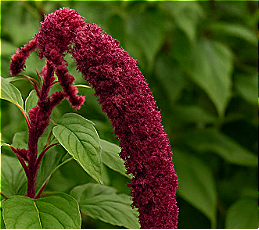
Amaranthus caudatus is an annual herbaceous species native to the Andean region, noted for its high ecological adaptability and rapid growth cycle. The plant develops an upright, vigorous stem, whose architecture varies according to planting density and nutrient availability. The characteristic pendulous inflorescences, one of the most distinctive traits of the species, show a finely branched structure that supports a high production of small seeds.
It is an heliophilous species with a C4 photosynthetic metabolism, a feature that provides efficient water use, good tolerance to thermal stress, and the ability to grow under conditions of intense solar radiation. The deep, well-developed taproot system, with numerous lateral branches, allows the plant to explore the soil effectively and to maintain a reasonable resistance to moderate drought periods.
From a morphological standpoint, A. caudatus exhibits marked phenotypic variability, evident in the colour of the inflorescences, seed size, and vegetative vigour, which vary among cultivars and traditional landraces. The species adapts to a wide range of well-drained soils, but is sensitive to low temperatures, which restrict its cultivation to frost-free periods.
Seed production can be achieved with good efficiency even in low-input cropping systems, a characteristic that has favoured its diffusion as a nutritionally interesting pseudocereal in modern food chains. The combination of high nutritional value, agronomic versatility, and ornamental relevance of the inflorescences makes Amaranthus caudatus a species of growing interest in agriculture, nutrition, and floriculture.
 |  |
Botanical classification (APG IV system)
Common name: Amaranth
Botanical name: Amaranthus caudatus L.
Kingdom: Plantae
Clade: Angiosperms → Eudicots → Core eudicots
Order: Caryophyllales
Family: Amaranthaceae
Genus: Amaranthus
Species: Amaranthus caudatus L.
Indicative nutritional values per 100 g (raw amaranth seeds)
| Component | Approx. value per 100 g |
|---|---|
| Energy | ~ 370–380 kcal |
| Total carbohydrates | ~ 65–68 g |
| — of which sugars | ~ 1–2 g |
| Dietary fibre | ~ 6–8 g |
| Proteins | ~ 13–15 g |
| Total fats | ~ 6–7 g |
| — of which saturated fatty acids (SFA) | ~ 1.3–1.6 g |
| — monounsaturated (MUFA) | ~ 1.6–1.8 g |
| — polyunsaturated (PUFA) | ~ 2.7–3.0 g |
| Sodium | very low (~ 5–10 mg) |
| Potassium | ~ 400–460 mg |
| Calcium | ~ 150–190 mg |
| Magnesium | ~ 240–260 mg |
| Phosphorus | ~ 520–560 mg |
| Iron | ~ 7–8 mg |
| Zinc | ~ 2–3 mg |
| Manganese | ~ 2.5–3.0 mg |
| Copper | ~ 0.4–0.5 mg |
| Vitamin B1 (thiamine) | present |
| Vitamin B2 (riboflavin) | present |
| Vitamin B3 (niacin) | present |
| Vitamin B6 | present |
| Folates | present |
Values may vary with variety, geographical origin and analytical method; the table represents a realistic range for whole raw amaranth seeds.
Mini-glossary of acronyms
SFA = Saturated fatty acids. When they predominate over unsaturated fats in the diet, they are generally considered less favourable for cardiovascular health.
MUFA = Monounsaturated fatty acids. Generally regarded as more favourable than saturated fats when replacing them.
PUFA = Polyunsaturated fatty acids. Include omega-6 and omega-3; essential in small amounts and important for cell membrane structure and inflammatory balance.
Plant Characteristics
Amaranthus caudatus is an herbaceous, annual plant that exhibits the following features:
- Height: Can grow up to 1.5 meters in height, with long, pendulous flower clusters.
- Flowers: The plant produces distinctive, long, hanging clusters of tiny, red or purple flowers that resemble a "tail," which is where the common name Love-Lies-Bleeding comes from.
- Leaves: Broad, ovate leaves that are green in color, sometimes with a reddish tint along the veins.
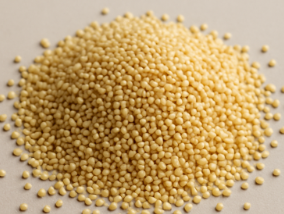
- Seeds: The plant produces small, round seeds that are edible and highly nutritious.
- Growth Habitat: Prefers warm climates with well-drained soil. It thrives in full sun but can tolerate some shade.
Chemical Composition and Structure
The plant contains several bioactive compounds:
- Proteins: The seeds are rich in protein, containing essential amino acids such as lysine, which is rare in many plant-based proteins.
- Lipids: Contains unsaturated fatty acids, beneficial for heart health.
- Carbohydrates: The seeds are also a good source of complex carbohydrates.
- Minerals: Rich in calcium, magnesium, potassium, and iron.
- Vitamins: Contains vitamin A, C, and several B vitamins, contributing to its nutritional value.
- Polyphenols: Include antioxidants that help fight oxidative stress and inflammation.
How to Cultivate Amaranthus caudatus
Amaranthus caudatus is easy to cultivate in a variety of environments:
- Climate: Prefers warm climates, thriving in temperatures between 20°C and 30°C. It can tolerate some heat but is sensitive to frost.
- Soil: Best grown in well-drained, fertile soil. It can adapt to different soil types but performs best in slightly acidic to neutral soil (pH 6–7).
- Sunlight: Requires full sun for optimal growth, though it can tolerate partial shade.
- Watering: The plant is drought-tolerant once established, but regular watering helps promote vigorous growth. Ensure that the soil is well-drained to avoid root rot.
- Propagation: Grows easily from seeds, which should be sown directly into the soil after the last frost. Space the plants about 30–45 cm apart.
- Maintenance: Minimal maintenance is required, although deadheading spent flowers can encourage more blooms.
Uses and Benefits
Amaranthus caudatus has multiple uses, both culinary and ornamental:
Culinary Uses:
- Seeds: The seeds are edible and are often used as a grain substitute in various dishes, similar to quinoa. They can be boiled, toasted, or ground into flour.
- Leaves: The young leaves are edible and can be cooked like spinach or used in salads. They are rich in vitamins and minerals.
- Nutritional Value: The seeds are highly nutritious, rich in protein, fiber, and minerals such as iron and calcium, making them a great addition to a plant-based diet.
Ornamental:
- Amaranthus caudatus is popular in gardens for its dramatic, cascading flowers and vibrant color. It is often used in hanging baskets or as a border plant.
- The plant also makes an excellent cut flower for arrangements, especially due to its long-lasting blooms.
Medicinal Uses:
- In traditional medicine, the plant has been used to treat various ailments, including digestive issues, fever, and to promote blood circulation.
- The leaves and seeds are believed to have anti-inflammatory and antioxidant properties.
- It is also used in some cultures as a remedy for menstrual irregularities and to support kidney function.
Applications
Culinary:
- The seeds are increasingly popular as a gluten-free, high-protein alternative to quinoa and other grains.
- The leaves are commonly used in various cuisines, especially in Asia and South America, where they are prepared in soups, salads, or sautéed.
Cosmetic:
- Amaranthus caudatus extracts are used in skincare for their antioxidant and anti-inflammatory properties, often found in anti-aging creams and lotions.
- The plant’s seeds and oils are used for their emollient qualities, promoting healthy skin and hair.
Ornamental:
- Widely cultivated for its unique appearance, it is often grown as an ornamental garden plant due to its striking flowers and vibrant colors.
Environmental and Safety Considerations
Amaranthus caudatus is generally safe for consumption and use, but there are a few considerations:
- Environmental Impact: It is a relatively low-maintenance plant, well-suited to xeriscaping and drought-tolerant gardens. However, it can become invasive in some regions if not managed carefully.
- Safety: The seeds are safe for consumption, but people with allergies to other members of the Amaranthaceae family (e.g., quinoa, spinach) should use caution. The plant is also sensitive to frost, so it should be grown in frost-free areas or as an annual in colder climates.
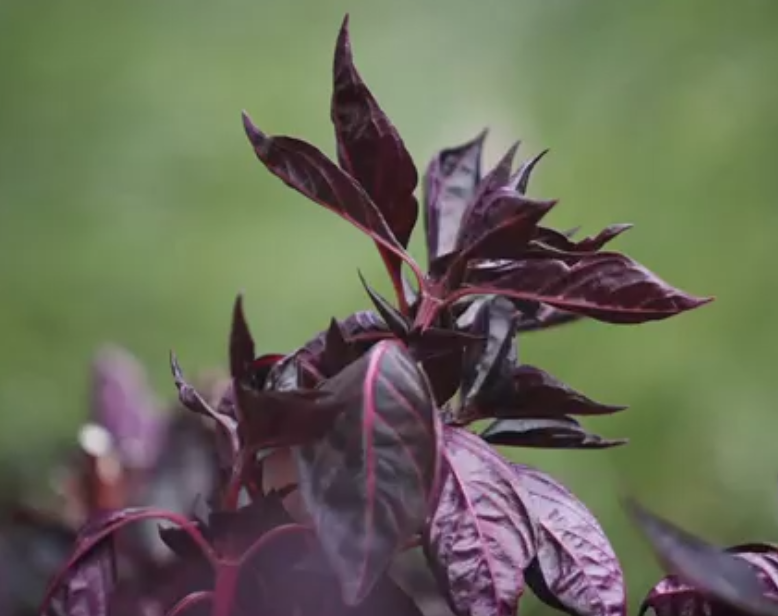
Amaranth contains a good content of amino acids including lysine, an essential amino acid.
Some species of amaranth:
- Amaranthus palmeri
- Amaranthus caudatus
- Amaranthus quitensis
- Amaranthus cruentus
- Amaranthus hypochondriacus
- Amaranthus mangostanus
Amaranth is an ancient grain, considered a superfood due to its outstanding nutritional profile and for the presence of some interesting peptides(2). It is not a true cereal like wheat or rice but is related to plants like quinoa. It is gluten-free and rich in protein, fiber, essential minerals, and amino acids, making it particularly suitable for vegetarian and vegan diets.
Nutritional Profile (per 100 grams):
- Calories Approximately 371 kcal.
- Protein About 14 grams, making it one of the richest plant sources of complete protein, containing all essential amino acids.
- Fat About 7 grams, including beneficial polyunsaturated fatty acids like linoleic acid.
- Carbohydrates About 65 grams, with a high fiber content.
- Fiber About 7 grams, contributing to digestive health and blood sugar control.
- Vitamins and Minerals Rich in magnesium, iron, phosphorus, calcium, and B vitamins.
Amaranth is notable for its high content of lysine, an amino acid often lacking in many grains, making it particularly valuable in a vegetarian diet. Additionally, it has anti-inflammatory properties and can help reduce cholesterol.
Considerations
Culinary Use Can be cooked and used similarly to rice or quinoa, in soups, stews, salads, or as a base for hot dishes. Its seeds can also be popped like popcorn for a light and nutritious snack.
Health Benefits Supports cardiovascular health, improves digestion (3), helps prevent osteoporosis due to its high calcium content, and can be useful in weight management due to its satiating effect.
Storage Store in an airtight container in a cool, dry place to preserve its nutritional qualities and extend its shelf life.

