



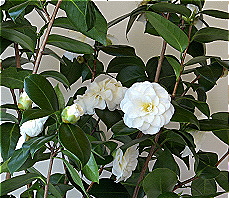
Camellia Japonica Callus Extract is derived from the callus of Camellia japonica, a cell culture of the plant that concentrates bioactive compounds with hydrating, regenerative, and antioxidant properties. The extract contains a good amount of polyphenols, flavonoids, and phytonutrients that support skin protection from oxidative damage and promote elasticity and firmness, making it suitable for formulations targeting sensitive and mature skin.
Chemical Composition and Structure
The extract includes polyphenols, flavonoids, and other bioactive compounds such as saponins and sugars. These polyphenols and flavonoids provide antioxidant effects that help protect the skin from free radicals and environmental stress, while saponins and sugars contribute to hydration and maintenance of the skin barrier.
Physical Properties
Camellia Japonica Callus Extract appears as a clear or slightly opaque liquid, water-soluble, and easily incorporated into serums, lotions, creams, and masks. Its lightweight texture makes it suitable for a variety of cosmetic products, offering hydration and a soothing effect without heaviness.
Production Process
The extract is obtained from the cultivation of Camellia japonica callus, which is induced and grown under controlled laboratory conditions. This method yields an extract rich in concentrated bioactive compounds. After harvesting, the callus undergoes extraction and purification to ensure the quality of the final product.
Applications
Medical: Studied for its regenerative and antioxidant properties, with potential applications in treatments for sensitive or damaged skin.
Cosmetics: Camellia Japonica Callus Extract is used in skincare products for its hydrating, soothing, and protective properties. It helps improve skin texture, reduce signs of aging, and protect the skin from environmental stress, making it suitable for serums, lotions, and moisturizers.
INCI Functions:
Antioxidant agent. Ingredient that counteracts oxidative stress and prevents cell damage. Free radicals, pathological inflammatory processes, reactive nitrogen species and reactive oxygen species are responsible for the ageing process and many diseases caused by oxidation.
Skin conditioning agent - Emollient. Emollients have the characteristic of enhancing the skin barrier through a source of exogenous lipids that adhere to the skin, improving barrier properties by filling gaps in intercorneocyte clusters to improve hydration while protecting against inflammation. In practice, they have the ability to create a barrier that prevents transepidermal water loss. Emollients are described as degreasing or refreshing additives that improve the lipid content of the upper layers of the skin by preventing degreasing and drying of the skin. The problem with emollients is that many have a strong lipophilic character and are identified as occlusive ingredients; they are oily and fatty materials that remain on the skin surface and reduce transepidermal water loss. In cosmetics, emollients and moisturisers are often considered synonymous with humectants and occlusives.
Skin conditioning agent. It is the mainstay of topical skin treatment as it has the function of restoring, increasing or improving skin tolerance to external factors, including melanocyte tolerance. The most important function of the conditioning agent is to prevent skin dehydration, but the subject is rather complex and involves emollients and humectants that can be added in the formulation.
CAS 223748-13-8
Industry: In the cosmetic industry, this extract is valued for its antioxidant and hydrating properties, finding applications in advanced skincare formulations.
Environmental and Safety Considerations
Camellia Japonica Callus Extract is considered safe for cosmetic use and is biodegradable. As it is derived from laboratory-grown cell cultures, it has minimal environmental impact and does not require harvesting plants from the wild, promoting sustainable production.
For further information and studies:

