



Hydrolyzed Wheat Protein is a protein derived from wheat (Triticum aestivum) that has undergone hydrolysis, breaking it down into smaller amino acids and peptides. Known for its hydrating, strengthening, and nourishing properties, this ingredient helps improve hair elasticity and maintain skin hydration and softness. Primarily used in hair and skincare products, Hydrolyzed Wheat Protein is ideal for formulations targeting damaged hair or dry skin.
Chemical Composition and Structure
This protein consists of amino acids and peptides obtained from the breakdown of wheat proteins. Hydrolysis reduces the protein’s molecular size, enhancing its ability to penetrate hair and skin, thereby improving moisture retention. Bioactive amino acids such as glutamine and proline help reinforce hair structure, improve hair resilience, and support skin regeneration.
Physical Properties
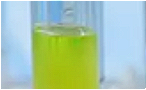
It is typically available as a clear or slightly yellowish liquid, water-soluble, and easily incorporated into shampoos, conditioners, moisturizers, and lotions. Its lightweight texture enables even distribution and provides hydrating and strengthening effects without weighing down hair or skin.
Production Process
Hydrolyzed Wheat Protein is produced through the hydrolysis of wheat proteins via enzymatic or chemical processes, breaking down the proteins into smaller components like amino acids and peptides. This process enhances the stability and efficacy of the ingredient, making it suitable for use in cosmetic products.
Applications
Medical: Hydrolyzed Wheat Protein is studied for its hydrating and regenerative properties, with potential applications in treatments for sensitive and dehydrated skin.
Cosmetics: Hydrolyzed Wheat Protein is used in hair care products to improve elasticity and strength, aiding in the repair of damaged hair. In skincare, it helps retain moisture and enhance softness, making it ideal for shampoos, conditioners, lotions, and creams.
INCI Functions:
Antistatic agent. Static electricity build-up has a direct influence on products and causes electrostatic adsorption. The antistatic ingredient reduces static build-up and surface resistivity on the surface of the skin and hair.
Hair conditioning agent. A significant number of ingredients with specific and targeted purposes may co-exist in hair shampoo formulations: cleansers, conditioners, thickeners, matting agents, sequestering agents, fragrances, preservatives, special additives. However, the indispensable ingredients are the cleansers and conditioners as they are necessary and sufficient for hair cleansing and manageability. The others act as commercial and non-essential auxiliaries such as: appearance, fragrance, colouring, etc. Hair conditioning agents have the task of increasing shine, manageability and volume, and reducing static electricity, especially after treatments such as colouring, ironing, waving, drying and brushing. They are, in practice, dispersants that may contain cationic surfactants, thickeners, emollients, polymers. The typology of hair conditioning agents includes: intensive conditioners, instant conditioners, thickening conditioners, drying conditioners. They can perform their task generally accompanied by other different ingredients.
Skin conditioning agent. It is the mainstay of topical skin treatment as it has the function of restoring, increasing or improving skin tolerance to external factors, including melanocyte tolerance. The most important function of the conditioning agent is to prevent skin dehydration, but the subject is rather complex and involves emollients and humectants that can be added in the formulation.
CAS 94350-06-8 222400-28-4 70084-87-6 100209- 50-5
EC number 305-225-0 309-358-5
Cosmetic safety
Restricted cosmetic ingredient as III/307 a Relevant Item in the Annexes of the European Cosmetics Regulation 1223/2009. Protein hydrolyzates, wheat germ. Substance obtained by acidic, alkaline, or enzymatic hydrolysis of wheat germ composed primarily of amino acids, peptides, and proteins. It may contain impurities consisting chiefly of carbohydrates and lipids along with smaller quantities of miscellaneous organic substances of biological origin.

