



Benzophenone-9 is an organic UV filter belonging to the benzophenone family, commonly used in cosmetic products to protect both skin and formulations from UV-induced damage. Acting as a UV absorber, Benzophenone-9 helps prevent the degradation of photosensitive active ingredients, extending product shelf life and reducing the risk of sun damage to the skin.
Chemical Composition and Structure
This compound is a benzophenone derivative characterized by an aromatic ring with functional groups that effectively absorb UV rays. Its molecular structure allows it to absorb both UV-A and UV-B rays, thereby providing broad-spectrum protection and helping to prevent oxidative damage to the skin.
Physical Properties
It is a yellow crystalline powder, oil-soluble and miscible in some organic solvents. It is incorporated into cosmetics such as sunscreens, lotions, and hair care products. Its formulation provides effective UV protection without altering the texture or efficacy of the final product.
Production Process
Benzophenone-9 is synthetically produced through chemical processes that combine aromatic compounds with UV-absorbing functional groups. After synthesis, it is purified to ensure stability and quality for cosmetic use.
Applications
Medical: While primarily used in cosmetics, Benzophenone-9’s UV-absorbing properties make it interesting for medical applications in protecting photosensitive ingredients in topical pharmaceutical products.
Cosmetics: Benzophenone-9 is commonly used in sunscreens, lotions, and skin and hair care products for its protective properties against UV damage. It protects cosmetic ingredients from oxidation and helps prevent sun damage to the skin.
Industry: In the cosmetic and pharmaceutical industries, Benzophenone-9 is valued for its stabilizing and protective properties, finding applications in products requiring long-term protection against UV degradation.
Environmental and Safety Considerations
Benzophenone-9 is considered safe for cosmetic use in regulated concentrations, but its environmental impact is monitored due to potential bioaccumulation in aquatic systems. Its production and use must adhere to safety guidelines to minimize environmental impact and ensure safe use.
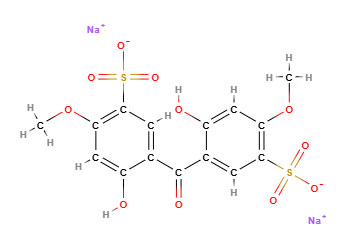 | 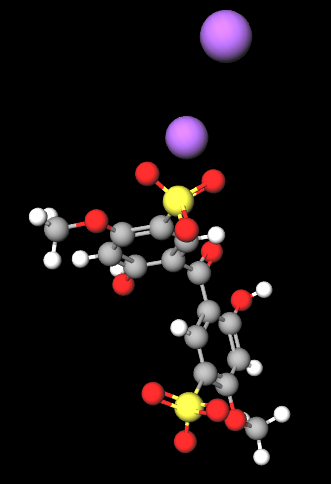 |
Molecular Formula C15H12Na2O11S2
Molecular Weight 478.4 g/mol
CAS 76656-36-5
UNII 7925W14T4L
EC Number 278-520-4
Synonyms:
Uvinul 3048
Uvinuc ds 49

