



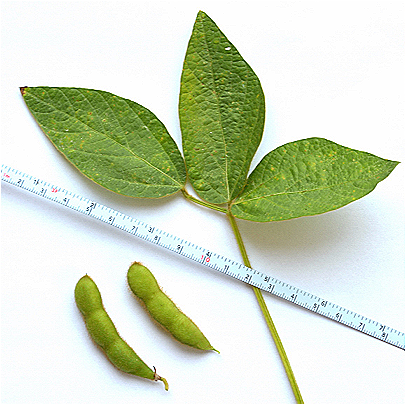
Glycine Max Callus Culture Extract is an extract obtained from the callus culture of Glycine max (soybean), developed from undifferentiated plant cells under controlled laboratory conditions. This extract contains polysaccharides, amino acids, antioxidants, and other bioactive compounds that provide regenerative, moisturizing, and protective benefits for the skin. Primarily used in cosmetic products, Glycine Max Callus Culture Extract is ideal for enhancing skin resilience, promoting cellular regeneration, and supporting the skin’s protective barrier.
Chemical Composition and Structure
This extract contains polysaccharides, proteins, essential amino acids (such as glycine and proline), and natural antioxidants. These components work synergistically to support cellular regeneration, maintain hydration, and protect the skin from oxidative damage. Polysaccharides help retain moisture and improve skin texture, while proteins and amino acids promote skin health.
Physical Properties
It appears as a water-soluble liquid extract that can be easily incorporated into cosmetic formulations, including serums, creams, lotions, and masks. Its lightweight, non-greasy texture makes it suitable for all skin types, providing hydration and nourishment without leaving oily residues.
Production Process
Glycine Max Callus Culture Extract is produced by cultivating Glycine max cells in a laboratory to form a callus, a mass of undifferentiated plant cells. This callus is then harvested and processed to isolate and purify bioactive compounds, ensuring a concentrated and stable extract for cosmetic formulations.
Applications
Medical: While primarily used in cosmetics, Glycine Max Callus Culture Extract is being studied for its regenerative properties, with potential future applications in topical skin repair treatments.
Cosmetics: Glycine Max Callus Culture Extract is used in skincare products for its regenerative, moisturizing, and protective properties. It helps improve skin elasticity, promotes cellular regeneration, and protects against environmental damage, making it ideal for mature or stressed skin.
Industry: In the cosmetic industry, Glycine Max Callus Culture Extract is valued for its conditioning and antioxidant properties, finding applications in anti-aging and moisturizing formulations for skin and hair.
Environmental and Safety Considerations
Glycine Max Callus Culture Extract is considered safe for cosmetic use. Being produced through cell culture, it is biodegradable and has minimal environmental impact. Laboratory production reduces the need for agricultural resources, making it a sustainable choice for the cosmetic industry.
For further information and studies:

