



Glycine Max Phytoplacenta Conditioned Media is a culture medium conditioned by the phytoplacenta of Glycine max (soybean). This ingredient contains a blend of nutrients, peptides, amino acids, and growth factors released during the cultivation of phytoplacenta cells. Glycine Max Phytoplacenta Conditioned Media is widely used in cosmetics for its regenerative and anti-aging properties, ideal for promoting cellular renewal and enhancing skin texture and radiance.
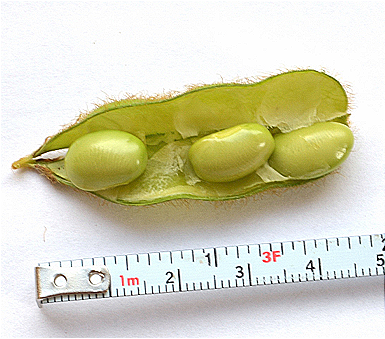
Chemical Composition and Structure
It contains peptides, essential amino acids such as glycine and proline, polysaccharides, and natural growth factors. These bioactive compounds help stimulate collagen production, strengthen the skin barrier, and improve skin elasticity. The natural growth factors support cellular renewal, fostering a more youthful and firm appearance.
Physical Properties
Glycine Max Phytoplacenta Conditioned Media is a water-soluble liquid, easily incorporated into cosmetic formulations such as serums, creams, lotions, and masks. Its lightweight, non-greasy texture makes it suitable for all skin types, providing deep hydration and promoting a smooth, radiant complexion.
Production Process
Glycine Max Phytoplacenta Conditioned Media is produced by cultivating Glycine max phytoplacenta cells in a specialized culture medium. During cultivation, the cells release nutrients and growth factors into the medium, which is then collected, filtered, and purified to create the final product enriched with bioactive compounds.
Applications
Medical: While primarily used in cosmetics, Glycine Max Phytoplacenta Conditioned Media is being studied for its regenerative properties, with potential applications in dermatological regenerative treatments.
Cosmetics: Glycine Max Phytoplacenta Conditioned Media is used in skincare products for its anti-aging and regenerative properties. It helps stimulate collagen production, promotes cellular renewal, and strengthens the skin barrier, making it ideal for mature skin and anti-aging treatments.
INCI Functions:
Hair conditioning agent. A significant number of ingredients with specific and targeted purposes may co-exist in hair shampoo formulations: cleansers, conditioners, thickeners, matting agents, sequestering agents, fragrances, preservatives, special additives. However, the indispensable ingredients are the cleansers and conditioners as they are necessary and sufficient for hair cleansing and manageability. The others act as commercial and non-essential auxiliaries such as: appearance, fragrance, colouring, etc. Hair conditioning agents have the task of increasing shine, manageability and volume, and reducing static electricity, especially after treatments such as colouring, ironing, waving, drying and brushing. They are, in practice, dispersants that may contain cationic surfactants, thickeners, emollients, polymers. The typology of hair conditioning agents includes: intensive conditioners, instant conditioners, thickening conditioners, drying conditioners. They can perform their task generally accompanied by other different ingredients.
Skin conditioning agent. It is the mainstay of topical skin treatment as it has the function of restoring, increasing or improving skin tolerance to external factors, including melanocyte tolerance. The most important function of the conditioning agent is to prevent skin dehydration, but the subject is rather complex and involves emollients and humectants that can be added in the formulation.
Skin protectant. It creates a protective barrier on the skin to defend it from harmful substances, irritants, allergens, pathogens that can cause various inflammatory conditions. These products can also improve the natural skin barrier and in most cases more than one is needed to achieve an effective result.
Environmental and Safety Considerations
Glycine Max Phytoplacenta Conditioned Media is considered safe for cosmetic use. Being produced in a laboratory through cell culture, it has minimal environmental impact and does not require intensive farming. This makes it a sustainable and eco-friendly choice for the cosmetic industry.
For further information and studies:

