



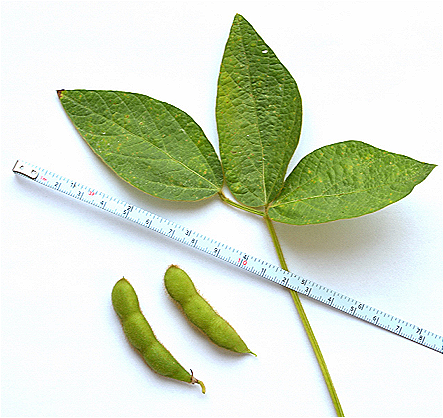
Glycine Max Callus Culture is an extract obtained from the callus culture of Glycine max (soy), a mass of undifferentiated plant cells developed under laboratory conditions. This extract contains phytonutrients, antioxidants, and amino acids that provide regenerative and protective benefits to the skin. Glycine Max Callus Culture is widely used in cosmetics for its antioxidant and regenerative properties, ideal for anti-aging treatments and enhancing skin vitality.
Chemical Composition and Structure
This ingredient contains antioxidants, polysaccharides, and amino acids such as glycine and proline, which support cellular regeneration and skin protection. These bioactive components work together to strengthen the skin barrier, improve hydration, and protect the skin from oxidative damage.
Physical Properties
Glycine Max Callus Culture generally appears as a water-soluble liquid extract that can be easily incorporated into creams, serums, lotions, and masks. Its lightweight texture makes it ideal for a wide range of cosmetic formulations, providing a refreshing feel and regenerative action.
Production Process
It is produced by cultivating Glycine max cells under controlled laboratory conditions. During this process, plant cells are grown to form a callus, which is then harvested and extracted to obtain bioactive compounds. This method provides a stable and sustainable extract without the need for large-scale soybean cultivation.
Applications
Medical: Although primarily used in cosmetics, Glycine Max Callus Culture is studied for its regenerative and antioxidant properties, with potential for use in topical treatments.
Cosmetics: Glycine Max Callus Culture is used in skincare products for its regenerative and protective properties. In skincare, it helps reduce signs of aging, strengthen the skin barrier, and improve elasticity. It is ideal for anti-aging, moisturizing, and regenerative formulations.
INCI Functions:
Antioxidant agent. Ingredient that counteracts oxidative stress and prevents cell damage. Free radicals, pathological inflammatory processes, reactive nitrogen species and reactive oxygen species are responsible for the ageing process and many diseases caused by oxidation.
Humectant. Hygroscopic compound used to minimise water loss in the skin and to prevent it from drying out by facilitating faster and greater absorption of water into the stratum corneum of the epidermis. The epidermis is the most superficial of the three layers that make up human skin (epidermis, dermis and hypodermis) and is the layer that maintains hydration in all three layers. In turn, the epidermis is composed of five layers: horny, the most superficial, granular, spinous, shiny, and basal. Humectants have the ability to retain the water they attract from the air in the stratum corneum and have the function of moisturising the skin. They are best used before emollients, which are oil-based.
Skin conditioning agent. It is the mainstay of topical skin treatment as it has the function of restoring, increasing or improving skin tolerance to external factors, including melanocyte tolerance. The most important function of the conditioning agent is to prevent skin dehydration, but the subject is rather complex and involves emollients and humectants that can be added in the formulation.
Skin protectant. It creates a protective barrier on the skin to defend it from harmful substances, irritants, allergens, pathogens that can cause various inflammatory conditions. These products can also improve the natural skin barrier and in most cases more than one is needed to achieve an effective result.
Environmental and Safety Considerations
Glycine Max Callus Culture is considered safe for cosmetic use. As it is produced in laboratories via cell culture, its process is sustainable with minimal environmental impact. This method reduces the use of agricultural resources, making it an eco-friendly choice for the cosmetic industry.
For further information and studies:

