



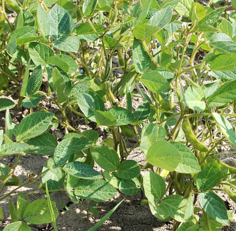
Glycine Max Root Extract is an extract obtained from the roots of Glycine max (soybean). This extract contains amino acids, polysaccharides, minerals, and bioactive compounds that provide regenerative and moisturizing benefits to the skin and hair. Glycine Max Root Extract is used in cosmetic products for its nourishing and protective properties, ideal for dry and sensitive skin care and for strengthening weak and damaged hair.
Chemical Composition and Structure
Glycine Max Root Extract contains polysaccharides that help maintain skin hydration, along with minerals and amino acids such as glycine, arginine, and proline, which support regeneration and protection of the skin and hair. The natural composition of these components helps reinforce the skin barrier and nourish the hair, enhancing resilience and shine.
Physical Properties
It is available in liquid or powder form, water-soluble, and easily incorporated into cosmetic formulations such as creams, lotions, serums, and hair treatments. Its lightweight, non-greasy texture makes it suitable for various skin and hair types, providing hydration and nourishment without leaving oily residues.
Production Process
Glycine Max Root Extract is produced through an aqueous or mild solvent extraction process from the roots of Glycine max. After harvesting, the roots are cleaned, dried, and macerated to release bioactive compounds, which are then filtered and concentrated for use in cosmetic formulations.
Applications
Medical: While primarily used in cosmetics, Glycine Max Root Extract is studied for its nourishing and regenerative properties, which may be beneficial in topical treatments.
Cosmetics: Glycine Max Root Extract is used in skin and hair care products. In skincare, it provides hydration and supports skin regeneration, making it ideal for dry, sensitive, or mature skin. In hair products, the extract strengthens fragile hair, enhances resilience, and adds shine, reducing dryness and breakage.
INCI Functions:
Hair conditioning agent. A significant number of ingredients with specific and targeted purposes may co-exist in hair shampoo formulations: cleansers, conditioners, thickeners, matting agents, sequestering agents, fragrances, preservatives, special additives. However, the indispensable ingredients are the cleansers and conditioners as they are necessary and sufficient for hair cleansing and manageability. The others act as commercial and non-essential auxiliaries such as: appearance, fragrance, colouring, etc. Hair conditioning agents have the task of increasing shine, manageability and volume, and reducing static electricity, especially after treatments such as colouring, ironing, waving, drying and brushing. They are, in practice, dispersants that may contain cationic surfactants, thickeners, emollients, polymers. The typology of hair conditioning agents includes: intensive conditioners, instant conditioners, thickening conditioners, drying conditioners. They can perform their task generally accompanied by other different ingredients.
Skin conditioning agent. It is the mainstay of topical skin treatment as it has the function of restoring, increasing or improving skin tolerance to external factors, including melanocyte tolerance. The most important function of the conditioning agent is to prevent skin dehydration, but the subject is rather complex and involves emollients and humectants that can be added in the formulation.
Industry: In the cosmetic industry, Glycine Max Root Extract is valued for its conditioning and moisturizing properties, finding applications in regenerative and nourishing formulations for skin and hair.
Environmental and Safety Considerations
Glycine Max Root Extract is considered safe for cosmetic use. Being plant-based, it is biodegradable and has minimal environmental impact. However, it is essential that the soy used comes from sustainable sources to reduce the environmental impact of intensive soybean farming.
For further information and studies:

