



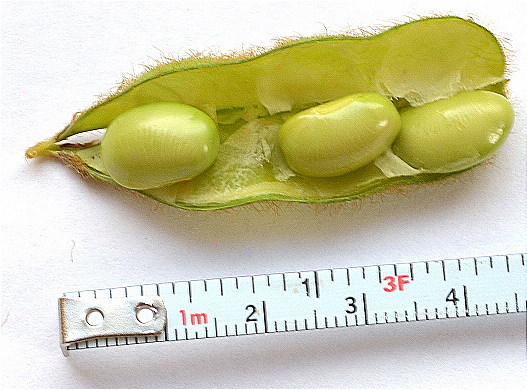
Glycine Max Seed Protein is a plant-based protein derived from the seeds of Glycine max (soybean). It is rich in essential amino acids, including glycine, arginine, and lysine, which give the protein nourishing, regenerative, and conditioning properties. Glycine Max Seed Protein is primarily used in cosmetic products for skin and hair care, where it helps improve skin structure, strengthen fragile hair, and promote cellular regeneration. Due to its high bioavailability, this protein easily penetrates the skin and hair, providing nourishment and hydration.
Chemical Composition and Structure
It consists of chains of essential amino acids, including glycine, lysine, arginine, and proline. These amino acids not only nourish the skin and hair but also stimulate collagen production, helping to improve skin elasticity and hair strength. Its hydrolyzed protein structure allows for rapid absorption, offering both immediate and long-lasting benefits.
Physical Properties
Glycine Max Seed Protein is available in powder or liquid form, soluble in water, making it easy to incorporate into serums, creams, lotions, and hair products. Its light and non-sticky texture makes it ideal for a wide range of cosmetic formulations, providing a silky feel and deep conditioning action.
Production Process
This ingredient is extracted from Glycine max seeds through a hydrolysis process. This extraction method ensures that the proteins are broken down into smaller polypeptides and amino acids, making them more easily absorbed by the skin and hair. The hydrolyzed protein is then purified and concentrated for use in cosmetic formulations.
Applications
Medical: While Glycine Max Seed Protein is primarily used in cosmetics, its regenerative and nourishing properties could be explored for dermatological treatments to aid skin repair.
Cosmetics: Glycine Max Seed Protein is used in a variety of skin and hair care products. In skincare, it improves hydration, strengthens the skin barrier, and boosts elasticity, making it especially suitable for dry or mature skin. In hair care products, it helps nourish, strengthen, and repair damaged hair, reducing breakage and enhancing shine and softness.
INCI Functions:
Hair conditioning agent. A significant number of ingredients with specific and targeted purposes may co-exist in hair shampoo formulations: cleansers, conditioners, thickeners, matting agents, sequestering agents, fragrances, preservatives, special additives. However, the indispensable ingredients are the cleansers and conditioners as they are necessary and sufficient for hair cleansing and manageability. The others act as commercial and non-essential auxiliaries such as: appearance, fragrance, colouring, etc. Hair conditioning agents have the task of increasing shine, manageability and volume, and reducing static electricity, especially after treatments such as colouring, ironing, waving, drying and brushing. They are, in practice, dispersants that may contain cationic surfactants, thickeners, emollients, polymers. The typology of hair conditioning agents includes: intensive conditioners, instant conditioners, thickening conditioners, drying conditioners. They can perform their task generally accompanied by other different ingredients.
Skin conditioning agent. It is the mainstay of topical skin treatment as it has the function of restoring, increasing or improving skin tolerance to external factors, including melanocyte tolerance. The most important function of the conditioning agent is to prevent skin dehydration, but the subject is rather complex and involves emollients and humectants that can be added in the formulation.
Industry: In the cosmetic industry, Glycine Max Seed Protein is used for its conditioning and nourishing properties, finding applications in moisturizing, anti-aging, and hair-strengthening formulations.
Environmental and Safety Considerations
Glycine Max Seed Protein is considered safe for cosmetic use and, as a natural ingredient, is biodegradable. However, it is essential that the soy used for protein production is sourced sustainably to reduce the environmental impact of intensive soybean farming.
For further information and studies:

