



Glycine max Oil is a vegetable oil obtained from the seeds of Glycine max (soybean). This oil is rich in polyunsaturated fatty acids, particularly linoleic acid (omega-6) and alpha-linolenic acid (omega-3), as well as vitamin E and phytosterols. Due to its nourishing composition, Glycine max Oil is widely used in cosmetic products for its moisturizing, emollient, and regenerative properties, especially for dry or damaged skin and to strengthen fragile hair.
Chemical Composition and Structure
This oil is high in essential fatty acids, including linoleic acid (about 50-60%) and alpha-linolenic acid (about 5-8%), which provide the oil with nourishing and antioxidant properties. It also contains vitamin E, a powerful antioxidant that helps protect the skin from oxidative damage, and phytosterols, which have anti-inflammatory properties and help reinforce the skin barrier.
Physical Properties
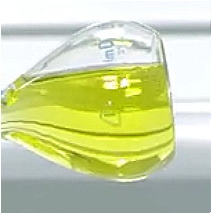
It appears as a light yellow oil with a lightweight texture and good skin absorption properties. It is soluble in oils and fats, making it ideal for use in oil-based formulations and emulsions. Its light texture makes it suitable for various skin and hair types, without leaving an oily residue.
Production Process
Glycine max Oil is obtained through the cold pressing of Glycine max seeds, a process that preserves the integrity of the essential nutrients and fatty acids. After extraction, the oil may be refined to remove impurities and improve product stability. The result is a pure vegetable oil, ready for use in cosmetics and other applications.
Applications
Medical: Glycine max Oil is used as a source of essential fatty acids in dietary supplements and can be applied topically to reduce inflammation and improve wound healing. However, its primary use is in cosmetics.
Cosmetics: Glycine max Oil is widely used in skincare and hair care products. In skincare, it provides intense hydration, restores the skin barrier, and protects the skin from oxidative damage. It is often found in moisturizers, body oils, lotions, and anti-aging products. In hair products, it helps nourish and strengthen fragile hair, reducing dryness and enhancing shine.
INCI Functions:
Skin conditioning agent - Emollient. Emollients have the characteristic of enhancing the skin barrier through a source of exogenous lipids that adhere to the skin, improving barrier properties by filling gaps in intercorneocyte clusters to improve hydration while protecting against inflammation. In practice, they have the ability to create a barrier that prevents transepidermal water loss. Emollients are described as degreasing or refreshing additives that improve the lipid content of the upper layers of the skin by preventing degreasing and drying of the skin. The problem with emollients is that many have a strong lipophilic character and are identified as occlusive ingredients; they are oily and fatty materials that remain on the skin surface and reduce transepidermal water loss. In cosmetics, emollients and moisturisers are often considered synonymous with humectants and occlusives.
Skin conditioning agent. It is the mainstay of topical skin treatment as it has the function of restoring, increasing or improving skin tolerance to external factors, including melanocyte tolerance. The most important function of the conditioning agent is to prevent skin dehydration, but the subject is rather complex and involves emollients and humectants that can be added in the formulation.
Food: Glycine max Oil is also used in the food industry as a source of polyunsaturated fatty acids, both for direct consumption and as an ingredient in various processed foods.
Industry: In the cosmetic industry, Glycine max Oil is used as a functional ingredient for its emollient and moisturizing properties. It is also employed as a base oil in numerous oil-based formulations and emulsions.
Environmental and Safety Considerations
Glycine max Oil is considered safe for cosmetic and food use. As a natural and biodegradable product, it has minimal environmental impact. However, it is important that the soy used for oil extraction is sustainably sourced to reduce the impact on deforestation and biodiversity.
For further information and studies:

