



Glycine max Pulp is an extract derived from the pulp of Glycine max (soy) seeds. This ingredient is rich in proteins, essential amino acids, lipids, and isoflavones, making it particularly useful in cosmetic products for skin and hair care. Glycine max Pulp is valued for its nourishing, moisturizing, and regenerative properties, which help keep the skin hydrated, elastic, and restore the skin barrier.
Chemical Composition and Structure
Glycine max Pulp contains a combination of proteins, lipids, isoflavones (such as genistein and daidzein), and other bioactive compounds. These components provide antioxidant and conditioning properties, helping to protect the skin from oxidative damage, improve elasticity, and strengthen the barrier function.
Physical Properties
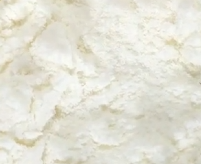
Glycine max Pulp appears as a paste or semi-solid extract, typically beige or light yellow in color. It is water-soluble and easily incorporated into cosmetic formulations such as creams, masks, lotions, and serums due to its rich texture and nourishing properties.
Production Process
Glycine max Pulp is obtained through the processing of soy seeds, which are macerated and pressed to extract the pulp. After separation, the pulp is purified and processed for use in cosmetic products.
Applications
Medical: Although the primary use of Glycine max Pulp is in cosmetics, it may be explored in future applications as a regenerative ingredient in topical skin treatments.
Cosmetics: Glycine max Pulp is used in skin and hair care products for its nourishing and regenerative properties. It helps improve skin hydration, restore the skin barrier, and enhance skin elasticity. It is particularly beneficial for dry or damaged skin and in hair treatments to strengthen and nourish hair fibers.
INCI Functions:
Humectant. Hygroscopic compound used to minimise water loss in the skin and to prevent it from drying out by facilitating faster and greater absorption of water into the stratum corneum of the epidermis. The epidermis is the most superficial of the three layers that make up human skin (epidermis, dermis and hypodermis) and is the layer that maintains hydration in all three layers. In turn, the epidermis is composed of five layers: horny, the most superficial, granular, spinous, shiny, and basal. Humectants have the ability to retain the water they attract from the air in the stratum corneum and have the function of moisturising the skin. They are best used before emollients, which are oil-based.
Skin conditioning agent. It is the mainstay of topical skin treatment as it has the function of restoring, increasing or improving skin tolerance to external factors, including melanocyte tolerance. The most important function of the conditioning agent is to prevent skin dehydration, but the subject is rather complex and involves emollients and humectants that can be added in the formulation.
Industry: In the cosmetic industry, Glycine max Pulp is used as a functional ingredient to enhance the texture and nourishment of natural formulations.
Environmental and Safety Considerations
Glycine max Pulp is considered safe for cosmetic use. As a natural extract, it is biodegradable, and its production can be carried out sustainably, reducing environmental impact. However, it is important to ensure that soy-based products are sourced from sustainable origins.
For further information and studies:

