



Glycine max, commonly known as soybean, is a crucial legume native to East Asia, extensively cultivated for its versatile and nutritious beans. Recognized globally for its high protein and oil content, soybeans play a pivotal role in both human nutrition and various industrial applications. This crop is instrumental in addressing global food security challenges due to its ability to adapt to diverse agricultural environments.
Botanical Classification
Kingdom: Plantae
Clade: Angiosperms
Class: Eudicots
Order: Fabales
Family: Fabaceae
Genus: Glycine
Species: G. max
Plant Characteristics
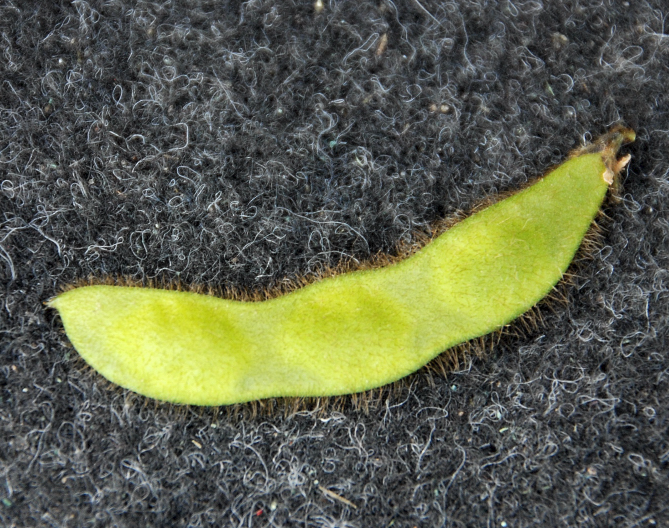
As a member of the Fabaceae family, Glycine max exhibits typical leguminous features with its bushy growth form. Plants vary significantly in size, influenced by genetic variety and environmental conditions, ranging from compact, low-growing cultivars to taller, more robust types. The leaves are trifoliate, composed of three oval leaflets, and the plant blooms with small, self-fertile flowers that can be white, pink, or purple. The resulting pods generally contain two to four oval or spherical beans, each packed with nutrients. Notably, the roots form symbiotic associations with Bradyrhizobium bacteria, enabling effective nitrogen fixation that enriches soil fertility by converting atmospheric nitrogen into more usable forms.
Chemical Composition and Structure
Soybeans are a powerhouse of nutrition, predominantly known for their high protein content, which makes up approximately 36% of the beans' dry weight. They are also a significant source of oil (approximately 20% of dry weight), rich in polyunsaturated fats, including linoleic and linolenic acids. Beyond macronutrients, soybeans are a good source of isoflavones, particularly genistein and daidzein, which mimic estrogenic activity and are researched for their possible antioxidant, anticarcinogenic, and cardioprotective properties.
How to Cultivate It
Cultivating Glycine max effectively requires attention to several agronomic practices:
- Soil: Prefers well-aerated, well-drained loamy soils with a pH range of 6.0 to 6.8.
- Light: Full sunlight is essential for optimal growth and yield.
- Water: Regular watering is crucial, especially during the critical growth phases of flowering and seed development. However, the plants are somewhat drought-tolerant once established.
- Temperature: Thrives in warm temperatures, with optimal growth occurring between 20°C to 30°C. Soybeans are sensitive to frost and require a frost-free growing season.
Uses and Benefits
The global reliance on soybeans extends beyond their dietary benefits. In the food industry, soybeans are processed into various products like tofu, soy milk, and soy sauce, which are staples in many vegetarian and vegan diets. Additionally, soybean oil is widely used in cooking and as an ingredient in industrial products like paints, plastics, and biofuels. The residual soy meal post-oil extraction is a high-protein feed for livestock, contributing significantly to the animal husbandry sector.
Applications
- Culinary: The versatility of soybeans makes them a staple in global cuisines, adapting to various culinary techniques.
- Industrial: Soybeans contribute to sustainable practices by providing bio-based alternatives to petroleum products.
- Medicinal: The health benefits of soybeans, particularly their role in reducing cholesterol levels and potentially lowering the risks of certain cancers, have led to increased interest in their dietary inclusion.
Environmental and Safety Considerations
The cultivation of Glycine max is linked to significant environmental debates, particularly concerning the expansion of soy cultivation into biodiverse regions like the Amazon rainforest. The widespread adoption of genetically modified soybeans raises concerns about biodiversity loss, pesticide resistance, and the health implications of consuming GM foods. Sustainable agricultural practices, including crop rotation, reduced pesticide use, and integrated pest management, are critical in mitigating these impacts and promoting environmental stewardship.
Studies
Soy contains several polyphenol compounds, especially isoflavones, which have positive effects on human health, but their presence in percentage varies depending on the type of soy.
Isoflavones (classified as phytoestrogens) have shown positive potential against cardiovascular disease, diabetes, cancer. osteoporosis and neurogenerative disorders. In the soybean, 12 different types were identified divided into:
- aglycones (daizein, glicitein, genistein)
- beta-glucosides (daidzin, glicitin, genistin) (1)
In 1999, the FDA recognized soy proteins with some protection against coronary heart disease and authorized the following posology: 25 grams of soy protein per day as part of a low-fat, cholesterol-low diet.
In 2017, the FDA announced its intention to review the authorization for lack of scientific data as only 19 studies confirmed the usefulness of soy in reducing coronary risk, while 27 studies did not support this positive thesis.
It's a rather controversial food.
On the one hand, some studies draw attention to isoflavones present in soy that help defend the cardiovascular system by regulating cellular and enzymatic functions in situations such as inflammation, thrombosis and atherosclerotic progression (2).
On the other hand, it is feared that it may cause damage, especially as a contributing cause for Alzheimer's disease, if ingested in the form of an industrial product. This study analyses the problem (3).
However, a certain amount of post-2017 scientific studies confirm the positive activity of soy bea on human health.
In a 20 km cycling race, a fermented soybean extract improved the performance of athletes both in terms of power and speed (4).
Patients with type 2 diabetes achieved improved blood conditions, increased brachial blood flow, improved endothelial function, increased total serum antioxidants and lipid profile. There was no significant effect on blood pressure and HDL cholesterol (5)
Soy and its isoflavones have a positive influence on mortality risks associated with cancer and cardiovascular disorders (6).

