



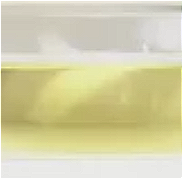
PPG-3 Caprylyl Ether is a chemical compound belonging to the polyglycol family, where a caprylyl ether is attached to three units of propylene glycol. It is primarily used as an emollient and conditioning agent in cosmetic products. Due to its ability to enhance skin feel and promote absorption, it is widely employed in creams, lotions, and hair care products. It appears as a clear, colorless or slightly yellow liquid with a neutral odor.
Chemical Composition and Structure
The general chemical formula for PPG-3 Caprylyl Ether is (C3H6O)nC8H17, where "PPG-3" indicates three propylene glycol (polyglycol) units, and "Caprylyl Ether" refers to the caprylic alkyl chain (C8H17) attached to the ether group. The molecule is hydrophobic due to the long alkyl chain but also exhibits hydrophilic properties from the polyglycol component, giving it amphiphilic behavior, useful in cosmetic formulations.
Physical Properties
It appears as slightly yellowish liquid with moderate viscosity and a relatively high boiling point. It is soluble in oils and organic solvents but not in water. This selective solubility makes it ideal for oil-in-water (O/W) emulsions and emollient formulations, where it works to improve the spreadability of the product and enhance skin feel. Its ether structure ensures stability even in the presence of other active ingredients.
Production Process
PPG-3 Caprylyl Ether is produced through an etherification reaction between caprylic alcohol and a polyglycol. The process involves the polymerization of propylene glycol (PPG) into three units, which are then reacted with caprylic alcohol (octanol) to form the ether. The final product is purified to remove any impurities and by-products, resulting in a high-purity compound for cosmetic use.
Applications
- Cosmetics: PPG-3 Caprylyl Ether is used as an emollient and conditioning agent in skin and hair care products. It is found in lotions, creams, conditioners, and serums to enhance product texture and improve absorption on the skin. It also acts as a co-emulsifier in complex formulations, stabilizing emulsions and extending the shelf life of cosmetic products.
INCI Functions:
Surfactant - Foam booster. It has the effect of introducing gas bubbles into the water and affects the cleaning process by helping to spread the cleanser. Since sebum has an inhibiting effect on the bubble, more foam is produced in the second shampoo.
Solvent. It is the substance for dissolving or dispersing surfactants, oils, dyes, flavourings, bactericidal preservatives in solution.In fact, it dissolves other components present in a cosmetic formulation. Solvents are generally liquid (aqueous and non-aqueous).
Environmental and Safety Considerations
PPG-3 Caprylyl Ether is generally regarded as safe for topical use in cosmetics. However, like all chemical substances, it should be used according to established guidelines to avoid potential skin irritations or allergic reactions, particularly for individuals with sensitive skin. It is important to ensure that it is produced and disposed of sustainably to minimize environmental impact. As a synthetic compound, its degradation in the environment is slower than that of natural ingredients, so proper disposal management is crucial.

