



Angelica Archangelica Seed Extract is derived from the seeds of the Angelica archangelica (Apiaceae) plant, commonly known as garden angelica or wild celery. This extract is rich in various nutrients and bioactive compounds that are beneficial for skin health. In cosmetic formulations, Angelica Archangelica Seed Extract is valued for its antioxidant, anti-inflammatory, and skin-conditioning properties. It helps to improve skin texture, enhance hydration, and support overall skin vitality.
Chemical Composition and Structure
Angelica Archangelica Seed Extract contains:
- Phytochemicals: Rich in flavonoids, coumarins, and other bioactive compounds that provide antioxidant and anti-inflammatory effects.
- Vitamins: Contains essential vitamins that contribute to maintaining healthy skin.
- Fatty Acids: Provides essential fatty acids that support skin barrier function and hydration.
- Minerals: Supplies essential minerals that are important for skin health.
The unique composition of Angelica Archangelica Seed Extract allows it to effectively nourish, protect, and revitalize the skin.
Physical Properties
Appearance: Typically a light brown to dark brown liquid or viscous extract.
Solubility: Soluble in water and alcohol; limited solubility in oils.
pH: Generally neutral to slightly acidic, ensuring compatibility with various cosmetic formulations.
Odor: Earthy, herbal scent characteristic of angelica seeds.
Stability: Stable under normal storage conditions; should be protected from excessive heat and light.
Production Process
Harvesting: The seeds of the Angelica archangelica plant are harvested during the appropriate season for maximum potency.
Extraction: The seeds are processed to obtain the extract, often using methods such as solvent extraction or cold pressing to retain beneficial properties.
Purification: The extract is purified to remove impurities and ensure a high-quality product.
Formulation: Purified Angelica Archangelica Seed Extract is incorporated into various cosmetic products to enhance their nourishing and conditioning properties.
Applications
Medical: Used in topical formulations for its soothing properties and ability to reduce skin irritation and inflammation.
Cosmetics: Commonly found in creams, lotions, and serums for its antioxidant and skin-conditioning benefits. It improves skin texture and promotes a healthy, vibrant appearance.
INCI Functions:
Skin conditioning agent. It is the mainstay of topical skin treatment as it has the function of restoring, increasing or improving skin tolerance to external factors, including melanocyte tolerance. The most important function of the conditioning agent is to prevent skin dehydration, but the subject is rather complex and involves emollients and humectants that can be added in the formulation.
CAS 84775-41-7
EC number 283-871-1
Environmental and Safety Considerations
Generally regarded as safe for topical application, however, like all extracts, it should be used in accordance with established guidelines to avoid potential allergic reactions or skin irritations.
People with allergies or very sensitive skin should be careful.
It is important to ensure that the extract is sustainably sourced and free from harmful chemicals.
Studies
Medical
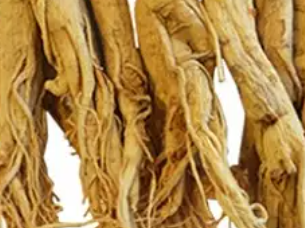
Angelica archangelica is an important medicinal plant and its fruits, flowers, stems and roots are used in traditional medical medicine to treat disorders of the respiratory tract, gastrointestinal tract and nervous system. Tannins, saponins, phenolic compounds and flavonoids are found in the root, giving the root extract antioxidant properties, and chemical compounds such as coumarin and decursinol have shown efficacy against mild cognitive decline in elderly subjects (1).
Furthermore, recent studies have also discovered antidepressant activity produced by components such as coumarin, angelicin and bergapten (2).
Angelica archangelica has demonstrated protective effects on collagen degradation in dermal fibroblasts due to UV irradiation (3).
Minerals present include, in order of quantity:
- magnesium
- potassium
- calcium
- phosphorus
Cosmetics
The root extract of this plant has shown efficacy in protecting collagen degradation in dermal fibroblasts and may be considered a promising agent for use against photo-ageing of the skin.
For more information:

