



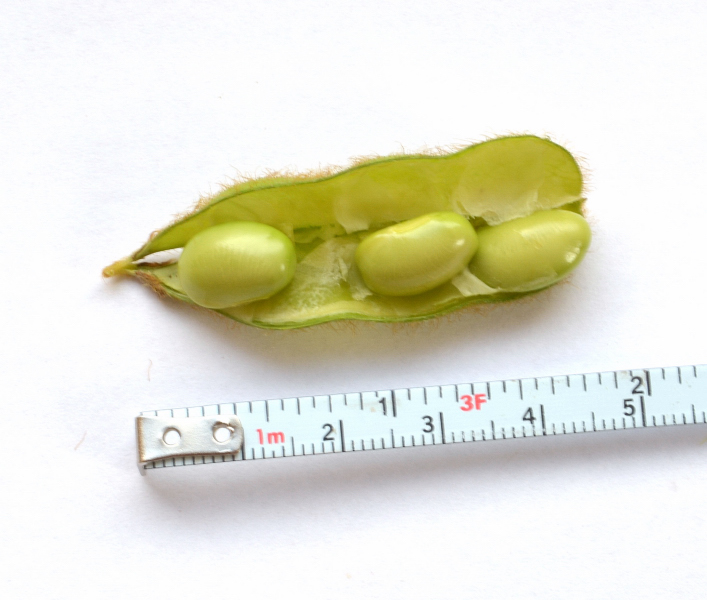
Lecithin (Soybeans) refers to a mixture of phospholipids derived from the processing of soybeans. The name "soy lecithin" provides information about the source and nature of the compound:
- "Soy" refers to the source of lecithin, which is soy. Soybeans are a type of legume native to East Asia and are widely cultivated for their edible seed, which has numerous uses.
- "lecithin" is a generic term that describes any group of yellowish-brownish fatty substances present in animal and plant tissues. Lecithins are amphiphilic, meaning that they attract both water and fat and are used to smooth food textures, dissolve powders, homogenize liquid mixtures and repel sticky materials.
Thus, soy lecithin is a complex mixture of phospholipids, glycolipids, triglycerides and other compounds, which is extracted from soybeans.
Soy lecithin is composed of
- water
- carbohydrates
- triglycerides
- phospholipids
- glycolipids
- traces of sterols
- fatty acids
- carotenoids
The synthesis process takes place in different steps:
- Soybean oil extraction. The first step is to extract the oil from soybeans. This is typically done with a solvent such as hexane. Soybeans are cleaned, cracked and then rolled into flakes. The flakes are then immersed in the solvent, which dissolves the soybean oil. The solvent is then removed, leaving the crude soybean oil behind.
- Degumming. Crude soybean oil contains a variety of impurities, including phospholipids, which make up lecithin. The oil is heated and mixed with water or steam, which causes the phospholipids to hydrate and form a gum. This rubber is then separated from the oil.
- Drying and further processing. Wet rubber contains lecithin, but also contains water and other impurities, so it is dried to remove water and can also be bleached or deodorized to remove any remaining impurities or odors. The result is a dry, dusty substance that is mainly lecithin.
- Optional modification. Depending on the desired final product, lecithin may undergo further modification. For example, it can be fractionated to separate different types of phospholipids, or it can be hydrolyzed to change its emulsifying properties.
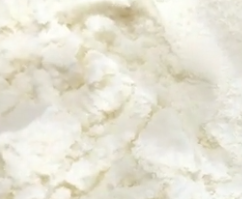
It appears in the form of a yellowish powder.
What it is used for and where
Soy lecithin is commonly used as an emulsifier in a wide range of foods and also has applications in the pharmaceutical and cosmetic industries.
Food
Soy lecithin is a food additive with the function of an emulsifying and stabilising agent, listed as E322 on the European food additives list.
Its food applications are varied: from chocolate to sweets from the bakery to generic foods.

Here is a list of the main applications:
- Instant or powdered beverages
- Soups, sauces
- Cheeses
- Meat and stuffed products
- Ground Meat Products and Fillings
Because of this wide availability, soy lecithin can be used as a substitute for rapeseed lecithin and sunflower lecithin.
Medical
Soy Lecithin has many healthy uses in the food and medical sectors.
In the food sector it is an emulsifier.
In medicine it has been found to be beneficial for human health:
- hypolipidemic
- liver function support
- control of blood levels of cholesterol and triglycerides (1)
- reduction of harmful LDL cholesterol (2)
- memory improvement (animal experiment) (3)
Cosmetics
- Antistatic agent. Static electricity build-up has a direct influence on products and causes electrostatic adsorption. The antistatic ingredient reduces static build-up and surface resistivity on the surface of the skin and hair.
- Skin conditioning agent. It is the mainstay of topical skin treatment as it has the function of restoring, increasing or improving skin tolerance to external factors, including melanocyte tolerance. The most important function of the conditioning agent is to prevent skin dehydration, but the subject is rather complex and involves emollients and humectants that can be added in the formulation.
- Skin conditioning agent - Emollient. Emollients have the characteristic of enhancing the skin barrier through a source of exogenous lipids that adhere to the skin, improving barrier properties by filling gaps in intercorneocyte clusters to improve hydration while protecting against inflammation. In practice, they have the ability to create a barrier that prevents transepidermal water loss. Emollients are described as degreasing or refreshing additives that improve the lipid content of the upper layers of the skin by preventing degreasing and drying of the skin. The problem with emollients is that many have a strong lipophilic character and are identified as occlusive ingredients; they are oily and fatty materials that remain on the skin surface and reduce transepidermal water loss. In cosmetics, emollients and moisturisers are often considered synonymous with humectants and occlusives.
- Surfactant - Emulsifying agent. Emulsions are thermodynamically unstable and are used to soothe or soften the skin and emulsify, so they need a specific, stabilising ingredient. This ingredient forms a film, lowers the surface tension and makes two immiscible liquids miscible. A very important factor affecting the stability of the emulsion is the amount of the emulsifying agent. Emulsifiers have the property of reducing the oil/water or water/oil interfacial tension, improving the stability of the emulsion and also directly influencing the stability, sensory properties and surface tension of sunscreens by modulating the filmometric performance.
 |  |
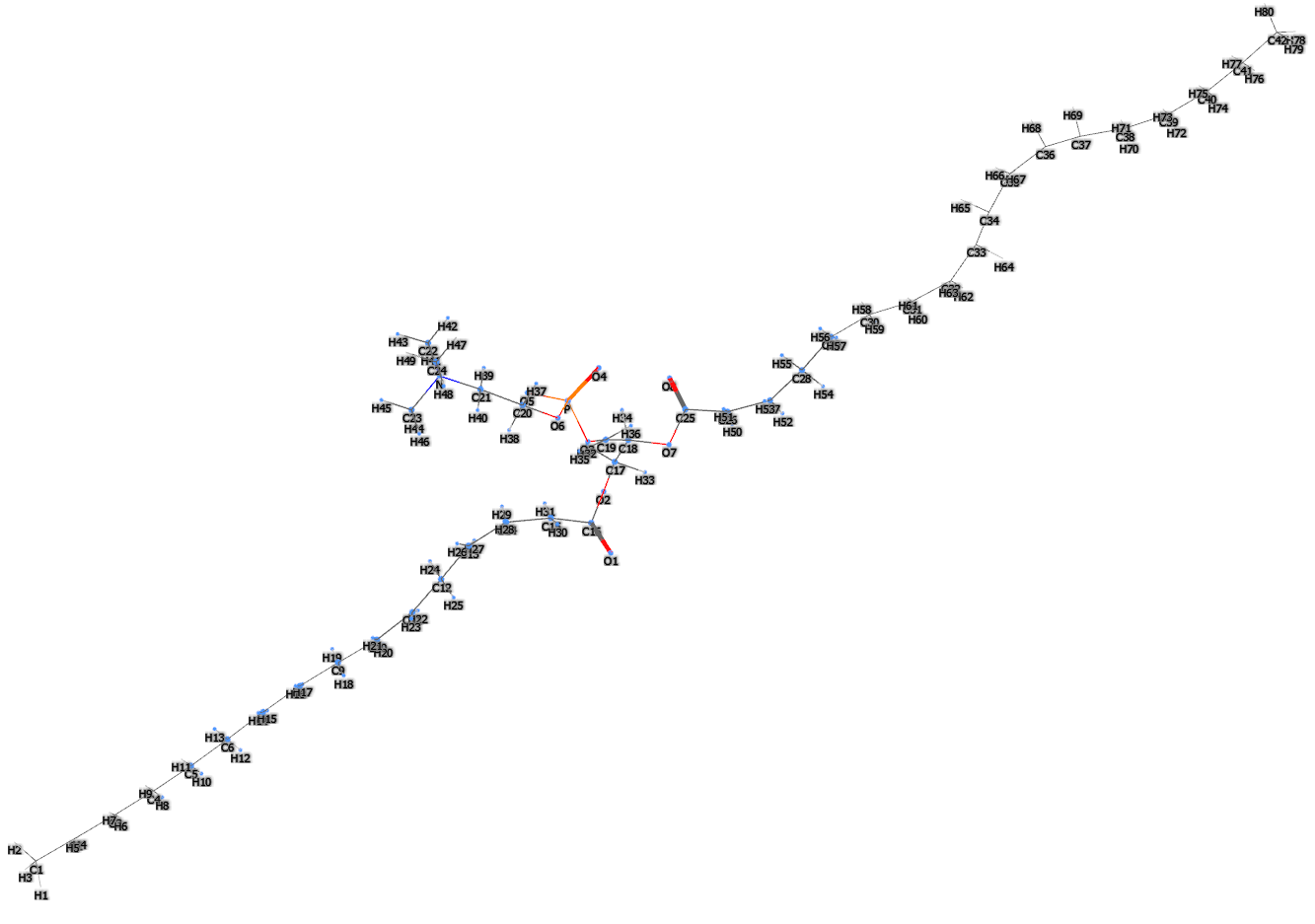 | 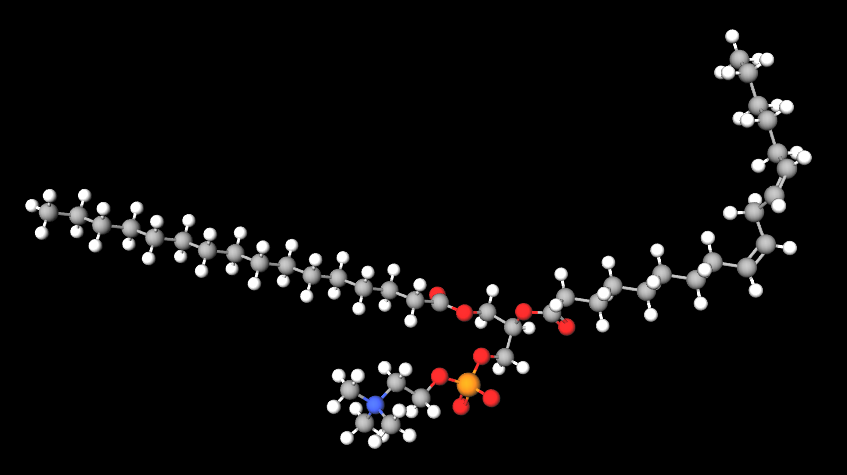 |
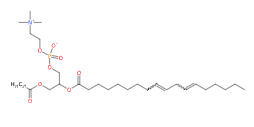
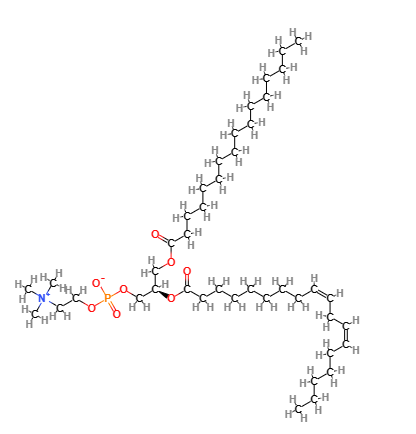
- Molecular Formula C42H80NO8P
- Molecular Weight 758.1 g/mol
- CAS 8002-43-5
- UNII 6UCA7I41S8
- EC Number 232-307-2
The most relevant studies on this ingredient have been selected with a summary of their contents:

